Top Plastic Bag For Packing Manufacturers Worldwide
Choosing the right Plastic Bag For Packing manufacturer requires more than comparing prices or glossy product catalogs. Global buyers need evidence of material quality, production consistency, and responsible sourcing. A reliable supplier should explain resin grades, film thickness, sealing performance, printing accuracy, and intended product use. Clear technical documents matter.
Packaging specialist Dr. Michael Braungart offers a useful principle: “Waste equals food.” His statement challenges manufacturers to design materials for safer recovery, reuse, or recycling. For plastic bags, this means examining mono-material structures, recycled content, production waste, and end-of-life options. It also means avoiding environmental claims that lack testing or certification.
Strong manufacturers provide samples before contracts begin. Their teams test drop resistance, puncture strength, seal integrity, and odor transfer. Food-contact applications demand additional documentation and strict process controls. Medical, industrial, and retail packaging require different specifications. One design cannot serve every market.
Supplier audits reveal practical details. Inspect the factory floor. Check batch records. Ask how rejected rolls are handled. Review quality systems such as ISO 9001, while remembering that certification alone proves little about daily performance. Traceability should reach the resin lot and production date.
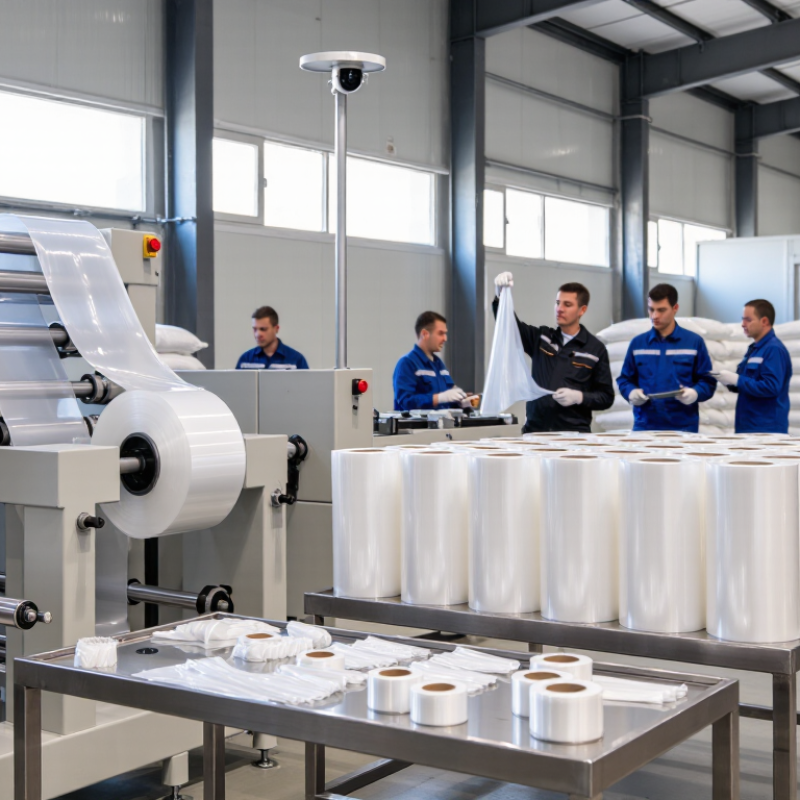
The leading Plastic Bag For Packing manufacturers worldwide often combine automated equipment with experienced technicians. They can adjust dimensions, closures, handles, and barrier layers without hiding limitations. Some suppliers still overstate recyclability. That deserves scrutiny.
No shortlist is perfect. Buyers may need to balance durability, cost, appearance, and environmental goals. A thoughtful comparison supports safer purchasing decisions and more dependable packaging performance. The best manufacturer is not always the largest. It is the one that can prove its promises.
Types of Plastic Packing Bags and Their Common Applications
Top Plastic Bag For Packing Manufacturers Worldwide
Types of Plastic Packing Bags and Their Common Applications
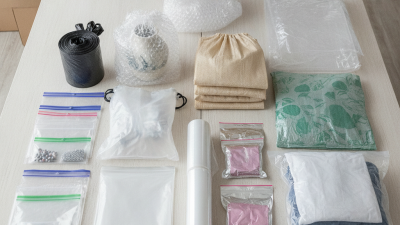
Plastic packing bags serve different jobs, and material choice matters. OECD’s Global Plastics Outlook reports that packaging generated about 40% of global plastic waste in 2019. That figure makes design responsibility practical, not decorative. Low-density polyethylene bags are soft and flexible. They suit bread, clothing, frozen food, and inner product liners. High-density polyethylene bags are stronger and more puncture-resistant. Retail carriers and produce bags commonly use them. Polypropylene bags provide clarity and stiffness. They work well for snacks, stationery, and lightweight merchandise.
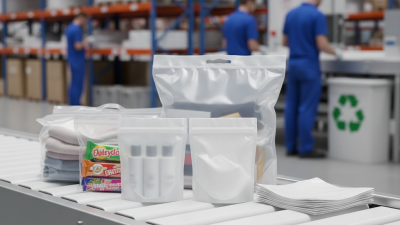
Zip bags protect small parts from dust and moisture. Vacuum bags remove air and support meat, cheese, and other perishable foods. Laminated pouches combine barrier layers with printable surfaces. They are common for coffee, pet food, and powdered products. Courier mailers add tear resistance for e-commerce shipments. Industrial woven bags handle grains, minerals, and agricultural materials. The wrong thickness creates waste or product damage. I have seen both problems in routine packing assessments.
Tips: Match bag strength to product weight, edges, and transport distance. Test seals after refrigeration, stacking, and vibration. Ask manufacturers for gauge, tensile-strength, and migration-test data. Smithers’ flexible-packaging research identifies barrier performance and lightweighting as continuing industry priorities. Still, thinner is not automatically better. A failed bag may increase returns, contamination risks, and total material use. Recyclability also depends on local collection systems, not only the bag’s resin code.
Key Materials and Manufacturing Processes Used in Plastic Bag Production
Top Plastic Bag For Packing Manufacturers Worldwide
Key Materials and Manufacturing Processes Used in Plastic Bag Production
Plastic packing bags commonly use polyethylene, including low-density polyethylene and high-density polyethylene. Low-density polyethylene feels soft and flexible. It suits produce bags, garment covers, and flexible pouches. High-density polyethylene offers greater stiffness and tear resistance. It works well for grocery and industrial packing. Recycled polyethylene can reduce virgin resin demand, but its color and strength may vary.
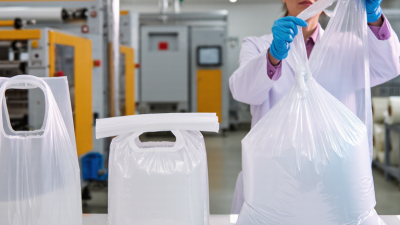
Manufacturers begin by drying and blending resin pellets with approved additives. These additives may improve slip, clarity, color, or sealing performance. In blown-film extrusion, a heated screw melts the resin and pushes it through a circular die. Air expands the film into a tall bubble. Cooling rings then stabilize its thickness. A technician checks gauge readings because uneven film can cause weak corners.
The film passes through rollers before printing, slitting, and heat sealing. Sealing temperature, pressure, and dwell time must match the material. Too much heat can distort the opening. Too little heat can create leaks. Quality teams test seal strength, drop resistance, dimensions, and odor. In practice, recycled content can complicate color matching and sealing consistency. That limitation deserves honest evaluation, especially when packing moisture-sensitive products. Small process changes matter.
How to Evaluate Plastic Bag Manufacturers Across Global Markets
Top Plastic Bag For Packing Manufacturers Worldwide
How to Evaluate Plastic Bag Manufacturers Across Global Markets
Evaluating plastic bag manufacturers requires more than comparing unit prices. Begin with material specifications, including resin type, thickness tolerance, seal strength, and recycled content documentation. Request recent samples, not only polished catalog pieces. Test them with the actual products, filling equipment, and storage conditions. A bag that performs well in a showroom may split during pallet handling.
Factory experience should be visible in production records, quality procedures, and traceability systems. Ask how operators control film thickness and inspect seals during each shift. Independent testing can verify tensile strength, drop resistance, odor, and food-contact suitability when relevant. Certifications matter, but outdated certificates prove little. Check issuing organizations, expiration dates, and the exact facility covered. Visit the plant when possible. Observe cleanliness, maintenance, material storage, and corrective-action records.
Global sourcing also depends on communication and delivery discipline. Compare minimum order quantities, sampling speed, production capacity, shipping terms, and contingency plans. A reliable manufacturer explains delays before they become expensive surprises. Confirm packaging, pallet dimensions, labeling, and export documents in writing. I have seen low quotations become costly after weak cartons caused moisture damage. No evaluation is perfect. Market conditions change, and even experienced suppliers can miss a forecast. Leave room for pilot orders, measurable acceptance standards, and honest review after the first shipment.
Quality, Safety, and Sustainability Standards for Packing Bags
Top Plastic Bag For Packing Manufacturers Worldwide
Reliable packing bags begin with consistent materials, careful sealing, and documented production controls. Experienced manufacturers test thickness, tensile strength, puncture resistance, and seal performance before shipment. A bag should protect its contents without creating unnecessary material waste. Clear specifications help buyers compare quality across different suppliers and markets.
Safety requires more than a clean appearance. Production areas should control dust, moisture, and foreign particles. Food-contact or sensitive applications need suitable material declarations and traceable batch records. Requirements differ worldwide, so buyers should verify regional packaging rules with qualified professionals. I have seen attractive bags fail during transport because weak corners were overlooked. That detail deserves more attention.
Tips:
Request recent test reports and sample bags from each manufacturer. Check seals after bending, stacking, and filling. Ask whether recycled content is verified and whether the bag can enter local recovery systems. Sustainability claims should include measurable information, not vague promises. Smaller packaging can sometimes reduce waste, but poor durability may increase damaged products. That trade-off is easy to miss. Examine actual performance, not just polished catalog language.
Leading Regions and Selection Factors for Worldwide Suppliers
Leading Regions and Selection Factors for Worldwide Suppliers
The leading regions for plastic bag packing manufacturers differ in strengths, scale, and service. East and Southeast Asia often provide broad production capacity, flexible customization, and competitive pricing. Many factories support printed bags, zipper closures, and varied thicknesses. Europe is known for structured quality systems, material traceability, and consistent technical documentation. North American suppliers may offer shorter regional delivery times and responsive communication. South Asian manufacturers can be suitable for specialized orders and growing export programs.
Supplier selection should begin with the intended product and packing environment. Ask for resin specifications, thickness tolerance, seal strength, and odor control data. A clear sample approval process matters. Request recent test reports and confirm whether production samples match shipped goods. Check monthly capacity, minimum order quantities, lead times, and contingency plans. These details reveal more than a polished catalog.
Cost deserves careful review. A low quotation may hide weaker seals, higher rejection rates, or expensive freight. In sourcing work, I have found that small differences in thickness can affect both protection and material use. Yet laboratory data alone is not enough. Inspect communication, factory cleanliness, and response speed. Some suppliers provide excellent samples but struggle during peak seasons. That risk is easy to overlook. Requirements should be written clearly, because assumptions often become costly corrections.
Top Plastic Bag Manufacturers Worldwide — Leading Regions and Supplier Selection Factors
China and other Asian markets represent the largest regional production base for plastics, making Asia a key sourcing region for plastic bag manufacturers. When selecting worldwide suppliers, buyers should also assess production capacity, compliance with food-contact and packaging regulations, recycled-content capability, minimum order quantity, lead time, quality consistency, and total landed cost.
Regional figures show rounded shares of global plastics production in 2022 and are used as an upstream manufacturing-location indicator rather than a direct measure of plastic bag capacity. Source: PlasticsEurope, “Plastics – the Fast Facts 2023.”