Top 10 Tips for Choosing the Right Plastic Bag Options?
Choosing the right plastic bag options can significantly impact your business or personal needs. With so many varieties available, it can be overwhelming. Understanding the key factors in selecting the best plastic bag is essential.
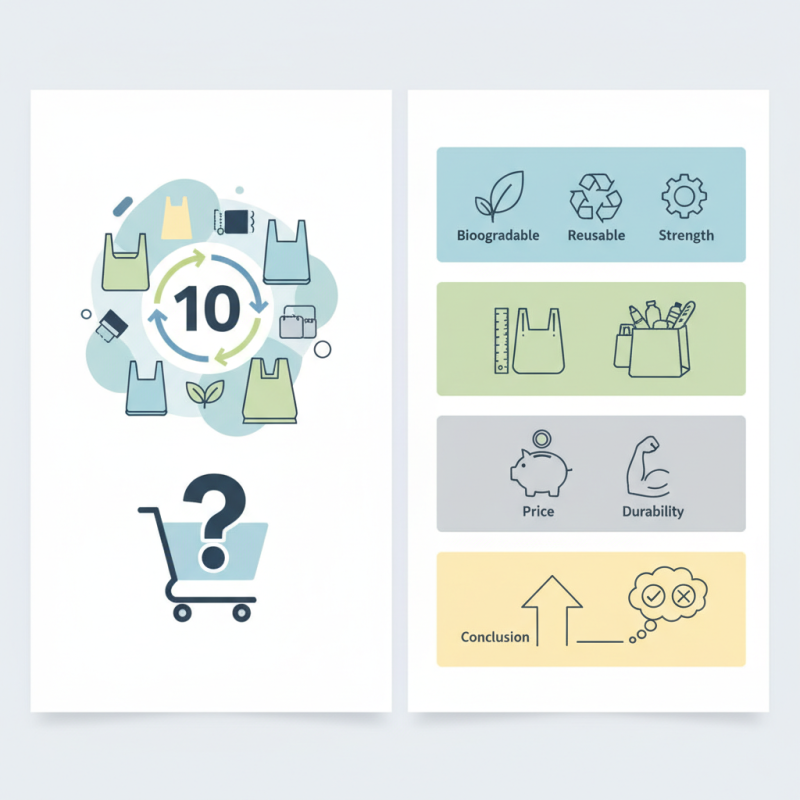
One crucial element is material. Different types of plastic bags, like biodegradable and reusable options, offer varying benefits. Not all plastic bags are created equal. The strength, thickness, and purpose of the bag will affect its performance. Additionally, the environmental impact of plastic bag plastic is a growing concern.
Another aspect is size. A suitable size ensures that items fit securely without waste. Think about the intended use; whether for groceries or industrial purposes, the right fit matters. Price and durability also play significant roles when making a decision. Reflecting on your options allows for better conclusions when selecting plastic bags. Embrace the variety but remember that not every choice will meet your expectations.
Factors to Consider When Selecting Plastic Bag Materials
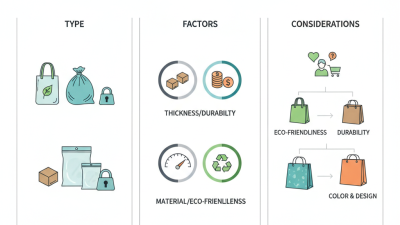
When selecting plastic bag materials, several factors must be considered. The type of plastic plays a crucial role. Common options include
polyethylene and polypropylene, each with different strengths.
Polyethylene bags are typically thicker and more durable, while polypropylene is lighter and often used for reusable bags.
Understanding the end-use of the bags helps in making a better choice.
Another factor is environmental impact. Some materials are recyclable, while others aren't.
Look for bags made with recycled content. This can reduce waste and help lower your carbon footprint.
However, not all recyclable bags are accepted in every community. Research your local recycling guidelines for clarity.
Cost is often a consideration, but it should not overshadow quality. A cheaper bag may not last as long, resulting in more waste.
Consider the long-term effects of your choice.
Finding the right balance between price and durability is key. Buyers often overlook the subtle differences in texture and finish,
which can affect both functionality and aesthetics. Make informed decisions by weighing these factors carefully.
Environmental Impact of Different Plastic Bag Options
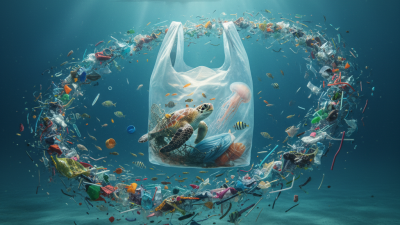
When selecting plastic bag options, it’s crucial to consider their environmental impact. A report by the Environmental Protection Agency (EPA) reveals that about 4.9% of plastic waste comes from bags. Improper disposal leads to pollution, affecting wildlife and ecosystems. For instance, sea turtles often mistake plastic bags for jellyfish. This can be fatal.
One tip is to opt for biodegradable plastics. They break down faster than traditional bags. Look for options that have been certified as compostable. Research indicates that these can decompose in about three months in a composting environment. Another consideration is the thickness of the bag. Thicker bags tend to be reused more often. This can lead to a decrease in the overall number of bags used.
Many consumers remain unaware of their choices. A survey by the Organization for Economic Cooperation and Development (OECD) showed that only 29% of people know about the recycling process for plastic bags. Education is vital. Providing clear information can help consumers make informed decisions. It’s essential to reflect on these insights when choosing plastic bags. Reducing environmental damage should be a priority for everyone.
Comparing Cost-Effectiveness of Various Plastic Bag Types
When evaluating the cost-effectiveness of various plastic bag types, it’s crucial to consider both immediate expenses and long-term impacts. Standard plastic bags are often cheaper upfront but have environmental costs. These bags are lightweight and convenient, yet they are frequently linked to pollution. This can lead to higher clean-up costs for communities.
In contrast, reusable bags might have a higher initial price. However, they can be used multiple times, making them more economical over time. Consider how often you shop. Frequent use of a sturdy reusable bag can reduce your overall spending on plastic bags significantly. Beyond cost, the choice impacts your carbon footprint and material waste.
Choosing the right option requires careful thought. Assess the purpose and quantity you need. When comparing costs, factor in durability and potential for reuse. Not all bags are created equal. Some may tear easily, leading to extra expenses. Reflect on your buying habits and environmental responsibilities. Your choices can make a difference.
Top 10 Tips for Choosing the Right Plastic Bag Options
| Bag Type |
Material |
Cost per 1000 bags |
Durability (Load Capacity) |
Biodegradability |
Best Use Case |
| High-Density Polyethylene (HDPE) |
Plastic |
$20 |
5 kg |
No |
Grocery Shopping |
| Low-Density Polyethylene (LDPE) |
Plastic |
$30 |
3 kg |
No |
Food Packaging |
| Biodegradable Plastic Bags |
Plant-Based Material |
$50 |
4 kg |
Yes |
Eco-Friendly Uses |
| Recyclable Bags |
Plastic |
$40 |
6 kg |
No |
Retail |
| Custom Printed Bags |
Plastic |
$70 |
5 kg |
No |
Brand Promotion |
| Heavy-Duty Plastic Bags |
Plastic |
$60 |
10 kg |
No |
Industrial Use |
| T-shirt Bags |
Plastic |
$25 |
4 kg |
No |
Retail Checkout |
| Zipper Bags |
Plastic |
$35 |
2 kg |
No |
Food Storage |
| Oxodegradable Bags |
Plastic |
$45 |
5 kg |
Partially |
General Use |
Regulations and Standards for Plastic Bag Safety and Quality
When selecting plastic bags, it's crucial to pay attention to safety and quality standards. Regulations set by environmental agencies guide manufacturers on what materials are acceptable. Always look for bags that meet local safety requirements. This ensures the bags do not leach harmful chemicals.
Consider the thickness of the plastic. Thicker bags usually offer better durability. Bags made from recycled materials can be a good choice, promoting sustainability. However, not all recycled plastic bags are created equally. Check for certifications that indicate they have passed safety tests.
One tip is to choose biodegradable options when possible. These bags are designed to break down in a composting environment. They offer a safer alternative to traditional plastics. Another point to reflect on is your usage. Are you buying bags for groceries, storage, or another purpose? Each use may require different qualities. Balancing functionality and sustainability is key to making informed choices.