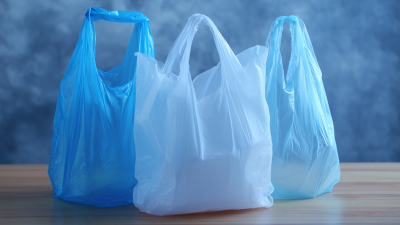
Top 10 Plastic Bags for Packing You Need to Know?
In the world of shipping and moving, the choice of a "Plastic Bag For Packing" is crucial. Expert Linda Hartman, a leading packaging consultant, emphasizes, "The right plastic bag can protect your items and save costs." This highlights the importance of selecting appropriate packaging solutions.
Today, various plastic bags serve different purposes. Some are strong and durable, while others are lightweight and budget-friendly. Choosing the right bag can be a challenge. Not all bags fit every item or situation perfectly. This can lead to damages or increased costs, which is frustrating.
Understanding the available options makes a difference. From ziplock bags to heavy-duty versions, awareness is key. Each type offers distinct benefits and drawbacks. Reflecting on these choices can lead to better packing experiences. The right "Plastic Bag For Packing" helps ensure that items arrive safely and intact, showcasing the value of informed decisions.
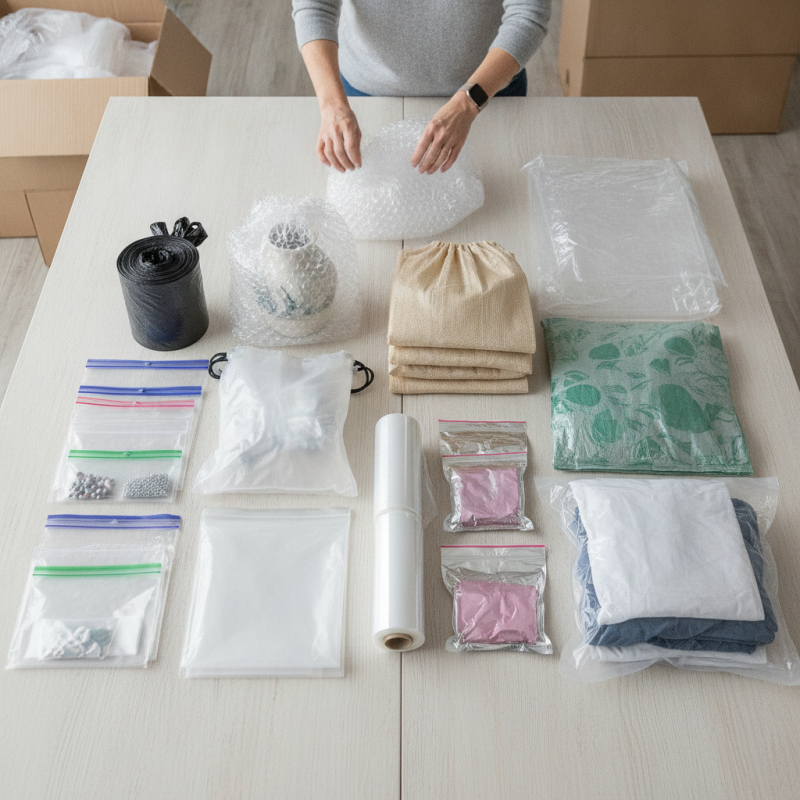
Overview of Plastic Bag Types and Their Applications in Packaging
Plastic bags play a crucial role in the packaging industry. Various types cater to diverse needs. From grocery bags to heavy-duty options, each serves specific purposes. According to a report by Smithers Pira, the global demand for plastic bags is projected to reach 4.5 million tons by 2027. This highlights their importance in daily activities.
The most common types include HDPE, LDPE, and biodegradable bags. HDPE bags are known for their strength and durability, making them ideal for groceries. LDPE bags are thinner and more flexible, often used for retail and merchandise. Biodegradable options, while gaining popularity, still face challenges in terms of decomposition rates. Research indicates that only about 30% of consumers understand the difference between these types, suggesting a gap in awareness.
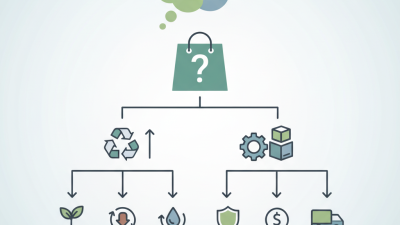
Factors influencing plastic bag choice include cost, sustainability, and application. Smaller businesses may prioritize cost over eco-friendliness. Meanwhile, larger retailers often seek sustainable solutions to appease environmentally conscious shoppers. It’s important to reflect on how these choices impact the environment and consumer habits moving forward.
Key Features and Benefits of Using Plastic Bags for Packing Needs
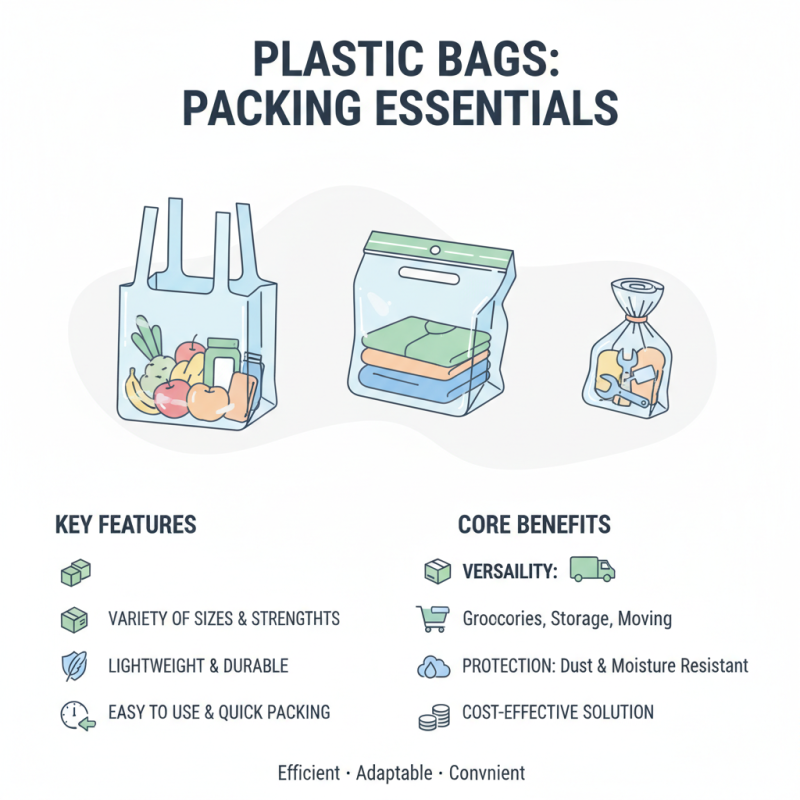
Plastic bags are essential for packing. They come in various sizes and strengths, catering to diverse needs. Lightweight and durable, they offer a convenient solution for everyday packing tasks. The most noticeable benefit is their versatility. You can use them for groceries, storage, or moving items. Many people appreciate their ease of use, making packing a swift process.
Another advantage is their cost-effectiveness. Plastic bags are usually cheaper than alternatives. They provide excellent protection against moisture, dirt, and dust. This is crucial for keeping items clean during transport. However, not all plastic bags are created equal. Some may tear easily, leading to frustration. It's important to choose bags that match your specific requirements.
Environmentally, plastic bags have a mixed reputation. They can be reused, but many end up in landfills. Reflecting on your usage can help reduce waste. Opting for recyclable options and mindful disposal is vital. In summary, understanding the features and benefits of plastic bags can guide better packing choices.
Environmental Considerations: Biodegradable vs. Conventional Plastic Bags
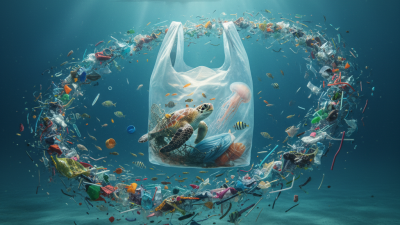
The debate between biodegradable and conventional plastic bags is critical due to their environmental impact. According to a 2021 report by the National Geographic Society, conventional plastic bags take up to 1,000 years to decompose. This long lifespan results in significant environmental degradation. Traditional plastics often end up in landfills or oceans, harming wildlife and ecosystems.
Biodegradable bags, on the other hand, offer a promising alternative. Research indicates that these bags can break down within a few months under proper conditions. However, they still require specific environments, like industrial composting, to decompose efficiently. A study from the Environmental Protection Agency highlights that only 30% of biodegradable materials are disposed of correctly.
Despite their advantages, biodegradable bags are not a perfect solution. Consumers often confuse them with compostable bags. Misunderstanding leads to increased waste. Moreover, the production of biodegradable plastics can still produce greenhouse gas emissions. While they may reduce plastic waste, the lifecycle analysis is crucial for assessing their overall impact.
Industry Standards and Regulations Governing Plastic Bag Production
Plastic bags are integral to modern packaging. However, their production is strictly governed by industry standards and regulations. These guidelines ensure safety and environmental protection. For instance, the American Society for Testing and Materials (ASTM) outlines specific criteria for bag performance, including tensile strength. A study indicated that bags must withstand a weight of up to 15 kilograms without tearing.
The regulations vary globally, reflecting differing environmental priorities. European Union directives aim to reduce plastic waste by promoting biodegradable options. Reports show that single-use plastic bags contribute significantly to pollution. In 2020, over 2 million tons of related waste was recorded in the EU alone. Such statistics highlight the urgency for manufacturers to adopt sustainable practices.
Despite these measures, the industry faces challenges. Many producers struggle to comply with evolving regulations. There are gaps in understanding the long-term impacts of plastic production. Ongoing research is essential for ensuring that the industry improves. New technologies and materials show promise in addressing these concerns. Implementing better practices is crucial for the future of packaging.
Market Trends: Consumer Preferences and Innovations in Plastic Bag Design
The plastic bag market is evolving. Recent studies reveal that consumer preferences are shifting towards sustainable options. A 2023 report found that 45% of consumers prioritize eco-friendly materials when choosing plastic bags. This trend pushes manufacturers to innovate.
Innovative designs are also gaining traction. Research from industry experts indicates that 30% of consumers favor reusable plastic bags with stylish aesthetics. These bags are often made from recycled materials, combining sustainability with modern design. However, many bags still lack durability and may not withstand heavy loads, prompting a need for further development.
Plastic bag innovations also focus on functionality. Some designs include features like integrated handle grips and resealable closures. These improvements attract a broader audience. Yet, there remain challenges in balancing production costs with quality. Many bags offered are either flimsy or too expensive for regular use. As the market continues to adapt, understanding consumer preferences is crucial for future design improvements.