Why Choose Plastic Bags for Packing Your Products?
In today's packaging industry, the choice of materials is crucial. Experts agree that plastic bags play a vital role in product packing. Sarah Thompson, a leading authority in sustainable packaging, emphasizes, "Plastic bags provide versatility and efficiency for packing products effectively."
Plastic Bag For Packing has transformed the way businesses approach logistics. They are lightweight, reducing transportation costs. Their durability protects products during transit. More importantly, they are recyclable, appealing to eco-conscious consumers. However, the debate over environmental impact often arises. While plastic bags offer benefits, we must consider responsible disposal.
As we explore the reasons for choosing plastic bags, it’s essential to acknowledge both advantages and challenges. Balancing convenience with sustainability remains a key concern. By understanding these dynamics, businesses can make informed decisions that align with their values and consumer expectations.
Benefits of Using Plastic Bags for Product Packaging
Plastic bags have become a popular choice for product packaging. They offer several advantages that make them an ideal option for various businesses. One notable benefit is their lightweight nature. This reduces shipping costs and makes handling easier. A reduction in weight also leads to lower carbon emissions during transport.
Durability is another strong point. Plastic bags can withstand tears and moisture. This quality keeps the product inside safe and in good condition.
Businesses can customize plastic bags to fit their branding needs. This flexibility means they can create eye-catching designs that attract customers. Yet, one must consider the environmental impact. While plastic is versatile, it contributes to pollution if not disposed of properly.
Many companies are exploring eco-friendly options, such as biodegradable plastics. These alternatives may not have all the properties of traditional plastic, but they show promise. Using plastic bags requires responsibility. Businesses should educate consumers about proper disposal and recycling methods. Balancing convenience with sustainability is essential in today’s world.
Factors to Consider When Choosing Plastic Bags
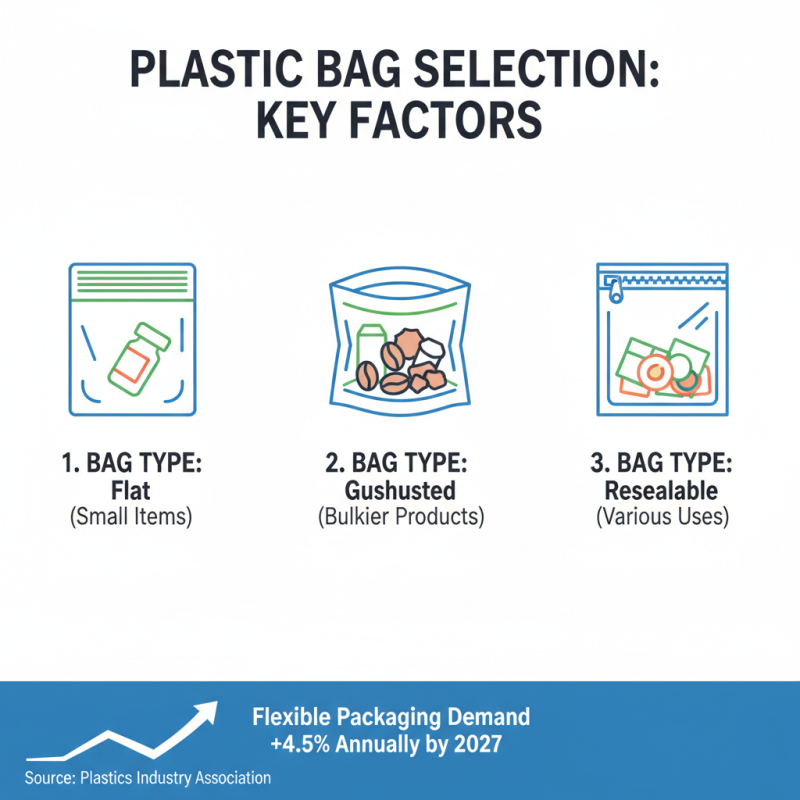
When choosing plastic bags for product packaging, several key factors play a crucial role. The type of bag is essential. There are different styles, like flat bags, gusseted bags, and resealable bags. Each serves unique functions. For instance, flat bags are ideal for small items, while gusseted bags provide expanded volume, perfect for bulkier products. A report from the Plastics Industry Association states that the demand for flexible packaging, including plastic bags, is anticipated to grow by 4.5% annually through 2027.
Another consideration is thickness and strength. Not all plastic bags are created equal. Thickness, measured in mils, directly correlates with durability. Thicker bags can handle heavier items without tearing. According to a recent survey, 70% of consumers prefer to use sturdy bags when shopping. These bags not only protect products but also enhance the unboxing experience.
Environmental impact remains a pressing issue. Biodegradable and recyclable options are gaining a foothold in the market. Research indicates that 55% of shoppers are concerned about plastic waste. Companies must weigh their choices carefully. The growing emphasis on sustainable practices is reshaping the industry. Balancing durability with environmental responsibility is essential for modern businesses.
Environmental Impact of Plastic Bags and Recycling Options
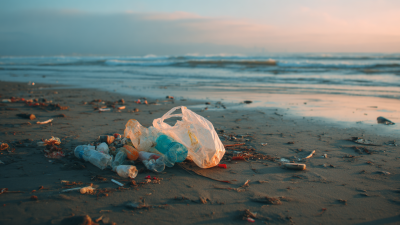
Plastic bags have long been a staple in packaging. However, their environmental impact is a growing concern. According to a report by the United Nations Environment Programme, roughly 300 million tons of plastic are produced each year. A significant portion ends up in landfills and oceans, threatening wildlife and ecosystems. Sea turtles, for instance, can mistake plastic bags for jellyfish, leading to serious health issues.
Recycling offers some hope. Yet, only about 9% of plastic waste is actually recycled globally, according to a study by the National Geographic Society. Many consumers remain unaware of proper recycling methods. The confusion over what can be recycled contributes to the problem. Some communities lack the facilities to process plastic bags, leading to more waste in the environment. Education and accessible recycling options could bridge this gap.
Finding alternatives can feel overwhelming. Some companies are exploring bio-based materials that provide a similar function with a smaller environmental footprint. However, these options often come with their own set of challenges, including cost and availability. It’s crucial for businesses to weigh these factors and consider their long-term impact, focusing on sustainable practices.
Comparative Analysis: Plastic Bags vs. Other Packaging Materials
When comparing plastic bags with other packaging materials, the discussion often centers on durability and environmental impact. A recent study showed that plastic bags can be up to 80% more efficient in protecting products during transportation than paper alternatives. This efficiency can lead to lower costs for businesses. Less material is needed, which also reduces the overall weight, translating to savings in shipping.
However, it’s important to consider the environmental implications. Plastic bags often take hundreds of years to decompose. This raises questions about sustainability and the impact on wildlife. Many organizations have called for better recycling practices to mitigate these effects. Studies indicate that about 9% of plastic waste is effectively recycled. This leaves industries striving for solutions.
On the other hand, alternatives like cardboard may seem better for the environment but have their drawbacks too. Cardboard production is energy-intensive and relies heavily on water. In fact, one report noted that producing a single ton of cardboard consumes approximately 7,500 gallons of water. This drastic consumption might outweigh the environmental benefits once fully considered. Thus, the choice between plastic and other materials requires careful thought and an understanding of trade-offs.
Comparative Analysis: Plastic Bags vs. Other Packaging Materials
Practical Tips for Effectively Using Plastic Bags in Packaging
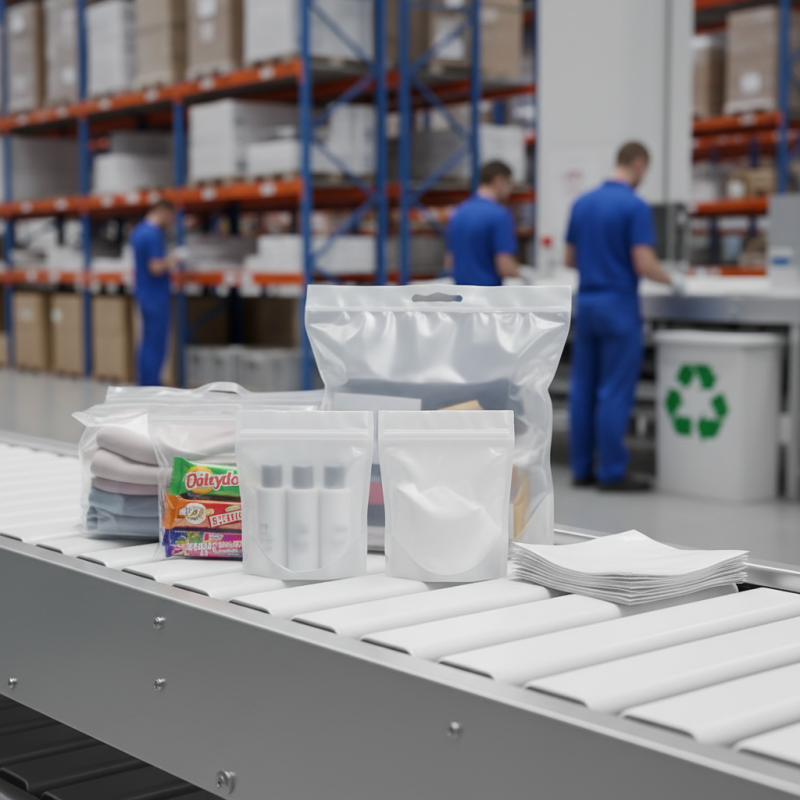
When packing your products, selecting the right materials is crucial. Plastic bags offer versatility and durability, making them an excellent choice. They protect items from moisture and dirt, enhancing the shelf life of your products. It's essential to choose the right thickness and type of plastic to match the item being packaged, as not all plastic bags provide the same level of protection.
Practical tips can help you maximize the effectiveness of plastic bags. Ensure to use appropriate sealing techniques to avoid leaks. Double-bagging fragile items can be beneficial, adding an extra layer of security. Remember that while plastic bags are effective, they can sometimes be overused. Finding a balance in your packaging strategy is important. You want to minimize waste while ensuring product safety.
Consider using eco-friendly options when available. These can provide similar benefits without the environmental impact. It's worth reflecting on your choices and understanding how they affect the planet. Sometimes, sticking to traditional materials might be the better choice. Being mindful of these details can lead to smarter packaging decisions.
Why Choose Plastic Bags for Packing Your Products? - Practical Tips for Effectively Using Plastic Bags in Packaging
| Feature |
Benefit |
Usage Tips |
| Lightweight |
Reduces shipping costs due to lower weight. |
Choose the right thickness for your product weight. |
| Waterproof |
Protects products from moisture during transport. |
Seal bags properly to prevent water intrusion. |
| Versatile Sizes |
Accommodates a wide range of product shapes and sizes. |
Select sizes based on product dimensions for a snug fit. |
| Customizable |
Allows printing for branding and instructions. |
Use clear design for visibility and brand recognition. |
| Cost-Effective |
Lower cost compared to many other packaging options. |
Buy in bulk for discounts and savings. |