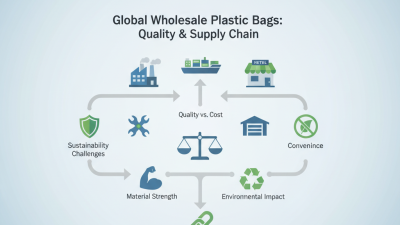
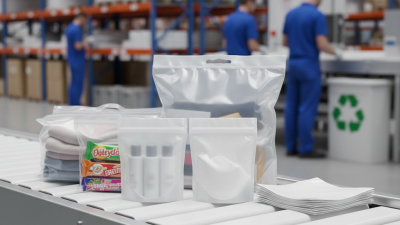
2026 Top Plastic Bag Trends You Need to Know
As we move closer to 2026, the landscape of plastic bag innovation is rapidly evolving. The term "Plastic Bag Plastic" surfaces consistently in discussions about sustainability and design. Consumers are increasingly aware of environmental impacts. This awareness pushes manufacturers to rethink their strategies.
New trends in plastic bags are not only about functionality but also about visual appeal. Brands are incorporating eco-friendly materials and eye-catching designs. Biodegradable options are gaining traction, reflecting a shift towards responsible production. Yet, challenges remain. Some consumers cling to traditional plastic, reflecting a struggle between convenience and sustainability.
The choices we make today will shape our habits tomorrow. A deeper understanding of plastic and its environmental implications is essential. As we explore the top trends for 2026, we should reflect on our role in this transition. Embracing change requires commitment and ongoing dialogue within our communities.
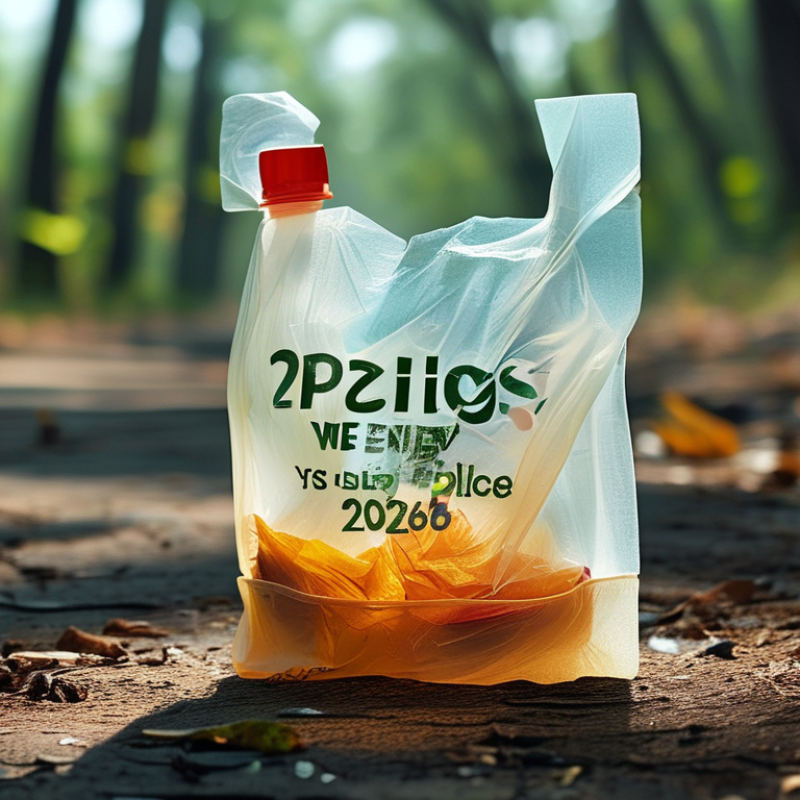
Emerging Innovations in Plastic Bag Materials for 2026
As we look forward to 2026, the landscape of plastic bag materials is undergoing remarkable changes. Innovations are emerging that prioritize sustainability without sacrificing functionality. Biodegradable plastics are leading the way, catering to eco-conscious consumers. These materials decompose more quickly than traditional plastics, significantly reducing waste in landfills. However, the challenge remains. Not all biodegradable options perform equally in various environments.
Another exciting trend is the integration of recycled materials. Manufacturers are creating plastic bags from post-consumer plastics, effectively giving new life to discarded items. This approach reduces the demand for virgin materials and lowers the carbon footprint. Yet, the limited availability of high-quality recycled inputs can hinder this progress, creating a need for better recycling systems. It’s essential for industries to collaborate and develop more efficient recycling processes to fully realize this potential.
Additionally, some brands are exploring the use of alternative plant-based materials. These innovations may offer a promising solution, but they often come with their own set of challenges. The sourcing of these materials can impact local ecosystems, raising questions about ethical supply chains. Manufacturers must reflect on these complexities as they strive for progress. Exploring these emerging innovations is a crucial step toward a sustainable future in plastic bags.
Sustainable Practices Shaping the Future of Plastic Bags
As the demand for eco-friendly solutions grows, plastic bags are undergoing significant changes. Sustainable practices are at the forefront, focusing on reducing environmental impact. Many manufacturers are exploring biodegradable materials and recycled plastics. This shift could redefine how consumers view plastic bags.
Next time you shop, consider these tips: Look for bags made from renewable resources. Opt for reusable options when possible. Educate yourself about the materials used in bags around you. Every small choice contributes to a larger change.
Innovative designs also play a role. Some bags are now multi-functional, designed for different uses beyond shopping. However, not all companies prioritize sustainability, leading to confusion for consumers. Picking the right bag requires careful consideration of the options available.
Consumer Preferences Driving the Design of Plastic Bags
The evolution of plastic bags is heavily influenced by consumer preferences. Increasingly, shoppers are concerned about sustainability. According to a recent survey, 74% of consumers prefer eco-friendly packaging options. This trend is pushing manufacturers to innovate and create more sustainable designs.
One significant shift is in the use of biodegradable materials. Traditional plastic bags are being replaced by alternatives made from plant-based substances. This change meets the demand for reduced environmental impact while maintaining functionality. However, not all biodegradable options perform well. Some still contribute to pollution if not disposed of properly.
Tip: When selecting plastic bags, look for certifications that ensure the material is truly biodegradable.
Another trend is in bag functionality. Many consumers desire bags that are durable and reusable. Statistics show that reusable bags can cut plastic waste by 85%. Nevertheless, convenience remains a priority. Some shoppers still prefer single-use bags for quick purchases, highlighting a gap between sustainability and convenience.
Tip: Consider using multi-purpose bags that can replace single-use options while being easy to carry.
2026 Top Plastic Bag Trends You Need to Know - Consumer Preferences Driving the Design of Plastic Bags
| Trend |
Description |
Consumer Preference (%) |
Sustainability Rating (1-5) |
| Biodegradable Materials |
Increasing use of materials that break down naturally. |
78% |
4 |
| Reusable Bags |
Consumer shift towards durable, multi-use plastic bags. |
85% |
5 |
| Custom Designs |
Increased demand for personalized and unique bag designs. |
70% |
3 |
| Lightweight Options |
Shifting focus to lighter plastic options to reduce plastic use. |
65% |
3 |
| Eco-Friendly Printing |
Use of non-toxic inks and sustainable printing practices. |
80% |
4 |
Regulatory Changes Impacting Plastic Bag Usage and Production
Many countries are implementing stricter regulations on plastic bag usage. These changes aim to reduce environmental impact. Governments are pushing for alternatives to single-use plastics. This trend is reshaping the plastic bag industry.
For instance, some areas have banned plastic bags completely. Others impose hefty fees for their use. These regulations force manufacturers to rethink their production processes. Innovation is essential in this shifting landscape. Companies must adapt to stay relevant. Sustainable materials are becoming more important than ever.
Despite the push for eco-friendly options, challenges remain. Many consumers still rely on plastic bags for convenience. The transition to sustainable options requires education and awareness. Not all alternatives are cost-effective or widely available. The industry must engage with consumers to facilitate this shift. There is much work to be done to balance convenience and sustainability.
Trends in Biodegradable and Compostable Plastic Bag Options
The shift towards biodegradable and compostable plastic bags is gaining momentum in 2026. Recent studies indicate that the global biodegradable plastics market is projected to reach $6.4 billion by 2025. This growing interest reflects a broader shift towards sustainability. Consumers want products that minimize environmental impact.
Current options include bags made from materials like polylactic acid (PLA) and starch blends. These materials break down under specific conditions, providing a viable alternative to traditional plastics. However, challenges remain.
Not all biodegradable bags decompose effectively in every environment. A report from the European Bioplastics association shows that awareness still lags. Many consumers lack knowledge about proper disposal methods for these bags, leading to contamination in recycling systems.
Regulatory frameworks are evolving, but they often create confusion. Countries have different guidelines for labeling and composting practices. A lack of standardization can hinder consumer trust. As companies innovate, they must prioritize clear communication.
It's essential to educate consumers about the benefits and proper use of biodegradable options. Only then can the industry move forward effectively.