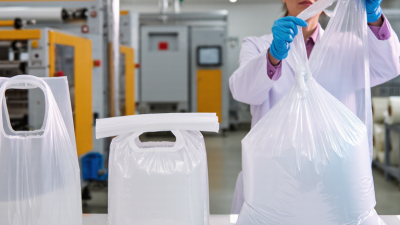
Choosing the right supplier is not just a price comparison. It is a decision about consistent quality, dependable delivery, and clear communication when specifications change. In 2026, buyers should compare bag thickness, dimensions, material options, printing quality, and order minimums using the same checklist. Ask for samples. Inspect the seals, edges, and print under ordinary warehouse lighting. Small flaws become obvious there.
Packaging educator Walter Soroka defines packaging as “the science, art, and technology of enclosing or protecting products for distribution, storage, sale, and use.” That idea offers a useful lens for choosing a supplier: the bag must suit its actual purpose, not merely look good in a product sheet. For anyone searching for a Plastic Bag Plastic Bag supplier, request written specifications and confirm how the supplier checks production quality. Ask how it handles delays, sample approvals, and repeat orders. A polished brochure is not proof. Verify the details.
A practical comparison should also cover responsiveness and documentation. Can the supplier explain material choices in plain language? Are lead times realistic? Are test results and order records available when needed? These questions help reveal whether a low quote reflects real efficiency or missing information. There is no perfect supplier for every buyer. Even a careful checklist can miss a problem that appears only after production begins. Leave room to review samples, test a small order where practical, and revise assumptions before committing to larger volumes.

Before requesting quotes, define what each bag must do. List the product’s weight, dimensions, shape, temperature range, and contact conditions. A bag holding damp produce needs different moisture resistance from one carrying dry hardware. A sharp corner can puncture thin film; a heavy load may need stronger seams or thicker material. Specify how bags will be filled, stored, transported, and opened. Small details matter.
The OECD’s Global Plastics Outlook reports that global plastic production reached 460 million tonnes in 2019, while plastic waste reached 353 million tonnes; only 9% was ultimately recycled. These figures make material choices worth examining, but they do not identify the right bag for your operation. Ask suppliers to state film structure, thickness, load-test method, and any recycled-content percentage. Request samples and test them with your actual products. A tidy sample on a desk proves little.
Think about the whole use case. Will bags face sunlight, cold storage, repeated handling, or long transit? What size reduces empty space without making packing awkward? These are easy questions to overlook. Document your acceptance criteria before comparing quotes, and record test results, even when a sample fails. It may reveal that your original specification needs work.
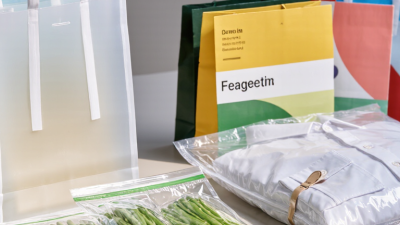
A reliable supplier should explain how bag material matches the job, not just offer the lowest price. Polyethylene is common for flexible bags, while woven polypropylene can suit heavier loads. Paper may work for dry goods when a stiffer shape matters. Ask for samples and compare thickness, seam strength, and how each material feels when filled. Test the actual product, too. A bag that looks sturdy on a desk may stretch or split under real use.
Design details affect both handling and cost. Choose between flat, gusseted, and handled styles based on the product’s shape and weight. A side gusset can help a bag stand upright, but it may add material. Check handle comfort with a loaded sample. Review print proofs for small text, color consistency, and placement near seams. Small details matter.
Manufacturing options deserve the same scrutiny. Ask whether the supplier can control dimensions, print alignment, and sealing across repeat orders. Request written specifications and a sample from the intended production method. Compare minimum quantities, lead times, and inspection steps, not just quoted prices. I would not assume a sample guarantees every batch will match; ask how variations are checked. That question is easy to miss.
Choosing a plastic bag supplier in 2026 starts with records, not polished samples. Ask how long they have made your specific bag type and which facility will produce it. Request references for similar thickness, seal style, and printing. Broad experience may not match your application. Check the evidence.
Verify each certificate’s issuer, scope, site, expiry date, and audit status. ISO 9001 covers a quality management system; it does not certify every bag’s safety. For food-contact packaging, request material declarations and test results relevant to your intended use. Confirm requirements for each sales market with a qualified compliance professional. A certificate may cover another facility. Easy to miss.
Environmental claims need equal scrutiny. The OECD’s Global Plastics Outlook (2022) estimates that 353 million tonnes of plastic waste were generated in 2019, and only 9% was ultimately recycled. Ask suppliers to document recycled-content percentages and traceability. Not just a brochure. The European Commission states that Regulation (EU) 2025/40 generally applies from 12 August 2026. Buyers serving the EU should check documentation and transition timelines with compliance specialists. Review audit findings and corrective-action dates, then inspect test logs and rejected-bag records if possible. A tidy file is not proof of consistent production; note what remains unverified before signing.
How to Choose the Right Plastic Bag Supplier in 2026
Compare quotes using the same bag dimensions, material thickness, printing, and packaging. A low unit price can hide setup fees or expensive freight. Ask for a written breakdown, including sample costs and price breaks at different quantities. Small orders matter. If your forecast is uncertain, a slightly higher price may be safer than cartons sitting unused in a warehouse.
Check the minimum order quantity against actual monthly use and available storage. Then compare. Ask whether the quoted lead time starts after approval of the artwork, payment, or a production slot. These details can shift a delivery date by days or weeks. Request a sample schedule with production, quality checks, and dispatch listed separately. A spreadsheet can still miss a busy season or a delayed approval.
Logistics affect the real cost. Confirm carton counts, weights, pallet dimensions, delivery location, and who arranges transport. Ask for tracking details and a process for reporting damaged or short shipments. If bags are needed for a launch or replenishment cycle, discuss a realistic buffer rather than relying on the earliest estimate. Get key terms in writing, and review them before placing the order. One awkward detail: the supplier with the fastest quote may not have the most dependable delivery plan.
| Evaluation Area | Useful Benchmark | What to Compare | Questions to Ask | Potential Warning Sign |
|---|---|---|---|---|
| Pricing and total cost | Compare quotations for the same bag dimensions, resin type, thickness, print, and packing. Evaluate landed cost per 1,000 bags, not unit price alone. | Bag price, printing or plate charges, samples, packaging, freight, duties, and any order or payment fees. | Is the quoted thickness stated in microns? Are freight and setup charges included? How long is the quotation valid? | A low unit price with unclear specifications, excluded charges, or no written quote validity. |
| Minimum order quantity (MOQ) | Stock bags may be available by case. Custom-printed orders commonly require thousands of bags; a planning range of about 5,000–50,000+ units is often encountered, depending on size and print setup. | MOQ by size, thickness, color, print design, and material; whether different sizes can be combined in one order. | Does the MOQ apply per design or to the total order? Can you order a pilot quantity before a repeat run? | The minimum is quoted without explaining whether it is per size, design, or production batch. |
| Lead time | For custom production, allow several weeks after specifications and artwork are approved. Sampling, production queues, and print setup can extend the schedule. | Sample approval, production time, inspection, dispatch date, and transit time as separate milestones. | When does the production clock start? What is the expected dispatch date, and how are delays communicated? | A guaranteed delivery date is offered without confirming artwork approval, capacity, or shipping method. |
| Shipping and logistics | Ocean freight generally takes longer than air freight and may involve additional port, customs, and inland-delivery time. Build route-specific transit and clearance buffers into the plan. | Shipping term, freight mode, carton count, gross weight, shipment tracking, customs responsibility, and delivery address. | Who arranges export documents and customs clearance? Can you provide carton dimensions and shipment weights before booking? | The quote says “shipping included” but does not identify the delivery term or charges that remain payable. |
| Product quality and consistency | Approve a production sample and document measurable specifications, including dimensions, thickness, material, seal type, and print requirements. | Tolerance for dimensions and thickness, seal strength, print alignment, defect limits, inspection method, and batch traceability. | Can you provide a specification sheet, pre-production sample, and inspection results for each production lot? | No agreed specifications, sample approval process, or documented procedure for handling defects. |
| Materials and compliance | Requirements depend on the bag’s use and destination market. Food-contact applications and environmental claims may require specific documentation or testing. | Resin type, recycled-content claims, applicable market rules, and supporting declarations or test reports. | Which rules apply to the intended use and destination? Can claims about recycled content or recyclability be substantiated? | Compliance or sustainability claims are made without identifying the applicable standard or supporting evidence. |
| Payment and repeat orders | Agree on payment milestones, ownership of approved artwork or print tooling, and how specifications and pricing will be handled for repeat orders. | Deposit and balance terms, cancellation terms, reorder process, price-adjustment conditions, and retention of approved samples. | What changes can affect the reorder price or schedule? How are artwork files and approved specifications stored? | Payment terms, cancellation conditions, or repeat-order pricing are left undocumented. |
A sample bag is only a starting point. Ask for a written specification covering film thickness, dimensions, seal strength, and acceptable tolerances. Then check a production batch, not just a handpicked sample. Measure thickness with a micrometer and inspect seals for wrinkles, gaps, or weak corners. Samples can mislead. Request test results tied to batch numbers, plus a clear process for handling defects. The Flexible Packaging Association’s 2023 State of the Flexible Packaging Industry report valued U.S. flexible packaging shipments at $42.9 billion in 2022. At that scale, small quality variations can affect many orders.
A long-term supplier should explain how it controls changes in resin, printing, and production equipment. Ask how it records lot numbers and notifies customers before changing materials or specifications. If recycled content is part of the order, request traceable documentation. The OECD’s Global Plastics Outlook reports that just 9% of plastic waste was recycled globally in 2019. That makes clear records important; a sustainability claim without evidence is not enough. Keep a fallback. A small inconsistency may seem easy to excuse during sampling, but costly across a full production run.
Before committing, review recent quality records, delivery performance, and corrective-action examples. A useful supplier can show how it investigated a failed seal and prevented a repeat, rather than offering assurances alone. Start with a trial order and compare its measured results against the agreed specification. No process is perfect. What matters is whether problems are documented, discussed plainly, and fixed consistently.