Leave Your Message

Who Is the Best Plastic Bag Manufacturer in China?

“Who is the best plastic bag manufacturer in China?” The honest answer depends on what your business needs. A dependable supplier for retail checkout bags may not be the right fit for food packaging, garment bags, or custom printed orders. There is no universal winner.

Polymer scientist Chris DeArmitt has argued that plastic itself is not the problem; how it is designed and managed matters. That distinction is useful when comparing manufacturers. Look beyond a polished catalog. Ask for sample bags, production specifications, and test records. Check whether thickness stays consistent, handles feel secure, and seals remain intact when the bag is filled. Inspect printed samples under ordinary light, too; fine lettering can blur, and colors may shift between batches.

Small details count. A clear quotation should state material, dimensions, thickness, printing, order quantity, and delivery terms. Ask how rejected batches are handled. Then check whether the supplier can explain its quality checks plainly, rather than relying on broad claims. Certifications can help, but verify their scope and validity with the issuing organization.

The best choice is usually the manufacturer that matches your product, communicates clearly, and can demonstrate consistent results. Price still matters. So does trust. A sample is useful, but one good sample cannot guarantee every production run. Compare more than one supplier, document your requirements, and leave room for a little healthy doubt.
Who Is the Best Plastic Bag Manufacturer in China?

Define What a Plastic Bag Manufacturer in China Actually Produces

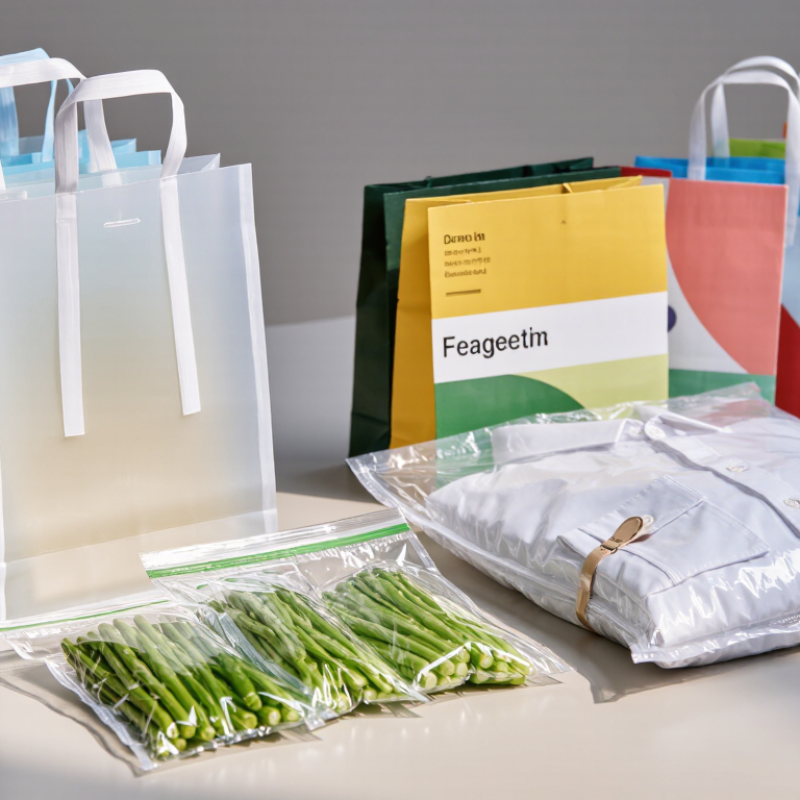
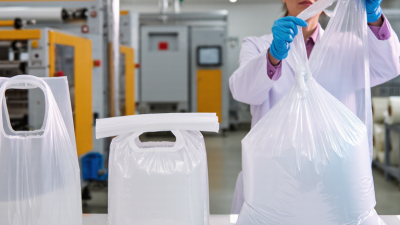
A plastic bag manufacturer in China does more than print a logo on a finished pouch. It converts selected plastic films into bags designed for particular products, loads, and handling conditions. Common products include T-shirt carrier bags, flat bags, drawstring sacks, zipper pouches, and mailer bags. Some factories make packaging rolls or liners instead of ready-to-use bags. The distinction matters. A buyer asking for “plastic bags” may mean very different products. Materials can include polyethylene grades such as HDPE and LDPE, with thickness, clarity, and flexibility adjusted to the intended use. Start with the job the bag must do, not just its appearance.

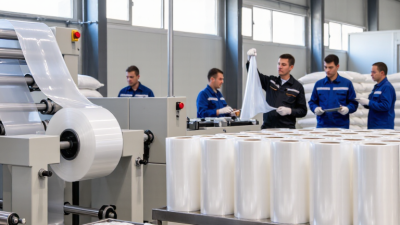
Production may involve film extrusion or converting purchased film, followed by cutting, sealing, handle punching, and optional printing. A factory might measure film thickness with a gauge and pull a sample seam to check its strength. It may also compare print color with an approved proof. These checks help, but they cannot guarantee identical results in every batch. Machine settings and raw-material variation can affect consistency. Ask which processes happen in-house, what tolerances are recorded, and whether you can review a pre-production sample. A product photo is not a specification. Confirm dimensions, load expectations, material, printing, and packing method before comparing quotations. Finished-bag weight is easy to overlook, even when thickness is clearly stated.
Compare PE, PP, and Compostable Bags by Material and Application

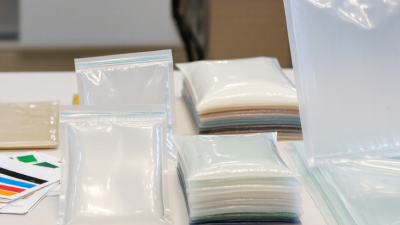
The best plastic bag manufacturer in China is not simply the one offering the lowest price. Material choice should match the bag’s job. PE is flexible, moisture-resistant, and suited to grocery bags, produce bags, and liners. PP is stiffer and holds its shape well; woven PP bags can handle heavier loads and repeated use. Ask suppliers for material specifications and load-test results, not just sample bags.

Compostable bags can suit food-scrap collection where suitable composting facilities accept them. Their performance depends on the blend and disposal conditions, so “compostable” does not mean they break down in every environment. European Bioplastics’ 2023 market update estimated global bioplastics production capacity at about 2.18 million tonnes, still modest beside conventional plastics. OECD’s Global Plastics Outlook reported that packaging generated about 40% of plastic waste in 2019. The figures underline why application and end-of-life planning matter. Small details count.

Tips: Test a filled bag for leaks, handle strength, and storage life. Request third-party test reports, and check that compostability claims match the intended disposal route. I would not choose by price alone; that shortcut can cost more later.

Industry Context: China Produced 74.885 Mt of Plastic Products in 2023 (NBS)

China’s plastic-products industry operates at enormous scale. The National Bureau of Statistics (NBS) reported 74.885 million tonnes of plastic products in 2023. This figure covers many product categories, not plastic bags alone. The number is impressive, but easy to misread. It does not prove that every factory has the same expertise or quality controls.

For buyers asking who is the best plastic bag manufacturer in China, the answer depends on the product and order requirements. Compare verified production capacity, material traceability, thickness consistency, seal strength, print quality, and inspection records. Request samples from several production runs, not only one carefully prepared sample. Check that test reports match the intended bag type and destination market. Ask how the factory manages defects and keeps batch quality consistent. A polished presentation helps, but it is not proof. A production trial can reveal problems that paperwork misses.

Tips: Send each candidate the same written specification. Include dimensions, thickness tolerance, load target, printing needs, and order volume. Compare samples against the same criteria.

Check Suppliers Against GB/T 21661-2020 and Export-Market Requirements

A reliable plastic bag supplier should provide more than a polished sample. Ask for test reports that identify the product, material, thickness, test method, and date. Then compare the specifications with GB/T 21661-2020, China’s standard for plastic shopping bags. Check whether the report covers the exact bag you plan to order; a similar sample is not enough.

Small details matter. Request records for production batches, too, and confirm how the factory controls thickness and sealing. A document alone cannot prove consistent output.

Export checks depend on the destination and intended use. Confirm applicable requirements for labeling, packaging, restricted substances, recycled content, and producer-responsibility obligations before shipment. Get the buyer, supplier, and an independent testing laboratory to agree on the test plan in writing.

The OECD’s Global Plastics Outlook (2022) estimated that 353 million tonnes of plastic waste were generated worldwide in 2019, with only 9% recycled. That figure makes material claims worth checking, not merely repeating. Ask for traceable evidence, such as material declarations and relevant test results.

One practical caution: requirements and customer specifications can change, so even a recent report may need review. I would not treat a certificate as a guarantee.

Rank Manufacturers by Quality Control, Capacity, Certifications, and Delivery

A useful ranking of plastic bag manufacturers in China should begin with quality control, not a polished factory tour. Ask for recent batch records showing film thickness, seal strength, and defect rates. A sample that looks smooth may still split at the side seam. Numbers need proof. Check whether inspection happens during production, not only before shipment.

Capacity deserves a close look, but machine counts can mislead. Confirm monthly output for the bag type and size you need, then compare it with recent production records. Capacity is not output. A small trial order can reveal whether the factory handles color matching, printing alignment, and packing details consistently. I would not treat any score as universal; order size and product specifications change what matters most.

Certifications should match the product and the intended market. Review the issuing body, validity dates, and scope rather than relying on a certificate image alone. For delivery, compare quoted lead times with shipment records, including peak-season orders. Ask how delays are communicated and whether backup production is available. A practical scorecard might weight quality control at 35%, capacity at 25%, certifications at 20%, and delivery performance at 20%. These weights are imperfect, but they make comparisons more transparent. Small batches reveal much.

Who Is the Best Plastic Bag Manufacturer in China?

This chart is a neutral starting framework, not a ranking of manufacturers. Each criterion has an equal 25% weight because no verified, comparable supplier data was provided. Assess manufacturers using documented quality records, confirmed production capacity, valid certifications, and delivery performance.