Leave Your Message

Why Choose Polystyrene Bags for Packaging?

Packaging choices affect product protection, shipping costs, and the condition of goods on arrival. A Polystyrene Bag may suit applications that need lightweight handling and a layer between an item and its surroundings. The exact performance depends on its material, thickness, closure, and intended use. Check the specification, not just the product name.

For example, a supplier’s sample might hold small components apart during storage, while a thin bag may offer little cushioning against a hard drop. Polystyrene packaging can help protect against scuffs and some moisture exposure, but it should not be treated as a universal barrier. Heat, sharp edges, and compression can change how well it performs. Details matter.

The term itself can also vary between suppliers, so confirm whether the product is rigid, flexible, or foam-based before comparing options. Ask for dimensions, material details, and handling guidance. If possible, test a sample with the actual item and packing process. That is practical. Yet one trial cannot represent every shipment, and packaging performance may vary with transport conditions. Buyers should also consider disposal routes and local recycling availability, since these depend on the material and collection system. This guide explains where polystyrene bags may be useful, what limitations to check, and how to assess whether they fit a specific packaging need.
Why Choose Polystyrene Bags for Packaging?

What Are Polystyrene Packaging Bags? Distinguish PS Film from EPS Foam

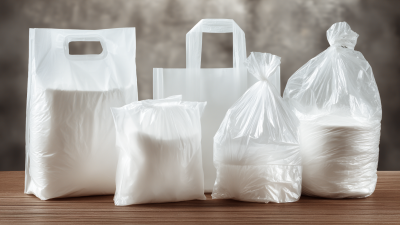
Polystyrene packaging bags usually refer to flexible bags made from polystyrene (PS) film. The film is thin, smooth, and often transparent, so the contents remain visible. It can suit lightweight items that need a simple barrier from dust or handling. PS film feels firmer and less stretchy than many flexible plastics. A sharp corner may puncture it, so the bag’s thickness and seal quality matter. That distinction matters.

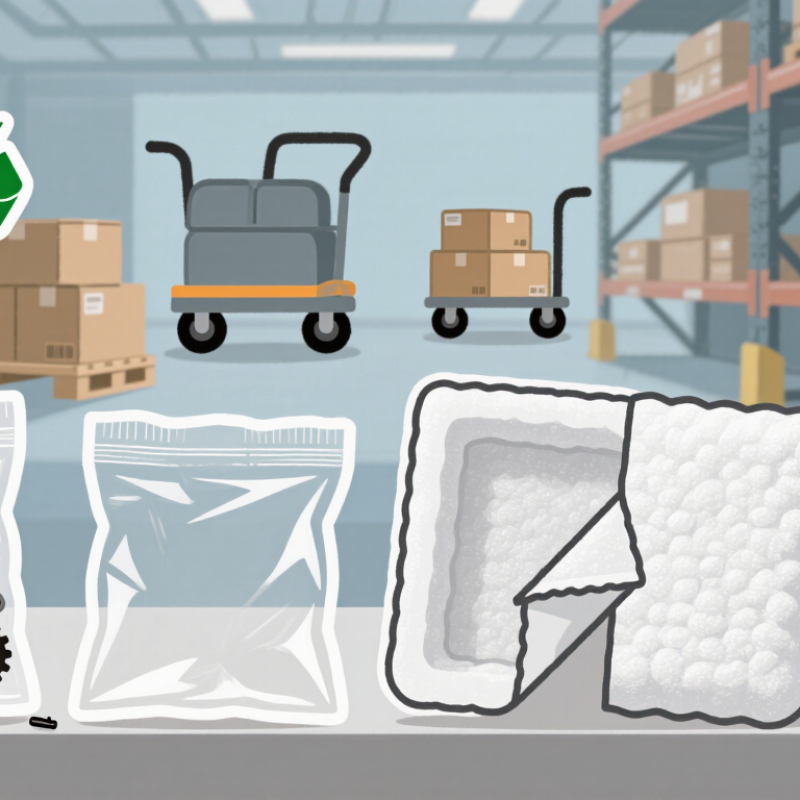
Expanded polystyrene (EPS) is different. It is a lightweight foam made of expanded beads, commonly shaped into blocks, trays, or protective inserts. EPS is not the same as a flexible PS film bag, even though both materials contain polystyrene. For example, a clear sleeve around a small component may be PS film; a white foam insert cushioning it is EPS. When comparing packaging, check the material description, sample feel, and intended use rather than relying on the word “polystyrene” alone. I would also avoid assuming that a bag is suitable for cushioning just because it feels protective in the hand. Film and foam behave differently under pressure, and product specifications can be unclear. A small sample test can reveal more than the name on a product listing.
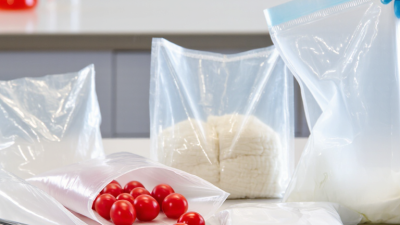
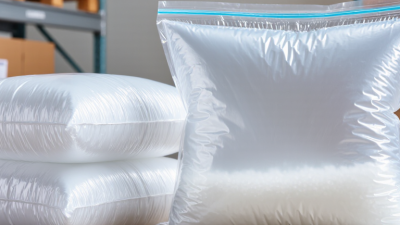
How Does EPS Cushion Goods? Its Foam Structure Is About 98% Air

Expanded polystyrene (EPS) packaging is often described as about 98 percent air, held in a network of small foam cells. That structure makes EPS cushioning light without leaving it empty of purpose. When a parcel is bumped, the cells compress and spread some of the impact across a wider area. A ceramic mug may still shift, but a snug foam layer can reduce the force of small knocks reaching its surface.

Fit matters. A bag that is too loose lets an item gather momentum; one that is too tight may press directly against fragile edges. For glassware or small electronics, check that the foam supports corners and leaves no hard contact points. Not magic. EPS can dent, crack, or lose protective shape after repeated compression, so damaged cushioning deserves a closer look. The “98 percent air” figure explains its low weight, not a guarantee that every shipment will arrive intact. Test the packed item with realistic handling, and adjust the foam thickness when the contents are unusually heavy or delicate.

How EPS Foam Cushions Goods

Expanded polystyrene (EPS) is typically about 98% air by volume. Its lightweight cellular structure helps absorb and distribute impact during packaging and transport.

Approximate volume composition of EPS foam. Actual composition can vary by product.

Which Insulation Specs Matter? EPS Conductivity Is Typically 0.033–0.040 W/m·K

Why Choose Polystyrene Bags for Packaging?

For temperature-sensitive shipments, insulation performance depends on more than how thick the packaging looks. Expanded polystyrene, or EPS, typically has a thermal conductivity of 0.033–0.040 W/m·K. Lower conductivity generally means less heat passes through the material under comparable conditions. The difference within this range is modest, so check the actual product specification rather than relying on a generic EPS figure.

Thickness matters. A thicker EPS wall usually slows heat transfer, but it also adds size and shipping weight. Fit matters too. A loose lid or a corner gap can become a path for warm air. Small gaps count. When comparing specifications, look for the test method and temperature conditions; conductivity values are not always directly comparable when testing differs.

Consider the full package, not just the foam. A snug liner, suitable outer carton, and well-fitted closure can help reduce heat exchange during handling. For a real shipment, test the complete pack with the intended contents and route, especially if exposure times vary. One caveat is easy to miss: a low conductivity number alone cannot promise a specific holding time. That depends on the starting temperature, pack design, and surrounding conditions. More testing may be needed than expected.

Where Do Polystyrene Packages Fit? Match the Material Grade to the Product

Polystyrene packaging works best when its grade matches the product’s shape, weight, and handling risks. General-purpose polystyrene is rigid and can be clear, but it is relatively brittle. It suits lightweight display inserts or small components better than flexible bags that are repeatedly folded. High-impact polystyrene is tougher and can suit trays or protective liners, though it is still a rigid packaging material. Not every product fits.

Expanded polystyrene (EPS) is a different choice. Its cellular structure cushions impacts and helps slow heat transfer, making it useful for fragile items and temperature-sensitive shipments. The OECD’s 2022 Global Plastics Outlook estimates that packaging accounted for about 40% of plastic waste in 2019. That is a reason to assess the full package, including how much material is used and whether local collection systems accept it. A snug EPS insert can protect a ceramic part, but oversized foam wastes space.

For a practical grade check, test the packed product after drops, vibration, and storage in warm conditions. Look for cracked corners, compressed foam, or parts shifting inside the package. A clear polystyrene bag may look neat on a shelf, yet seam strength and puncture resistance can disappoint in transit. The uncomfortable point: a material can protect well and still be the wrong choice if recovery options are limited.

What Limits Their Use? Check Local Recycling Access and Packaging Requirements

Polystyrene packaging can be lightweight and help cushion fragile items, but its usefulness depends on what happens after delivery. Recycling access varies by location. Some areas accept certain polystyrene items only at designated drop-off sites, while curbside programs may reject them. Check your local waste authority’s current guidance before choosing a bag. “Recyclable” on a product does not guarantee a nearby collection option. That matters.

Packaging requirements also deserve a close look. Ask your carrier, retailer, or receiving facility whether the material, size, and sealing method meet their specifications. A bag that splits at the seam or fails to protect its contents creates waste, even if it uses little material. Keep packaging clean and dry where recycling programs require it, and separate labels or mixed components when instructed. Details differ. When requirements are unclear, confirm them directly rather than relying on a general recycling symbol. I’ve found this step easy to skip when comparing prices, but it can change the practical cost of a packaging choice. Local guidance may also change, so review it again before placing a large order.

Why Choose Polystyrene Bags for Packaging? — What Limits Their Use? Check Local Recycling Access and Packaging Requirements

A practical comparison of common polystyrene packaging formats, their useful properties, and the factors to check before use. Collection and regulatory rules vary by location.

Packaging Dimension Potential Benefit Practical Limitation What to Check
Material and format Polystyrene can be made into rigid foam, such as expanded polystyrene (EPS), or into rigid and thin-walled forms. These formats can provide cushioning or light protective packaging. “Polystyrene bag” is not a precise description of one standard packaging type. Flexible bags may use other plastics, so the material should be identified rather than assumed. Check the packaging specification or resin identification information. Confirm whether it is EPS foam, rigid polystyrene, or another material.
Weight and shipping Foamed polystyrene is lightweight, which can help reduce the weight of a packaged shipment. Foam can take up substantial space relative to its weight and may break into loose pieces if crushed or handled roughly. Compare total package size, protection needs, and shipping requirements with alternatives.
Cushioning and protection EPS foam can cushion products from impacts when the packaging is properly designed and fitted to the item. Protection depends on foam density, shape, thickness, and fit. Thin or poorly fitted packaging may not protect fragile goods adequately. Use product-specific testing or handling trials to verify that the package meets the required protection level.
Moisture resistance Polystyrene foam generally resists water absorption better than many paper-based cushioning materials. Moisture resistance does not make every package waterproof. Seams, closures, contamination, or other package components may still allow water or moisture through. Check the complete package design and any required moisture-barrier performance.
Temperature and food use Some polystyrene packaging is used for food service or temperature-sensitive products, depending on its design and intended use. Suitability depends on the specific material, food type, temperature, and conditions of use. Not every polystyrene package is suitable for hot, oily, or microwave use. Use only packaging documented as suitable for the intended food-contact conditions and follow applicable local requirements.
Recycling access Some communities or specialist facilities accept clean polystyrene packaging for recycling. EPS foam is not accepted in many curbside recycling programs. Acceptance may be limited to designated drop-off locations or commercial collection services. Check the local waste authority or recycling provider for the exact item, condition, preparation rules, and collection location before relying on recycling.
Preparation for collection Where a program accepts polystyrene, keeping it clean and dry may help it meet collection requirements. Food residue, labels, tape, mixed materials, and small broken pieces may be excluded by a particular program. Follow the local provider’s instructions; do not assume that a recycling symbol guarantees local acceptance.
Packaging regulations Polystyrene may be usable where it meets the relevant product, safety, and packaging rules. Restrictions on certain polystyrene food-service or packaging products differ across jurisdictions and can change over time. Check current national, regional, and local rules for the product type, use, labeling, and destination market.
End-of-life planning Choosing a package with a verified local collection route can make disposal instructions clearer for customers. If no suitable collection route exists, the package may be disposed of as general waste under local rules. Confirm recycling or disposal access before selecting the material, and provide disposal guidance that matches local services.

Important: Recycling availability, accepted materials, food-contact conditions, and packaging restrictions vary by location and program. Verify current requirements with local authorities and relevant packaging suppliers before making a decision.