Leave Your Message

Why Choose Polystyrene Bags for Global Packaging?

Why Choose Polystyrene Bags for Global Packaging?

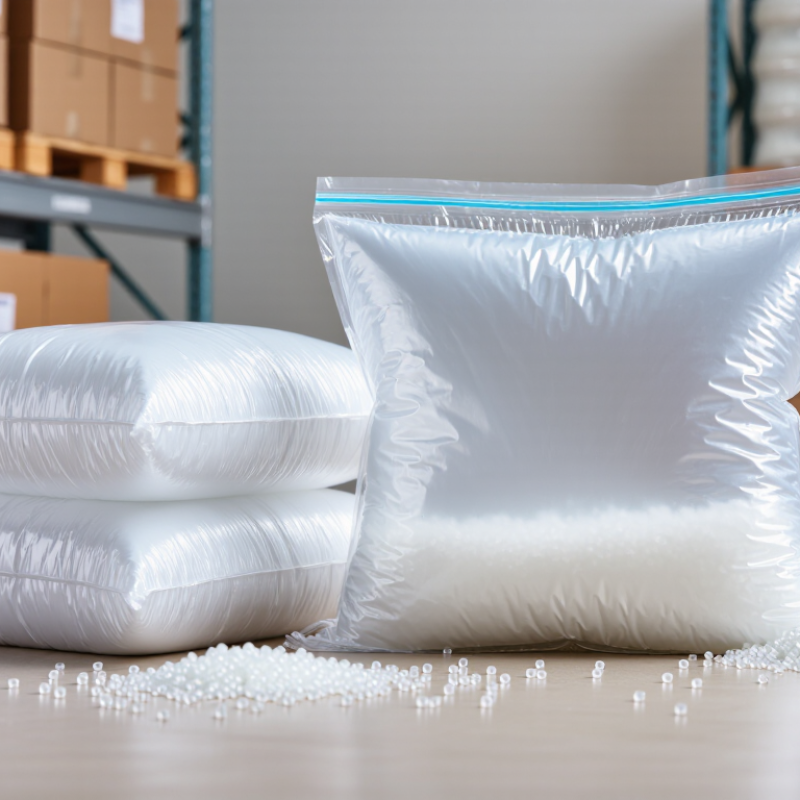
Global packaging decisions rarely begin with appearance. They begin with protection, shipping conditions, product value, and measurable risk. A Polystyrene Bag can provide lightweight cushioning, thermal resistance, and a smooth barrier against dust and moisture. These qualities matter when products travel through humid ports, crowded warehouses, and long distribution routes. They also help reduce package weight, which may lower handling effort and transport emissions. Still, performance depends on the product.

Packaging researcher Dr. Susan Selke has stated, “Packaging must protect the product while minimizing its environmental burden.” This principle provides a useful standard for evaluating every Polystyrene Bag. A responsible buyer should examine thickness, closure strength, temperature exposure, and damage rates during transit. Practical testing is more reliable than attractive claims. A sample bag should hold its shape around sharp corners and survive repeated handling without splitting. Small details matter.

The material is not a universal answer. Some markets restrict certain foam products, while recycling access varies between regions. That reality deserves direct attention. Companies should check local packaging rules, recovery infrastructure, labeling duties, and customer expectations before ordering large quantities. I have seen packaging choices look efficient on paper, yet create disposal confusion later. That weakness should not be hidden.

A sound decision compares protection, cost, weight, supplier quality, and end-of-life options together. Polystyrene Bag solutions may serve selected applications well, especially where cushioning and low weight are essential. They should earn their place through documented testing, transparent sourcing, and careful market review. Reliability is built through evidence, not assumption.
Why Choose Polystyrene Bags for Global Packaging?

What Are Polystyrene Bags and How Are They Made?

Polystyrene bags are lightweight packaging made from polystyrene, a plastic produced by polymerizing styrene. The term can describe two different formats. Thin polystyrene film bags are smooth, clear, and heat-sealed around small products. Expanded polystyrene bags contain a cellular foam structure, so they feel thicker and cushion fragile items. Their low weight can reduce shipping loads. That is useful.

For film bags, manufacturers melt uniform polystyrene pellets and push the material through a narrow die. The material cools into a sheet or tube. Rollers control thickness, while cutters and heated jaws create the final seams. Quality teams check seal strength, dimensions, odor, and pinholes. A weak seam may split when a sharp corner presses against it.

Expanded versions follow a different route. Tiny beads are pre-expanded with steam, then aged to stabilize their shape. Steam and pressure fuse the beads inside a mold. After cooling, the foam is trimmed and converted into a bag or protective insert. The process requires controlled temperature and moisture. Small changes can create brittle edges. In practical packaging trials, testing a filled sample matters more than inspecting an empty bag. Drop tests, compression checks, and cold-condition trials reveal problems quickly. Polystyrene resists moisture and provides useful insulation, but it is not perfect. Recycling access differs widely, and foam can be difficult to collect. Sometimes another material performs better.
Which Properties Make Polystyrene Bags Suitable for Packaging?

Why Choose Polystyrene Bags for Global Packaging?

Polystyrene bags offer a practical balance of light weight, stiffness, and moisture resistance. These properties help protect small components, garments, and fragile goods during handling. Packaging engineers often value their smooth inner surface. It reduces snagging and supports quick loading. Expanded polystyrene versions also provide cushioning. Technical data commonly places their density near 15–30 kg/m³, depending on grade and structure. That low density can reduce shipping weight.

Thermal performance is another useful property. The U.S. Department of Energy reports typical expanded polystyrene conductivity near 0.035 W/m·K. This helps slow temperature change around sensitive contents. However, thin polystyrene film bags provide far less insulation than foam-lined designs. The difference matters. Water absorption is generally low, while stiffness remains useful for stacking and sorting. In practical packing tests, though, sharp edges can puncture weaker films. Material selection cannot be casual.

Cost and production efficiency also support global use. Polystyrene can be formed with consistent thickness and reliable dimensions. The OECD’s Global Plastics Outlook reports that packaging created about 40% of global plastic waste in 2019. That figure deserves attention. Lightweight packaging may reduce transport emissions, but disposal remains difficult where collection systems are limited. Polystyrene is also vulnerable to cracking under impact and softening near heat sources. These weaknesses are easy to overlook. Responsible specifications should consider product weight, temperature, drop risk, reuse potential, and local recycling infrastructure. It is not an automatic sustainability win.

How Are Polystyrene Bags Used Across Global Industries?

Why Choose Polystyrene Bags for Global Packaging?

Polystyrene bags appear in several international packaging workflows, especially where insulation and low weight matter. Food distributors may use foam-lined bags for seafood, chilled produce, and prepared meals. Laboratories can place temperature-sensitive samples inside insulated liners with gel packs. Electronics suppliers sometimes use anti-static polystyrene packaging for small components. These bags are light, rigid, and easy to stack. That saves handling space. Yet “polystyrene bag” can describe different products, so buyers should confirm the material structure and thermal rating.

The OECD’s Global Plastics Outlook reports that global plastic production reached 460 million tonnes in 2019. Only about 9% was recycled. This figure challenges the assumption that lightweight packaging is automatically sustainable. The UNEP report Turning off the Tap also suggests that plastic pollution could fall by 80% by 2040 through reuse, better design, and improved recycling systems. In practice, a polystyrene bag should match the journey, not merely the product. A short chilled delivery may need less material than a two-day export shipment. Sometimes, the cheaper option creates more waste.

Tips: Check insulation performance, closure strength, and local recovery options before ordering. Keep bags dry and inspect seams after cold storage. Do not promise recyclability without verifying local facilities. Measurement matters. Track damage, temperature loss, and disposal results for several shipments. Industry guidance helps, but real shipment data often reveals uncomfortable gaps.

Why Choose Polystyrene Bags for Global Packaging? - How Are Polystyrene Bags Used Across Global Industries?

Data Dimension Polystyrene Bag or Packaging Type Typical Data or Range Global Industry Use Primary Packaging Benefit
Material structure Solid polystyrene film or sheet bag Dense, rigid-to-semi-flexible plastic; commonly identified by resin code 6 (PS) Retail goods, stationery, light industrial parts, laboratory accessories Smooth surface, low weight, easy conversion into pouches and protective sleeves
Foam structure Expanded polystyrene (EPS) liner, pouch, or foam wrap Typical apparent density: approximately 10–40 kg/m³, depending on grade and molding process Seafood distribution, temperature-sensitive food, medical shipments, electronics protection Very low weight and effective cushioning against impact and short-term temperature change
Moisture protection Coated or laminated PS-based pouch Resists liquid splash and surface moisture; performance depends on seams, coatings, and closures Dry foods, components, pharmaceutical secondary packaging, household products Helps reduce contamination and moisture contact during storage and transport
Thermal insulation EPS foam bag, liner, or insulated mailer Low thermal conductivity, commonly around 0.030–0.040 W/m·K for EPS; actual performance varies with density and temperature Fresh food, frozen food, biological samples, temperature-sensitive healthcare products Slows heat transfer and supports short-duration cold-chain handling when combined with refrigerants
Cushioning performance Foamed PS protective pouch or insert Closed-cell foam structure provides impact absorption; protection depends on thickness, density, and product mass Consumer electronics, precision parts, glassware, diagnostic equipment Reduces abrasion, vibration, and shock damage during handling and shipping
Weight efficiency Thin-film PS bag or low-density EPS packaging Solid PS density is approximately 1.04–1.06 g/cm³; EPS packaging is substantially lighter because it contains mostly air E-commerce fulfillment, export packaging, food distribution, spare parts logistics Can reduce packaging mass and handling effort compared with heavier rigid materials
Temperature limitation General-purpose PS film, sheet, or foam Glass-transition temperature is approximately 95°C; prolonged high heat can soften or deform PS Ambient-temperature products and chilled distribution rather than high-temperature filling Suitable for many cool or ambient applications, but requires process-temperature verification
Product visibility Clear or translucent PS bag Transparency depends on film thickness, orientation, additives, and surface finish Retail accessories, small parts, craft products, printed materials Allows visual inspection and can support sorting, identification, and inventory control
Fabrication options Heat-sealed pouch, zip-style pouch, die-cut sleeve, or molded foam liner Formats can be customized by thickness, dimensions, closure style, perforation, and cushioning profile Industrial distribution, retail packaging, laboratory supply chains, online fulfillment Supports application-specific designs without changing the basic polymer family
Chemical compatibility PS bag or EPS protective packaging Generally compatible with many dry products; aromatic solvents, some hydrocarbons, and certain aggressive chemicals can attack PS Laboratory, maintenance, electronics, and component packaging Useful for non-aggressive products when compatibility testing is completed before commercial use
Food-contact suitability Food-grade PS or EPS packaging, where permitted Suitability depends on formulation, food type, temperature, contact time, and destination-market regulations Fresh food, chilled products, bakery items, seafood, and food-service distribution Lightweight protection and insulation for selected food applications
Recycling identification PS film or rigid PS; EPS is also polystyrene-based Resin identification code 6; actual collection and recycling access varies considerably by region Packaging recovery planning across retail, food, healthcare, and industrial supply chains Provides a clear material identifier, while local recycling availability must be checked
End-of-life consideration Clean, separated PS or EPS packaging Recycling is more feasible when packaging is clean, dry, uncontaminated, and collected through an appropriate program All sectors using PS-based packaging Designing for separation, compacting, reuse, and local collection can improve recovery outcomes
Key selection check Any PS-based bag or liner Verify load, drop height, temperature, moisture exposure, chemical contact, food-contact rules, and disposal route Cross-border packaging programs and multi-market distribution Reduces specification errors and helps align packaging performance with regional requirements
Data note: Performance values are typical reference ranges rather than universal specifications. Final packaging selection should be validated through product-specific testing and the regulations, collection infrastructure, and food-contact requirements of each destination market.

What Factors Should Buyers Consider Before Choosing Them?

Choosing polystyrene bags for global packaging requires more than checking the unit price. Buyers should examine protection, weight, storage space, and end-of-life options. Polystyrene can provide cushioning with low material use. It can also resist moisture during long-distance transport. However, performance changes with thickness, temperature, and compression. A bag that protects small electronic parts may fail with sharp metal components. Test real shipments, not just samples.

The OECD’s Global Plastics Outlook reports that global plastic waste reached 353 million tonnes in 2019. Only 9% was recycled. This figure should influence procurement decisions. Ask whether local facilities accept the material. Check collection systems in every destination market. Packaging restrictions also differ across regions and change over time. UNEP’s 2023 report estimates that system-wide measures could reduce plastic pollution by 80% by 2040. That does not make every alternative automatically better. Paper may require more material, while reusable packaging may need return logistics. Buyers should compare total impacts, not marketing claims.

Tips: Request a supplier specification sheet. Confirm thickness, recycled content, and storage limits. Run drop, compression, and moisture tests. Calculate transport volume carefully. A cheap bag can create expensive damage. I have seen packaging decisions focus too narrowly on purchase price. That approach feels efficient, but it often ignores disposal costs, rejected shipments, and customer expectations. Leave room for revision. Data rarely tells the whole story.

How Do Polystyrene Bags Affect Sustainability and Waste Management?

Polystyrene bags can protect lightweight goods from moisture, dust, and surface damage during shipping. Their low weight may reduce transport fuel compared with heavier packaging. Yet sustainability depends on what happens after delivery. Most polystyrene uses fossil-based feedstocks, and thin bags are often difficult to sort mechanically. Food residue and mixed materials make recovery harder.

The OECD Global Plastics Outlook reports that only 9% of global plastic waste was recycled in 2019. About 22% was mismanaged, burned in open conditions, or leaked into the environment. These figures do not represent polystyrene bags alone. However, they show the wider waste-management challenge clearly. Polystyrene can be recycled through specialized systems, but collection remains inconsistent across regions. Disposal instructions often fail at the household bin. That is a practical weakness.

Tips: Choose bags with one material and clear disposal information. Ask suppliers about recycled content and local recovery options. Keep bags clean and dry before recycling. Reuse them when possible. Measure packaging carefully; oversized bags create unnecessary waste. Do not assume “recyclable” means “recycled.” The UNEP report Turning off the Tap (2023) stresses reuse, better design, and stronger collection systems. Packaging decisions need evidence, not attractive labels. A small operational trial may reveal more than a confident sustainability claim.