China Top Plastic Bag Printing Techniques and Trends Explained
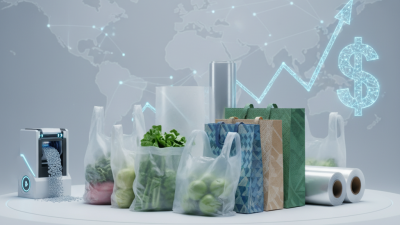
The landscape of plastic bag printing in China continuously evolves, driven by both technology and consumer demand. According to a report by Smithers Pira, the global market for printed flexible packaging, including plastic bags, is expected to reach $300 billion by 2025. This trend highlights the importance of innovative printing techniques in meeting market growth. Companies in China are increasingly adopting digital printing methods for their flexibility and efficiency. This shift not only reduces waste but also allows for vibrant, detailed designs.
As sustainability becomes a priority, many businesses are challenged to balance eco-friendly practices with high-quality plastic bag printing. The use of water-based inks and biodegradable materials is rising. However, achieving durability while maintaining an environmentally conscious approach can be difficult. Moreover, brands must adapt to consumer preferences for customized designs without compromising production speed. These challenges underscore the need for a strategic approach to the evolving trends in plastic bag printing.
In this dynamic industry, staying updated with the latest practices is crucial. Regularly monitoring changes in consumer behavior and technological advancements is necessary. The pursuit of excellence in plastic bag printing is ongoing, requiring both creativity and innovation to capture the growing market's attention.
Evolution of Plastic Bag Printing Techniques in China
China has seen significant changes in plastic bag printing techniques over the past few decades. The industry has evolved from basic flexographic printing to advanced digital printing processes. In 2019, digital printing accounted for nearly 20% of the total plastic bag printing market in China. This shift allows for more intricate designs and faster turnaround times. The rise in digital technology also helps reduce waste, which is a growing concern.
As consumers increasingly demand environmentally friendly packaging, the industry faces challenges. Traditional methods often involve harmful inks and solvents. In response, many companies are adopting eco-friendly materials and water-based inks. A 2022 report noted that around 45% of manufacturers committed to using sustainable practices. However, achieving consistency in quality remains a struggle for many vendors. The balance between sustainability and cost-efficiency is still a work in progress.
Moreover, innovations like 3D printing and biodegradable films are gaining traction. These technologies promise to redefine the landscape of plastic bag printing. Despite these advancements, industry experts highlight the need for improved regulations and standards. The reliance on outdated techniques can hamper progress. Continued investment in research and development is crucial for addressing these imperfections in the industry.
Key Technologies Driving Plastic Bag Printing Innovations
Plastic bag printing has evolved significantly in recent years. Advancements in digital printing technology are at the forefront of this change. Digital presses now allow for shorter runs without sacrificing quality. This makes it easier for businesses to produce eye-catching designs tailored to their branding needs. Speed and efficiency in production are crucial, particularly in a fast-paced market.
Moreover, eco-friendly inks are gaining traction. These inks reduce environmental impact while maintaining vibrant colors. However, the challenge remains: balancing sustainability with print quality. Reflections on these advancements prompt critical questions. Are we compromising durability for eco-friendliness? It’s an ongoing dilemma many manufacturers grapple with.
Another trend is inline printing technology. This method enhances productivity, allowing for direct printing on bags during production. Yet, it requires precise machinery and skilled operators. Mistakes can lead to wastage and increased costs. Continuous training and investment in technology may help mitigate these risks. As the industry grows, innovative solutions will shape the future of plastic bag printing. Ensuring we do not lose sight of quality amid rapid advancements is vital.
Sustainable Practices in Plastic Bag Production and Printing
Sustainable practices in plastic bag production are gaining traction globally. Recent industry reports indicate that about 60% of plastic bags produced lack recycling capabilities. This reality pushes manufacturers to explore eco-friendly alternatives and innovative printing techniques. One common trend is the use of biodegradable inks. These inks reduce environmental impact while maintaining print quality.
Another significant approach is the shift towards recycled materials in bag production. According to studies, using recycled plastics could decrease energy consumption by up to 30%. This technique not only minimizes landfill waste but also conserves valuable resources. However, challenges remain. Not all recycled materials meet safety standards for food packaging, raising concerns among consumers and regulators.
Furthermore, brands are becoming more transparent regarding their environmental footprints. In a recent survey, over 70% of consumers expressed a preference for sustainable products. Yet, achieving transparency can be difficult. Manufacturers must balance cost, quality, and sustainability without compromising on performance. As the industry evolves, ongoing innovations in sustainable practices will be crucial for meeting consumer demands and regulatory standards.
Current Design Trends in Chinese Plastic Bag Printing
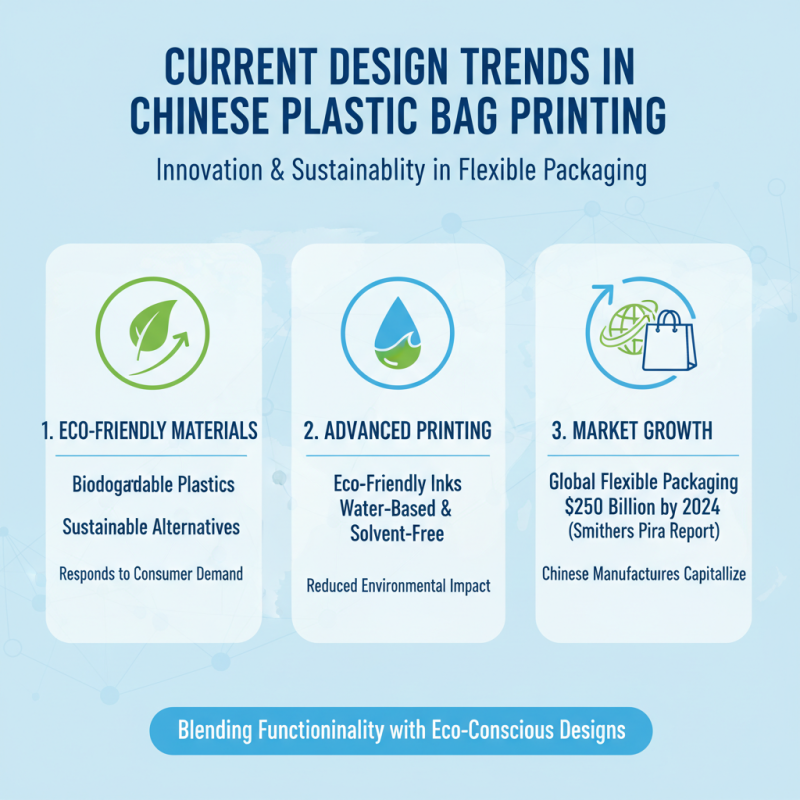
In recent years, Chinese plastic bag printing has embraced innovation and sustainability. A report from Smithers Pira indicates the global market for printed flexible packaging is set to reach $250 billion by 2024. Chinese manufacturers are capitalizing on this trend, adopting eco-friendly inks and biodegradable materials. This shift reflects a growing consumer demand for sustainable products. Many brands now prioritize environmental responsibility, blending functionality with eco-conscious designs.
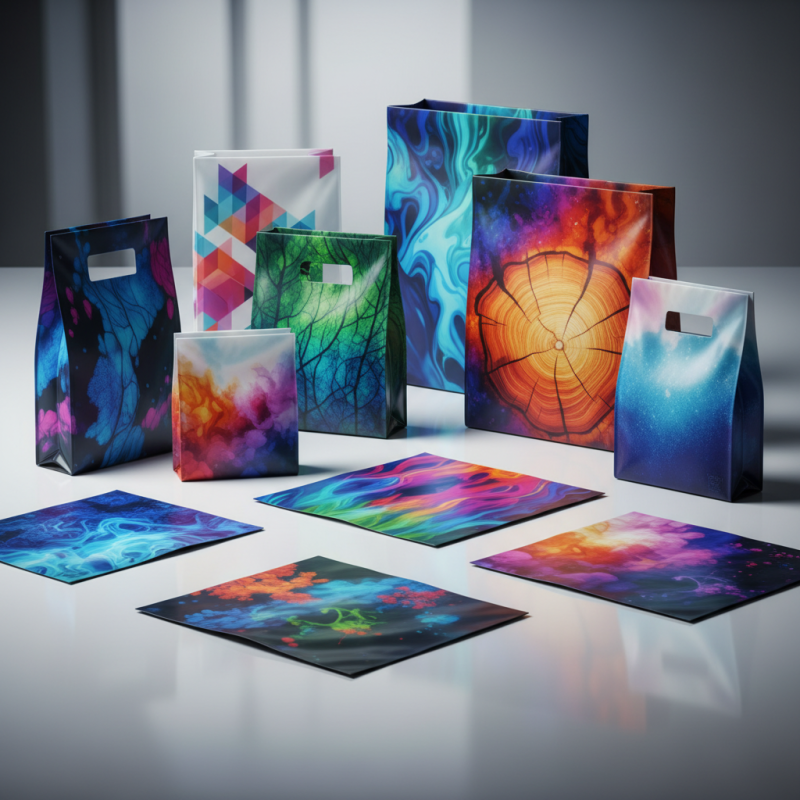
Current design trends highlight vibrant colors and intricate patterns. Minimalistic designs with bold typography are also gaining traction. Research from Technavio suggests that the demand for printed plastic bags is driven by urbanization and e-commerce growth in China. Enhanced printing technology enables smoother graphics and precise imagery. Companies are experimenting with textures and finishes, moving beyond basic prints.
Despite these advancements, challenges remain. The industry grapples with waste management issues and recycling inefficiencies. Many companies are still optimizing their processes to align with global environmental standards. There's a noticeable gap between innovation and practical implementation. Addressing these flaws will be crucial for long-term sustainability in plastic bag printing in China.
Future Prospects for Plastic Bag Printing Industry in China
The plastic bag printing industry in China is currently experiencing rapid transformation. Several factors are shaping its future.
Advances in printing technologies are significant. Digital printing allows for high-quality designs and shorter production runs, which appeal to consumers seeking customization. Companies face the challenge of balancing efficiency with environmental sustainability. This is crucial as regulations tighten.
Trends indicate a growing demand for eco-friendly materials. Consumers are becoming more conscious of their choices. Many brands aim to reduce their carbon footprints. However, the incorporation of sustainable practices is a complex endeavor. Traditional materials still dominate due to cost and availability. The transition to biodegradable options must be studied carefully.
Another critical aspect is the market competition. Local providers must innovate continuously to maintain relevance. Adapting to new consumer preferences is essential. The industry must also address the skills gap in the workforce. Training programs and education will play a vital role in building expertise. Finding skilled professionals remains a pressing issue as technology evolves.