2026 How to Choose the Best Polythene Bags for Your Needs?
Polythene bags have become integral to various industries, from retail to agriculture. According to a 2022 report by Market Research Future, the global polythene bag market is projected to reach $16 billion by 2026, reflecting a growing demand. This surge emphasizes the necessity for businesses to choose the right polythene bags tailored to their specific needs.
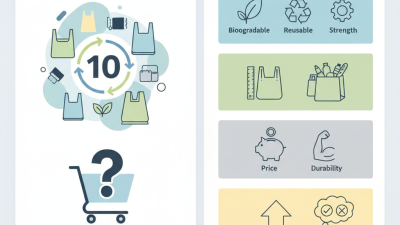
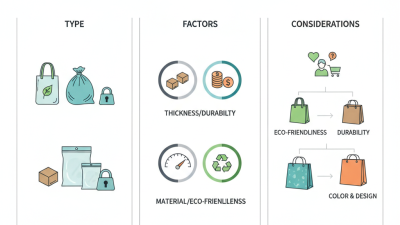
When selecting polythene bags, key factors must be considered. The thickness, size, and additives impact durability and recyclability. For instance, 70% of consumers prefer biodegradable options. However, not all biodegradable materials perform the same under varying conditions. Hence, it's crucial to assess the purpose and the environmental footprint of these bags.
In making a choice, it is important to embrace the nuances. Some bags might excel in one area but fail in another. Businesses often face dilemmas, such as balancing cost and sustainability. Understanding the trade-offs is essential for informed decisions. Polythene bags can be versatile, yet the ideal choice requires careful evaluation of all aspects.
Understanding Different Types of Polythene Bags Available in the Market
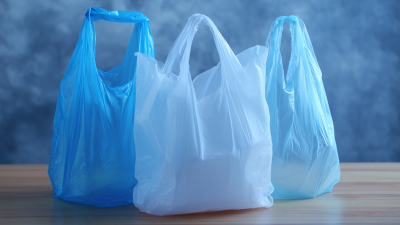
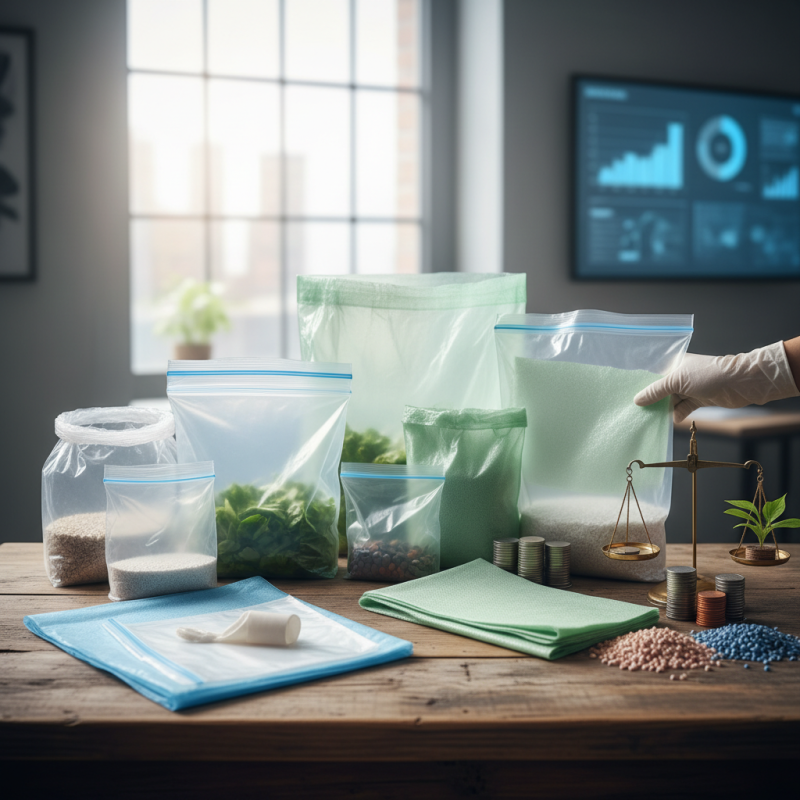
When selecting polythene bags, understanding the different types available is crucial. There are several varieties, each designed for specific uses. For example, low-density polyethylene (LDPE) bags are soft and flexible. They are ideal for carrying groceries or lightweight items.
High-density polyethylene (HDPE) bags, on the other hand, are sturdier and more tear-resistant. This makes them suitable for heavier loads.
Another option is biodegradable polythene bags. These bags are made to break down more easily in the environment. However, they often come with a higher price tag. Reflecting on their environmental impact can lead to better choices. When shopping, it’s essential to consider the purpose of the bag. Custom-sized bags may also be available, which can help ensure a perfect fit for your items. This tailored approach can improve functionality but sometimes leads to waste if not used wisely.
The thickness of the bag, measured in microns, is another factor worth noting. Thicker bags tend to last longer, yet they may not always be necessary. Balancing durability with environmental considerations can be challenging. Exploring these options and weighing the pros and cons will lead to more informed decisions that meet your needs. Each type of bag has its advantages, but the best choice ultimately depends on your specific requirements.
Assessing the Strength and Durability Required for Your Applications
When selecting polythene bags, assessing strength and durability is crucial. Many industries rely on these bags for packaging, storage, and transport. The specific applications largely dictate what type of bag you need. For example, heavy-duty industrial bags are often required for construction materials. On the other hand, lighter bags might suffice for grocery items.
Knowing the weight of the items you will place in the bags determines their strength. A bag that seems adequate might tear under pressure. Check for thickness, measured in microns. A thicker bag typically offers greater durability. However, thicker bags can also mean higher costs and more weight. Balance is essential.
Environmental factors can also impact durability. UV exposure can weaken some plastics. Moisture can compromise integrity too. Consider how bags will be stored and whether they will be exposed to harsh conditions. Reflecting on these points helps ensure the bags you choose meet your real needs. Choosing the right bag is not a one-size-fits-all decision. Each application requires individual consideration.
Considering Environmental Impact: Biodegradable vs. Traditional Options
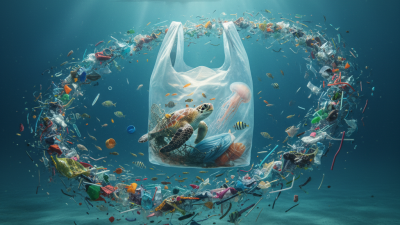
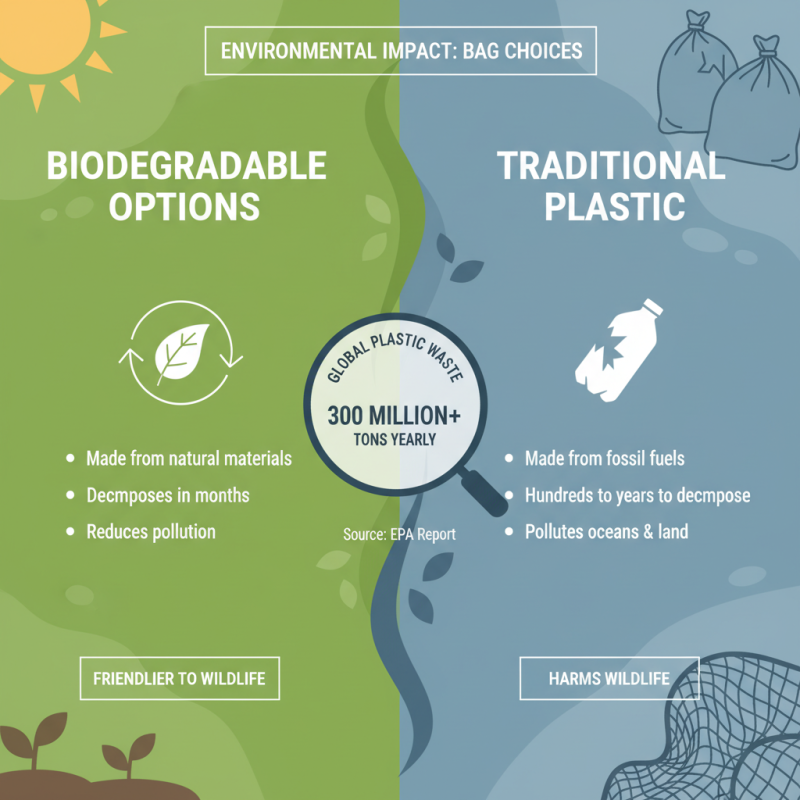
When selecting polythene bags, the environmental impact is a critical factor. The debate between biodegradable and traditional options is essential. A report from the Environmental Protection Agency (EPA) highlights that over 300 million tons of plastic are produced globally each year. Traditional polythene bags contribute significantly to this waste. They can take hundreds of years to decompose, polluting our oceans and harming wildlife.
Biodegradable bags offer an alternative. They typically break down within a year, reducing landfill pressure. However, these bags still require specific conditions to degrade properly, often found in industrial composting facilities. A study from the Ellen MacArthur Foundation noted that only 9% of plastic is recycled globally. This statistic raises questions about the effectiveness of biodegradable options.
The choice between these bags isn't straightforward. Environmental benefits need to be weighed against practical use and disposal. Understanding your requirements is crucial. Evaluate how often you'll use the bags and how they will be disposed of after use. Awareness and informed decisions can lead to better environmental outcomes. This process requires ongoing reflection and commitment to sustainable practices.
Evaluating Size and Capacity Based on Your Packaging Needs
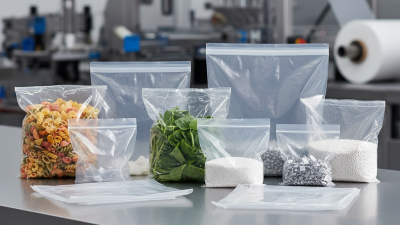
Choosing the right size and capacity for polythene bags is crucial for effective packaging. Start by assessing the items you plan to包. Are they small or large? Consider the dimensions and weight. A bag that’s too small compromises the packaging, while an oversized bag may lead to waste and inefficiency. Take precise measurements to ensure a snug fit.
Capacity is another key factor. Think about how many items you will need to package at once. For bulk items, a higher capacity is essential. Conversely, if you only need to package a few items, smaller bags will work well. Balancing capacity with size ensures you aren't drowning your items in excess material.
Reflect on your goals. Will these bags be used for retail, shipping, or storage? Each purpose might dictate different requirements. Sometimes, a bag that seems perfect may not hold up well under pressure. It’s worth testing a few options before making a bulk decision. Always ask suppliers for samples to better evaluate how they perform in real-life situations. Consider sustainability too; rethinking material choices could lead to better solutions.
2026 How to Choose the Best Polythene Bags for Your Needs?
| Bag Type |
Size (cm) |
Capacity (Litres) |
Thickness (microns) |
Usage |
| Standard Carrier Bag |
30 x 40 |
10 |
50 |
Retail |
| Demi Bag |
25 x 25 |
5 |
40 |
Gift Packaging |
| Heavy-Duty Bag |
40 x 50 |
20 |
100 |
Construction/Industrial |
| Zip Lock Bag |
20 x 30 |
3 |
30 |
Food Storage |
| Retail Shopping Bag |
35 x 45 |
15 |
60 |
Supermarket |
Cost-Effectiveness: Balancing Quality and Budget for Polythene Bags
When selecting polythene bags, cost-effectiveness is crucial. Quality materials can ensure durability. However, it’s tempting to opt for cheaper options. According to industry reports, lower-quality bags can lead to higher failure rates. This increases your overall costs due to replacements and waste management fees.
Balancing quality with budget means understanding your specific needs. For instance, heavier-duty bags may cost more upfront but can save money in the long run. The global polythene market is expected to exceed $200 billion by 2025, reflecting the increasing demand for better quality. Investing wisely now can lead to financial benefits later.
Tips: Always evaluate the intended use of the bags. Are they for groceries, packaging, or waste disposal? Consider the thickness and tear resistance. Look for suppliers that offer bulk discounts. Make sure to check and compare material specifications to ensure they meet your requirements. Quality does matter, but thoughtful planning can help you stay within your budget.
Cost-Effectiveness of Polythene Bags