Top Trends in China's Packaging Market for Global Buyers?
The Chinese packaging market is evolving rapidly. As global buyers look for innovative solutions, understanding the latest trends is crucial. According to Dr. Wei Zhang, a leading expert in the Packaging Market, "Innovation drives the future of packaging." This perspective highlights the importance of staying updated on trends.
Current trends include sustainable materials and smart packaging technology. Many companies are shifting towards eco-friendly solutions. This shift reflects a growing consumer demand for greener products. Smart packaging, which integrates technology, enhances user experience, but not all brands have adopted it. The complexity of implementation can be daunting.
Furthermore, customization in packaging design is on the rise. Companies are recognizing the value of personalized solutions. However, balancing cost and uniqueness remains a challenge. The Packaging Market is vibrant yet intricate. Global buyers must navigate these dynamics to capitalize on emerging opportunities.
Emerging Sustainable Packaging Solutions in China
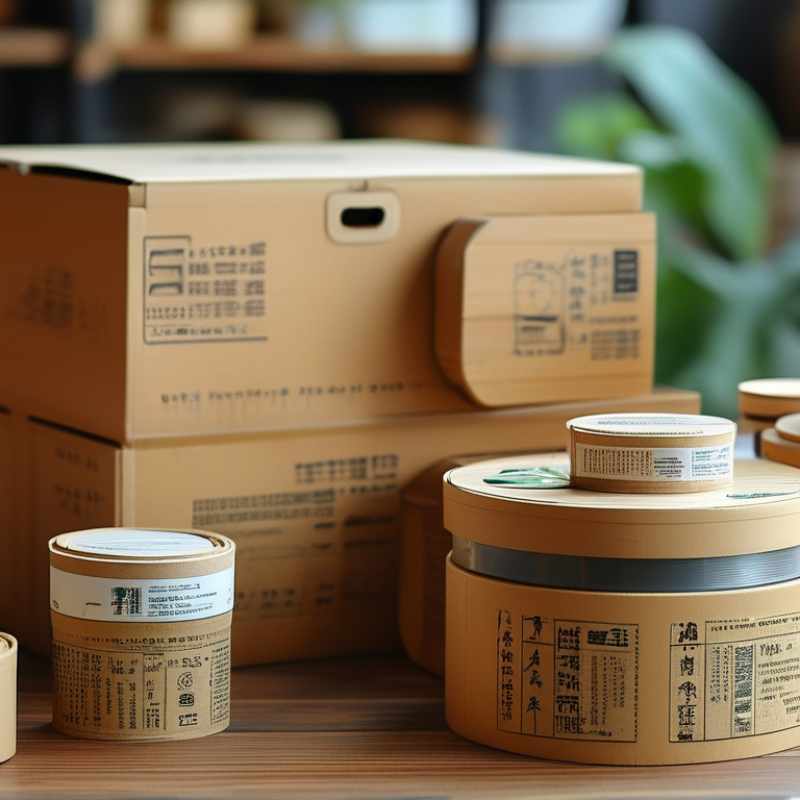
The packaging market in China is undergoing a significant transformation. One notable trend is the shift towards sustainable packaging solutions. This evolution is driven by both consumer demand and regulatory pressures. Many companies are striving to reduce their environmental footprint through innovative practices. They are experimenting with biodegradable materials and eco-friendly designs.
Tips: Look for suppliers who prioritize sustainability. This can enhance brand reputation and meet consumer expectations.
While advancements are impressive, challenges remain. Not all eco-friendly materials have proven cost-effective. Some manufacturers struggle to balance sustainability with traditional methods. This leads to inconsistent quality in products. Buyers need to keep an eye on the durability and function of these new materials.
Tips: Conduct tests before large orders. Ensure that the packaging meets both performance and sustainability standards.
As the market develops, it’s crucial for global buyers to stay informed. Engage with suppliers who share insights on emerging technologies. This relationship can foster innovation and align packaging strategies with sustainable goals.
Impact of E-Commerce on China's Packaging Innovations
E-commerce has transformed the packaging landscape in China. With the rise of online shopping, packaging innovation has become crucial for brands aiming to stand out. Companies have started prioritizing materials that enhance product safety and shelf life. Eco-friendly packaging is now a significant trend, driven by growing consumer awareness about sustainability. Many brands are experimenting with biodegradable materials and minimalistic designs to reduce waste.
The demand for efficient packaging solutions is also on the rise. Brands are looking for lightweight options that minimize shipping costs. Smart packaging technologies are gaining traction, integrating QR codes and NFC tags for better consumer engagement. However, challenges remain. Not all innovations are universally accepted. Some consumers still prefer traditional packaging formats, which can create conflicts in strategy. Balancing sustainability and functionality is tricky; companies must carefully consider their target audience's preferences.
Moreover, rapidly changing consumer behavior adds pressure on packaging design teams. They must respond swiftly to trends while ensuring quality. This environment fosters continuous learning and adaptation. Experimenting with new materials and designs can lead to unforeseen challenges. Yet, these hurdles often lead to innovative breakthroughs. The future of packaging in China's e-commerce sector looks bright, but it requires ongoing effort and creativity.
Impact of E-Commerce on China's Packaging Innovations
Technological Advancements Driving China's Packaging Industry
The Chinese packaging industry is experiencing a significant transformation driven by technological advancements. In 2023, the market size is expected to reach approximately USD 70 billion, reflecting an annual growth rate of 5.5%. Innovations in automation and smart technology are reshaping production lines. Automated packaging systems enhance efficiency and reduce labour costs. New technologies, such as IoT and AI, are also improving supply chain management, enabling companies to monitor and optimize processes in real time.
Among these advancements, the rise of sustainable packaging solutions stands out. With growing environmental awareness, the demand for eco-friendly materials is increasing. Biodegradable plastics and recycled materials represent a considerable part of market growth. It is projected that by 2025, sustainable packaging will account for over 30% of all packaging produced in China. This shift presents challenges, as the industry must balance sustainable practices with cost-effectiveness.
However, there are hurdles to overcome. Many manufacturers still rely on traditional practices, leading to inefficiencies. Moreover, integrating new technologies requires significant investment and training. The industry's transition toward modernization will not be instantaneous. Continued efforts are needed to refine these processes and achieve greater sustainability while remaining competitive on the global stage.
Consumer Preferences Shaping Packaging Design Trends in China
In China, consumer preferences significantly influence packaging design trends. Eco-friendly materials are gaining traction. Many consumers now demand sustainable options in their product choices. This shift is evident in various sectors, from food to cosmetic packaging.
Minimalistic designs are also becoming popular. Shoppers prefer clean aesthetics that convey transparency and simplicity. Bright colors and creative illustrations still attract attention, but consumers desire clarity about what they purchase. Personalized packaging—such as custom designs to reflect cultural values—also resonates strongly with buyers.
Challenges remain in meeting these evolving demands. Balancing sustainability with cost-effectiveness can be tough for brands. While companies strive to innovate, they sometimes overlook the practicality of consumer needs. Keeping up with trends while maintaining functionality is a delicate task. Manufacturers should tread carefully and prioritize reliable solutions.
Regulatory Changes Affecting Packaging Practices in China
China's packaging market is undergoing significant regulatory changes, influencing practices for global buyers. Recent reports indicate that the government is tightening regulations on plastic use, aiming to achieve reductions in waste by 30% by 2025. This ambitious goal has prompted companies to reconsider their packaging materials and strategies.
The emphasis is now on sustainable options. Biodegradable and recycled materials are gaining attention as alternatives to traditional plastics. A survey by the China Packaging Federation shows that over 60% of manufacturers are investing in eco-friendly solutions. Despite this shift, many companies struggle with the cost implications and availability of these materials. The transition is not seamless, and market players must continually adapt to evolving regulations.
Compliance is a challenge. Different regions in China have varied regulations, leading to confusion among global buyers. Many reports highlight that failure to meet local requirements can result in hefty fines and damage to brand reputation. Keeping abreast of local laws is critical for success in the Chinese packaging market. Adapting swiftly not only ensures compliance but also enhances a brand's image as a responsible player in a changing environment.