Leave Your Message

What Are the Top Plastic Packaging Bag Types in 2026?

Plastic bags rarely look important until a seal splits, a product loses freshness, or a shelf display falls flat. In 2026, the leading Packaging Bag Plastic formats will still be judged by practical details: product protection, filling speed, shelf appeal, and material use. Smithers’ report, The Future of Flexible Packaging to 2028, forecasts the global flexible packaging market will grow from about $250 billion in 2023 to $300 billion in 2028. That broad market includes more than bags, but it signals sustained demand for flexible formats.

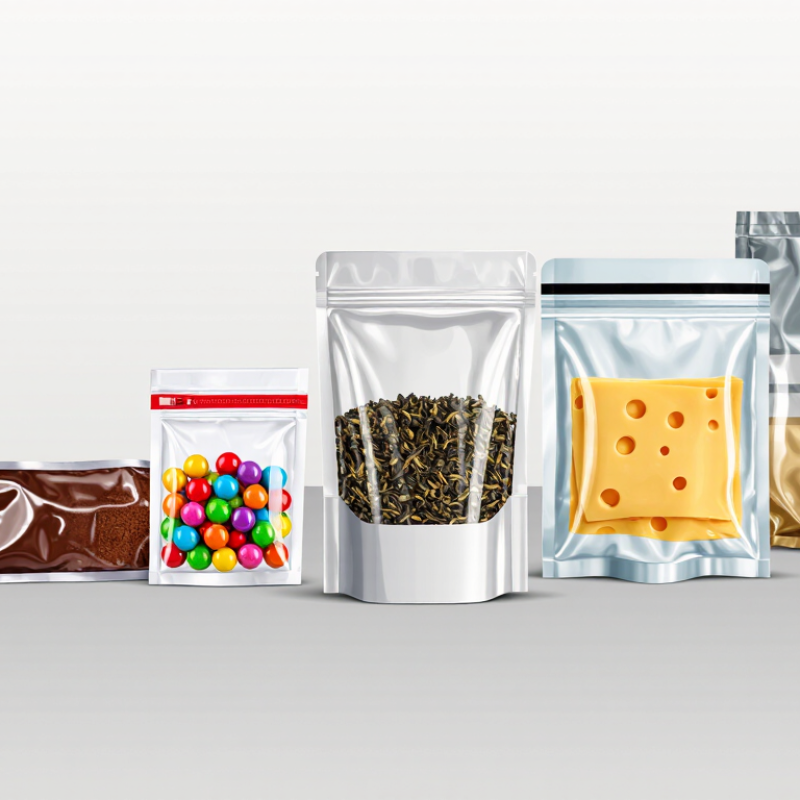
Common choices include stand-up pouches, flat pouches, zipper bags, gusseted bags, vacuum bags, and barrier bags. Each solves a different problem. A stand-up pouch can hold snacks upright on a store shelf; a vacuum bag can reduce air around food. Small details matter. Film structure, closure type, and bag dimensions can change performance and cost. Smithers’ market analysis is useful context, but it does not prove that one bag type suits every product.

Material choices also deserve scrutiny. The OECD’s Global Plastics Outlook reports that global plastic waste reached 353 million tonnes in 2019, highlighting the wider resource and waste challenge. That figure covers all plastics, not packaging bags alone. Buyers should therefore compare protection needs, material specifications, and locally available recovery options rather than relying on broad sustainability claims. The answer is not perfectly tidy: a lighter bag may use less material, yet still be difficult to collect or recycle. This guide compares the main bag types and the trade-offs behind them, helping businesses make decisions grounded in product needs and credible evidence.
What Are the Top Plastic Packaging Bag Types in 2026?

How Plastic Packaging Bags Are Classified

What Are the Top Plastic Packaging Bag Types in 2026?

How Plastic Packaging Bags Are Classified

Plastic packaging bags are classified by material, structure, format, and performance. Resin is a useful starting point. Polyethylene (PE) is flexible and heat-sealable, while polypropylene (PP) can offer a crisper feel and clear product visibility. PET and nylon often appear in layered films when stiffness, print quality, or puncture resistance matters. The categories overlap. A bag may combine several resins to meet its needs, though that can complicate recycling.

Construction and shape make the classification more practical. A PE mailer, flat bag, stand-up pouch, and side-gusseted bag serve different handling and display needs. Barrier layers can help limit oxygen or moisture exposure; seals and closures affect opening and leakage. Details matter.

The Flexible Packaging Association’s 2024 State of the Industry report estimated U.S. flexible packaging sales at $42.9 billion in 2023, indicating the scale of this packaging category, not the number of bags sold. PlasticsEurope’s 2023 report found packaging accounted for 39.8% of European plastics converter demand in 2022. Those figures describe broad markets, so they cannot identify one “best” bag type.

In practice, product weight, shelf life, filling equipment, and disposal options shape the choice. A tidy label rarely tells the whole story.

Stand-Up and Flat Pouches for Retail Packaging

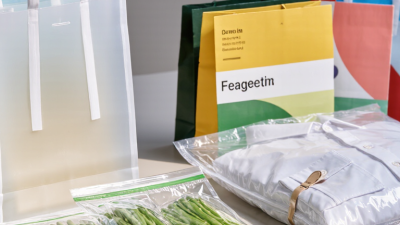
Stand-up and flat pouches serve different retail needs. A stand-up pouch uses a bottom gusset to stay upright, making the front panel easy to see on a shelf. That extra display space can carry product details, clear images, and readable instructions. A zipper also helps shoppers close the pack between uses. Small detail. But the pouch must be filled and sealed consistently; a weak seal can undo its shelf appeal.

Flat pouches have a simpler shape and usually take up less room in cartons and storage bins. They work well for single portions, samples, and products that do not need to stand on display. Their smooth panels can still provide useful print space, though the pack may need a tray, hook, or shelf support to stay visible. Not always. A flat pouch may also be easier to handle on a fast packing line, depending on the material and equipment.

Choosing between them starts with the product, not just the artwork. Consider weight, moisture or oxygen sensitivity, fill volume, and how customers will open and store the package. Ask a converter for material and seal recommendations, then test filled samples on an actual shelf and through routine handling. A pouch that looks tidy empty may sag when filled. Recyclability claims also depend on the finished material structure and local collection options, so verify them before printing.

Gusseted Bags and Poly Mailers for Storage and Shipping

Gusseted bags solve a simple storage problem: bulky items need room to spread. Side or bottom panels expand when filled, helping bags stand upright on shelves or counters. They suit clothing, linens, hardware, and other dry goods. Measure the packed item, not just the empty bag. A few extra centimeters can prevent strained seams and awkward bulges. Small details matter.

For shipping, poly mailers are lightweight and flexible. Their peel-and-seal closures make packing quick, while opaque film offers privacy for ordinary parcels. Choose a size that leaves enough room for the item without excessive empty space. For sharp corners or fragile contents, add suitable inner protection; a mailer alone is not cushioning. Test the seal with a sample shipment before packing many orders.

The right choice depends on handling and storage conditions. Gusseted bags are useful when products need volume or a tidy shelf presence. Poly mailers work well for soft, non-fragile goods that can tolerate compression. Check thickness, seam quality, and stated load capacity rather than judging by appearance. And be realistic: a thicker bag is not automatically a better one. Oversizing also wastes material and can let contents shift. A small trial run often reveals issues that measurements miss.

Barrier and Specialty Bags for Product Protection

Barrier and specialty bags protect products from moisture, oxygen, light, and physical damage. The right structure depends on what can spoil or weaken the product. Foil laminates block light and provide strong moisture and oxygen barriers, while metallized films offer lighter protection. EVOH coextrusions can suit products needing oxygen control without a foil layer. For heat-treated foods, retort pouches must withstand high temperatures and pressure. Vacuum bags help limit oxygen exposure, while microperforated bags allow produce to release moisture.

The Flexible Packaging Association’s 2024 State of the Flexible Packaging Industry report estimated U.S. flexible packaging sales at $42.9 billion in 2023. That scale reflects broad use, but it does not make every bag suitable for every product. The OECD’s Global Plastics Outlook (2022) found that packaging made up 40% of plastic waste in 2019. Protection matters; so does avoiding material that adds little value. It is easy to over-specify. A thicker barrier may raise cost without meaningfully extending shelf life.

Tips: Match the barrier to the product’s actual risks, then test the filled bag under real storage conditions. Check seal strength, pinholes, and puncture resistance, especially around sharp corners. A bag that looks robust can still fail at the seal. Ask suppliers for test methods and results, and compare like with like.

What Are the Top Plastic Packaging Bag Types in 2026? - Barrier and Specialty Bags for Product Protection

Bag Type Typical Material Structure Main Protection Common Applications Practical Considerations
Vacuum Pouch Often a multilayer polyamide (PA) and polyethylene (PE) structure Reduces air in the pack; PA can provide puncture resistance and an oxygen barrier, while PE commonly provides the seal layer Meat, cheese, seafood, and other products packed under vacuum Barrier and puncture performance depend on the film structure and thickness. The pouch must be compatible with the product and filling process.
High-Barrier EVOH Pouch Coextruded or laminated layers with ethylene vinyl alcohol (EVOH), typically protected by polyolefin layers Limits oxygen transmission; suitable for products where oxygen exposure can affect shelf life or quality Processed foods, sauces, snacks, and products requiring extended oxygen protection EVOH barrier performance can be affected by humidity, so it is commonly placed between moisture-resistant layers. Actual performance varies by construction.
Metallized Film Pouch Plastic film, commonly PET, with a thin deposited metal layer and a heat-sealable inner layer Provides a strong light barrier and can reduce oxygen and moisture transmission compared with many uncoated films Snack foods, coffee, powdered products, and light-sensitive goods The metallized layer is thin and is not the same as a continuous aluminum-foil layer. Barrier levels and recyclability depend on the complete laminate.
Foil-Laminate Barrier Pouch Plastic film laminated with aluminum foil and a sealant layer, often PE or cast polypropylene (CPP) High protection from light, oxygen, and moisture when properly converted and sealed Specialty foods, dry ingredients, and products needing strong barrier protection Foil laminates are typically difficult to separate into recyclable material streams. They are not interchangeable with metallized-film structures.
Retort Pouch Heat-resistant multilayer construction, commonly including PET, aluminum foil, and a retort-grade CPP seal layer Designed to withstand validated heat-processing conditions while maintaining package integrity Shelf-stable meals, sauces, and other foods processed in the sealed package Requires a structure, seal, and process specifically validated for the intended retort conditions. Not every multilayer pouch is retortable.
Stand-Up Pouch with Reclosure Flexible laminate or coextruded film, with a bottom gusset and a zipper or other reclosure feature Can combine product containment with a barrier structure selected for the product; reclosure helps limit exposure after opening Pet food, snacks, dried foods, and household products Reclosure improves convenience but does not necessarily restore the original hermetic seal. The pouch material and zipper should be designed as a compatible package.
Mono-PE or Mono-PP Pouch Predominantly polyethylene (PE) or polypropylene (PP), sometimes using compatible layers or coatings Provides product containment and can be engineered for moisture, seal, and mechanical requirements Dry goods, personal-care refills, and selected flexible-packaging applications Designed to support material-stream compatibility where suitable collection and recycling systems exist. Recyclability depends on local infrastructure, format, and component choices.
Gusseted Bag Usually PE or a multilayer film; side or bottom gussets expand to increase capacity Offers additional volume and stable filling; barrier protection depends on the selected film structure Bulk dry foods, coffee, pet food, and industrial products Gussets are a bag shape rather than a specific barrier material. Seals and folds should be tested for the product’s weight and handling conditions.

Material structures and barrier performance are application-specific. Confirm suitability through packaging specifications, seal testing, and any required product or processing validation.

How to Match Bag Types to Packaging Needs

Match the bag to the product, filling process, and delivery conditions. Stand-up pouches suit snacks or powders that need shelf visibility and a stable base. Flat pouches use less material for small items, but offer limited display space. Gusseted bags provide extra room for bulky products. For liquids, a spouted pouch may work, provided its seal withstands handling and pressure. Check the actual filling line, too. A promising sample can wrinkle or leak at production speed. Fit matters.

Barrier layers help protect products from moisture, oxygen, or light, but multilayer films can be harder to recycle in existing systems.

UNEP’s 2023 report, Turning off the Tap, states that packaging accounts for 36% of plastics produced. The OECD’s 2022 Global Plastics Outlook reports that packaging generated 40% of plastic waste in 2019. These figures make material choice worth examining, not treating as a simple label.

Where collection and sorting support it, a compatible mono-material bag may be preferable. I would still test shelf life, seal strength, and local recycling access before choosing; no bag type is best for every product.