Leave Your Message

China Top 10 Plastic Bag Manufacturers for Packing

Plastic bags still protect groceries, garments, components, and parcels from dust and moisture during storage and transit. But selecting a supplier takes more than comparing unit prices. Buyers need to assess material specifications, print quality, seal strength, production capacity, and communication.

The OECD’s 2022 Global Plastics Outlook reports that global plastics production reached 460 million tonnes in 2019, while plastic waste reached 353 million tonnes. Only 9% of plastic waste was ultimately recycled. These figures describe plastics broadly, not packaging bags alone, but they show why material choices and supplier practices deserve careful scrutiny.

“We need to take coordinated and global action to curb plastic pollution and its environmental and health impacts,” said OECD Secretary-General Mathias Cormann in 2022. His warning is relevant to packaging buyers: a dependable manufacturer should be able to explain its materials, quality controls, and production processes. Clear answers matter.

This guide to China’s top 10 plastic bag manufacturers for packing offers a starting point for comparing suppliers. It considers product range, customization, manufacturing capability, and export experience, while recognizing that public company information can be incomplete or difficult to compare. The keyword Plastic Bag For Packing covers many formats, from lightweight retail carriers to thicker shipping mailers; the right option depends on the product and route.

Use the shortlist to begin due diligence, not replace it. Request current specifications and samples. A polished catalog is useful, but a sample seal and a direct factory response can reveal more. No ranking captures every buyer’s needs.
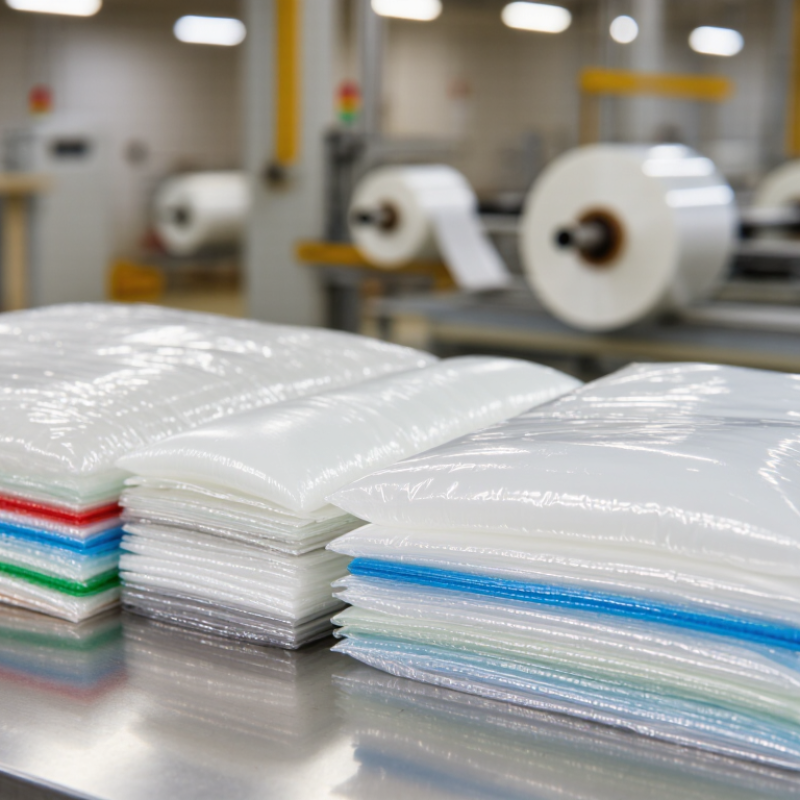
China Top 10 Plastic Bag Manufacturers for Packing

Understanding Plastic Bags and Their Role in Packaging

Plastic bags protect products from dust, splashes, and handling during storage and transport. Their value depends on matching the bag to the job. A thin bag may suit lightweight garments, while heavier goods often need stronger film and sealed seams. Small details matter. A bag that is too tight can split at the corners; one that is oversized may waste material and slow packing. Clear film helps staff identify contents quickly, while opaque film can improve privacy and reduce light exposure. Neither choice is automatically better.

Good packaging decisions start with the product’s weight, shape, and storage conditions. Teams can test filled bags by lifting them, checking seals, and observing how they perform after stacking. A simple trial often reveals more than a specification sheet alone. That is not always easy. Film thickness does not tell the whole story, since resin type, bag design, and manufacturing consistency also affect performance. I would also question whether extra strength is truly needed; more material can raise cost without improving protection. Reuse and recycling options vary by local facilities, so packaging claims should be checked rather than assumed.
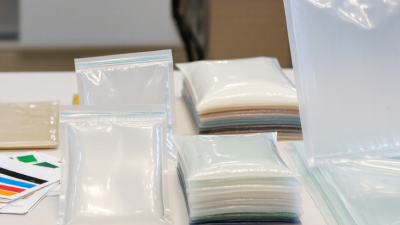
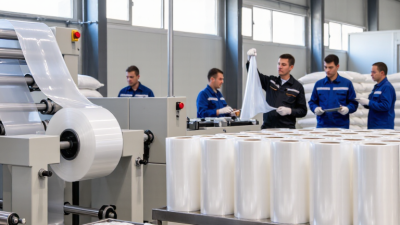
Key Types of Plastic Bags Made for Packing in China

Plastic packing bags in China are produced in formats suited to different products and handling needs. T-shirt bags are common for lightweight retail goods, while flat bags fit documents, small parts, or folded textiles. The difference matters. A narrow bag may save material but can slow packing when items have uneven edges.

Gusseted bags expand at the sides or bottom, giving boxed goods and bulky products more room. Zip bags allow repeated opening, and stand-up pouches can hold items upright on a shelf. Some formats use polyethylene for flexibility; others use polypropylene when a firmer, clearer feel is preferred. Not always. Material choice depends on the product, storage conditions, and sealing method.

When comparing suppliers, check dimensions, film thickness, seal strength, and print clarity on a physical sample. A specification can look neat on paper, yet a filled bag may feel awkward in hand. That detail is easy to miss. Ask how thickness is measured and whether the sample matches the intended production run. Even then, a small variation can affect fit, so the best format is not always the most impressive-looking one.

How to Evaluate China’s Plastic Bag Manufacturers

Choosing a plastic bag manufacturer in China takes more than comparing unit prices. Start with the product details: bag dimensions, film thickness, material type, handle design, and printing needs. Ask whether the supplier can provide a sample made to the same specifications as the planned order. Check the seams, edges, and print alignment by hand. Small flaws matter.

Review how quality is checked during production. Ask how film thickness is measured, how seal strength is tested, and whether inspection records can be shared. Clear answers are more useful than broad promises. Confirm minimum order quantities, sample timelines, production capacity, and how delays are communicated. I would not treat one good sample as proof; that is an easy mistake. Compare samples from different production runs when possible.

Tips: Send a written specification sheet, then ask the manufacturer to confirm each detail. Keep one approved sample for comparison. Check packaging and carton labels before shipment. If a response feels vague, ask again. That extra exchange can prevent costly misunderstandings.

Profiles of 10 Chinese Plastic Bag Manufacturers

Profiles of ten Chinese plastic-bag manufacturers are most useful when they compare capabilities, not marketing claims. This overview focuses on packaging formats, film thickness, sealing methods, print options, minimum order quantities, and quality checks. Some suppliers specialize in lightweight mailing bags; others handle thicker industrial liners or custom-printed pouches. Ask for samples with your actual product dimensions. A neat catalog is not a performance test.

The OECD’s Global Plastics Outlook (2022) estimated that the world generated 353 million tonnes of plastic waste in 2019, with only 9% ultimately recycled. That figure makes material specifications and disposal claims worth checking carefully. The profiles therefore consider whether suppliers provide clear resin and thickness data, production tolerances, and documentation for stated recycled content. These details can be uneven. A profile is a starting point, not an independent factory audit or a guarantee of delivery.

Tips: Request a dated quotation, sample, and written specification. Check seal strength and dimensions before approving a large order. Ask how defects are recorded; vague answers deserve a second look.

Comparing Suppliers for Quality, Customization, and Delivery

China Top 10 Plastic Bag Manufacturers for Packing
Comparing Suppliers for Quality, Customization, and Delivery

A supplier comparison should begin with the bag’s actual job: product weight, storage conditions, and packing-line speed. Ask for samples in the proposed material and thickness, then check dimensions, seam consistency, and tear resistance. A clear specification sheet helps prevent vague promises. Still, one sample cannot represent every production run. Request repeat samples or batch inspection details before placing a large order.

Customization means more than choosing a color. Confirm printing area, artwork format, handle style, and acceptable color variation. Ask whether setup costs or minimum order quantities change with each option. For delivery, compare production time, dispatch schedule, carton quantities, and how delays are communicated. A low price may not help if the bags arrive late or need rework. I have seen comparisons focus too much on unit cost; that is an easy mistake.

Tips: Send the same written specification to every supplier. Keep a dated sample, and record its measurements and test results. Ask for a realistic delivery estimate, not just the fastest possible one. Short checks matter.

China Top 10 Plastic Bag Manufacturers for Packing - Comparing Suppliers for Quality, Customization, and Delivery

Supplier Profile Common Packing Bag Types Material Options Typical Thickness Customization Options Indicative MOQ Indicative Production Lead Time Quality Checks to Request Delivery Considerations
Supplier 01 — General flexible-packaging producer Flat bags, side-gusset bags, and bottom-seal bags LDPE, HDPE, and LLDPE; recycled content may be available by specification About 20–100 μm, depending on film structure and use Custom dimensions, thickness, printing, and perforation Often 5,000–20,000 pieces per size or design; confirm by bag format Typically 2–5 weeks after artwork and specifications are approved Film thickness, bag dimensions, seal strength, print color, and visual defects Confirm packaging method, carton quantity, shipping terms, and dispatch schedule
Supplier 02 — Retail carrier-bag specialist T-shirt bags, die-cut handle bags, and patch-handle bags HDPE, LDPE, and blends; material choice affects stiffness and feel Commonly about 15–60 μm Handle style, bag size, gusset, print coverage, and punched holes Often 10,000–50,000 pieces per size and print design Typically 2–5 weeks after final artwork approval Handle and seam strength, thickness, dimensions, and print registration Nested or bundled packing can reduce carton volume; request packed-carton details
Supplier 03 — Courier and e-commerce mailer producer Poly mailers, security mailers, and returnable mailers Co-extruded PE films; optional inner lining or recycled content may be specified Often about 40–100 μm total film thickness Self-seal strip, tear strip, return adhesive, opaque film, and printing Often 5,000–20,000 pieces per size and specification Typically 2–5 weeks; custom structures may take longer Adhesive performance, seal integrity, puncture resistance, and dimensions Check whether samples are tested with the intended parcel weight and shipping route
Supplier 04 — Food-contact flexible-bag producer Food pouches, produce bags, and inner packing bags PE and laminated structures selected for the intended food-contact application Varies by structure; commonly about 30–150 μm total thickness Size, zipper, tear notch, print, and barrier structure where suitable Often 10,000–50,000 pieces, depending on structure and printing Typically 3–6 weeks after specification and compliance review Request applicable food-contact declarations, migration documentation, and seal tests Confirm that documentation covers the destination market and intended food use
Supplier 05 — Heavy-duty industrial sack producer Heavy-duty liners, industrial bags, and large-format sacks LDPE, LLDPE, HDPE, or multilayer PE film Commonly about 50–200 μm, depending on load and construction Custom dimensions, gussets, color, printing, and reinforced seams Often 3,000–15,000 pieces per size; large bags may have different minimums Typically 3–6 weeks after sample and specification approval Load testing, seam strength, thickness consistency, and dimensional tolerance Confirm finished-bag weight, pallet configuration, and transport handling limits
Supplier 06 — Garment and apparel-bag producer Garment covers, flat apparel bags, and flap-seal bags LDPE, HDPE, and selected biodegradable or recycled-content films where available Often about 20–60 μm Hanger hole, adhesive flap, warning text, sizing, and one- or two-color print Often 10,000–30,000 pieces per size and print design Typically 2–5 weeks after artwork approval Bag dimensions, hole position, flap adhesion, film clarity, and print legibility Specify folding method and carton counts to match garment packing operations
Supplier 07 — Drawstring and refuse-bag producer Drawstring bags, flat refuse bags, and star-sealed liners HDPE, LDPE, LLDPE, and recycled-content blends by specification Commonly about 10–50 μm for household formats; heavier formats may be thicker Bag size, drawstring type, color, roll format, and printed packaging Often 10,000–50,000 bags or rolls per specification Typically 2–5 weeks after specifications are confirmed Leak resistance, seal integrity, roll count, thickness, and tear performance Request roll dimensions and carton measurements when planning container loading
Supplier 08 — Reusable shopping-bag producer Reusable PE shopping bags and reinforced-handle bags HDPE, LDPE, or LLDPE; reusable performance depends on construction and gauge Often about 40–100 μm Handle reinforcement, gusset, size, color, and surface printing Often 5,000–20,000 pieces per design Typically 3–6 weeks after sample approval Handle pull strength, seam strength, load performance, and print durability Agree on a test load and reuse expectations before placing a production order
Supplier 09 — Small-run custom bag converter Short-run flat bags, simple pouches, and promotional packing bags Common PE films; available structures depend on the converter's equipment Usually about 20–100 μm, subject to format and material availability Digital or limited-color printing, custom size, and basic closure options May start around 1,000–5,000 pieces for suitable designs Typically 1–4 weeks for available materials and simpler specifications Pre-production sample, dimensions, print proof, and sealing consistency Ask whether low-volume orders use stocked film or require a custom material run
Supplier 10 — Export-focused flexible-bag producer Carrier bags, mailers, liners, and other made-to-order packing bags PE film structures selected for the product and destination requirements Typically about 20–150 μm, depending on bag type Custom artwork, dimensions, packing format, and export-carton marking Often 5,000–30,000 pieces per specification Typically 3–6 weeks after approval; transit time is additional Request inspection records, agreed tolerances, samples, and applicable compliance documents Confirm Incoterms, port, carton labels, shipment documents, and peak-season capacity

Note: Supplier profiles are anonymized comparison categories, not identified or ranked companies. Thickness, minimum order quantities, production lead times, certifications, and delivery arrangements are indicative industry ranges only—not verified quotations or supplier-specific facts. Confirm current specifications, compliance documents, samples, and shipping terms directly with each prospective supplier.