The growing concern over environmental sustainability has spurred a significant shift in consumer behavior, particularly in the use of plastic bags. According to a report by the World Economic Forum, by 2050, there could be more plastic in the ocean than fish if current trends continue. This alarming forecast highlights the urgent need to reconsider our reliance on single-use plastics, especially plastic bags, which play a substantial role in global plastic pollution. It is estimated that approximately one trillion plastic bags are used annually worldwide, with only a small fraction being recycled. In light of these statistics, the case for abandoning plastic bags in favor of sustainable alternatives has never been more compelling.
Switching to sustainable bag options not only reduces environmental impact but also promotes a circular economy where materials are reused rather than discarded. Research from the United Nations Environment Programme indicates that transitioning to reusable bags can significantly cut down on plastic waste, with studies showing that a single reusable bag can replace over 700 disposable plastic bags over its lifetime. As consumers become increasingly aware of the detrimental effects of plastic bags on marine life and ecosystems, the demand for eco-friendly alternatives continues to rise. This article explores the top ten reasons why ditching plastic bags for sustainable options is essential for both the planet and future generations.
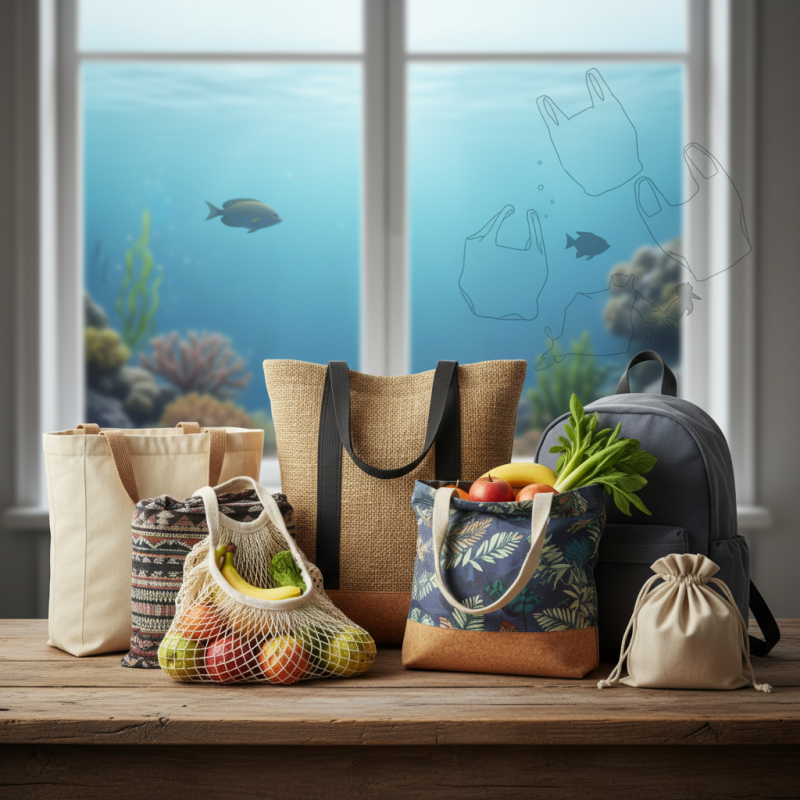
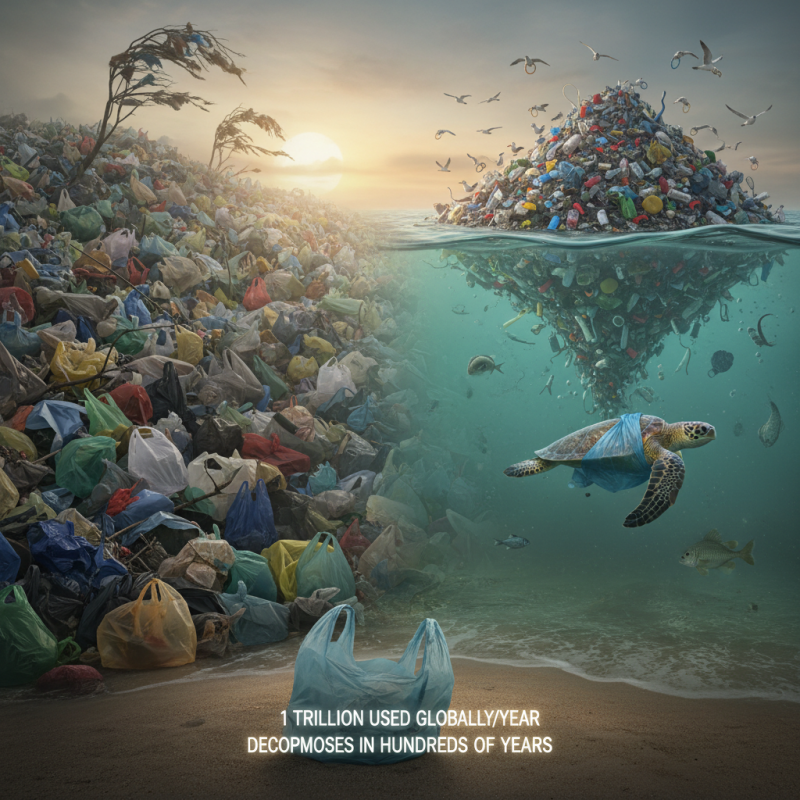
Plastic bags, often perceived as a convenient solution for carrying goods, have a detrimental impact on the environment and wildlife. According to a report by the United Nations Environment Programme (UNEP), an estimated 1 trillion plastic bags are used globally each year. These bags take hundreds of years to decompose, leading to the accumulation of waste in landfills and natural habitats. Unfortunately, only a small percentage of these bags are recycled; the majority end up polluting oceans and landscapes, posing severe risks to ecosystems.
The ramifications for wildlife are alarming. A study published in the journal Marine Pollution Bulletin reveals that over 1 million marine creatures and countless birds die annually after ingesting plastic or becoming entangled in it. Sea turtles, for instance, often confuse plastic bags for jellyfish, leading to fatal consequences. As plastic pollution continues to escalate, its potential to disrupt food chains and biodiversity is becoming increasingly evident. Transitioning to sustainable alternatives can significantly mitigate these harmful effects and help protect fragile ecosystems.
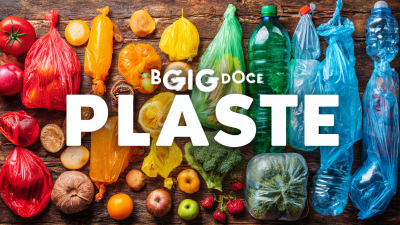
The use of plastic bags poses significant health risks that are often overlooked amidst the convenience they offer. According to a report from the World Health Organization (WHO), plastic bags can leach harmful chemicals into food products when used for grocery storage. Chemicals such as bisphenol A (BPA) and phthalates, commonly found in plastic materials, have been linked to various health issues, including endocrine disruption, which can lead to reproductive and developmental problems. A study published in the Journal of Environmental Health indicated that over 90% of plastic bags had detectable levels of these hazardous substances, raising concerns about their impact on human health.
Furthermore, the proliferation of plastic bags contributes to environmental pollution, which indirectly affects public health. The United Nations Environment Programme estimates that approximately 13 million tons of plastic end up in the oceans each year, leading to the degradation of marine ecosystems and the bioaccumulation of toxins in seafood. As these toxins enter the human food chain, they pose a risk to health, with potential links to cancers and neurodegenerative diseases highlighted in research conducted by the National Institutes of Health. These alarming statistics underscore the urgent need to phase out plastic bags in favor of sustainable alternatives that do not carry these health risks.
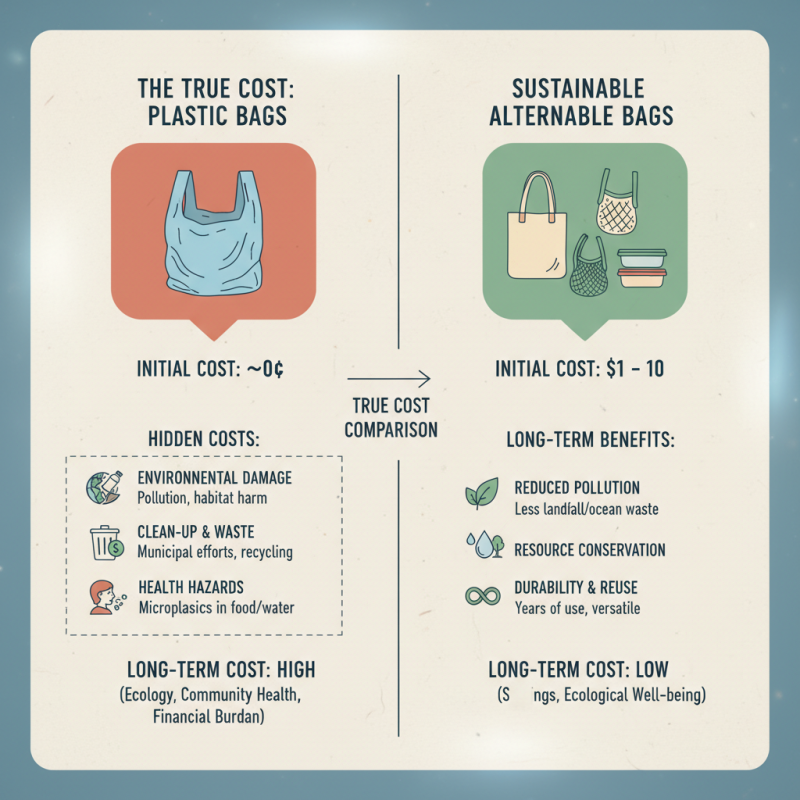
When comparing the cost of plastic bags to sustainable alternatives, initial impressions may suggest that plastic is the cheaper option. Indeed, the price of single-use plastic bags is often near zero in many grocery stores, appealing to consumers focused on immediate financial savings. However, this comparison overlooks the hidden costs associated with plastic waste, which includes the environmental impact and long-term ecological damage caused by plastic pollution. Communities often find themselves spending thousands on clean-up efforts, recycling campaigns, and addressing health hazards linked to plastic debris.
In contrast, sustainable alternatives, such as reusable cloth bags or biodegradable options, may have a higher upfront cost but offer greater value over time. Reusable bags can last for years if properly maintained, drastically reducing the need for repeated purchases of plastic bags. Furthermore, as awareness of environmental issues grows, many retailers are beginning to incentivize sustainability by offering discounts for customers who bring their own bags, effectively lowering the net cost. In the end, considering the overall lifecycle costs, sustainable alternatives not only contribute positively to the planet but also present a more economical choice in the long run.
When it comes to sustainable shopping, the benefits of using reusable bags are undeniable. Not only do these bags minimize waste and reduce your carbon footprint, but they also offer practicality and durability that conventional plastic bags cannot match. For instance, many people have embraced their favorite reusable totes, often spotted in grocery stores or on daily commutes, as they serve multiple purposes beyond just carrying groceries.
**Tips:** When selecting a reusable bag, aim for one that is both stylish and functional. Consider bags made from sturdy materials that can withstand regular use. Additionally, an insulated bag can keep your groceries fresh, especially if you're making multiple stops or traveling longer distances.
Incorporating reusable bags into your routine not only helps the environment but can also save you money in the long run. Many retailers offer discounts for customers who bring their own bags, helping you make a sustainable choice while also promoting a lifestyle that values eco-friendliness. So next time you shop, think about investing in a reliable tote that reflects your commitment to sustainability and practicality.
| Reason | Details | Environmental Impact | Cost Savings |
|---|---|---|---|
| 1. Reduces Plastic Waste | Switching to reusable bags drastically reduces the amount of plastic waste produced. | Helps combat ocean pollution and saves wildlife. | May lead to fewer purchases of plastic bags which can save money. |
| 2. Energy Efficient | Making reusable bags consumes less energy compared to the lifecycle of disposable plastic bags. | Reduces the carbon footprint associated with bag production. | Long-term savings as reusable bags last longer. |
| 3. Versatility | Reusable bags come in various sizes and designs for different needs. | Encourages multi-use beyond shopping, reducing overall waste. | Can be used for storage, travel, or as gifts. |
| 4. Supports Local Economy | Many reusable bags are made by local or smaller businesses, helping to support the local economy. | Promotes sustainable practices within the community. | Potentially less expensive than buying disposable bags repeatedly. |
| 5. Healthier Option | Reusable bags can be washed and sanitized, reducing bacteria transfer. | Encourages healthier food choices by avoiding contaminated bags. | Can save money on health-related costs due to better hygiene. |
| 6. Long Lasting | Unlike plastic bags, reusable bags are designed for long-term use. | Reduces the need for frequent replacements. | Saves money in the long run by avoiding constant repurchases. |
| 7. Aesthetically Pleasing | Available in numerous colors, patterns, and styles. | Encourages usage through personal style choices. | Adds personal flair to shopping experiences. |
| 8. Encourages Responsible Consumption | Promotes thoughtfulness about the impact of consumer choices. | Fosters a culture of sustainability. | Potential savings linked to making conscious purchasing decisions. |
| 9. Easy to Carry | Most reusable bags are lightweight and easy to fold. | Convenient for day-to-day carry and reduces strain. | Saves costs associated with delivery or transport of goods. |
| 10. Community Impact | Inspires others to follow sustainable practices through community initiatives. | Strengthens community efforts for a healthier planet. | Potential savings from community programs that support sustainability. |
The growing awareness of environmental issues has led to innovative sustainable alternatives to plastic bags, crucial in reducing plastic pollution. A notable development comes from the project in Misiones, where researchers are utilizing cassava starch to create biodegradable bags. These bags break down faster through the action of microbes such as bacteria, fungi, and algae, converting into natural substances like water, carbon dioxide, and biomass. This advancement highlights the potential for renewable materials to replace traditional single-use plastics, addressing the pressing concern of plastic waste.
Moreover, the reusable packaging market is projected to expand significantly, with its value soaring from $2.4 billion in 2024 to an anticipated $6.45 billion by 2035, reflecting an annual growth rate of 9.42%. Companies are increasingly adopting sustainable packaging trends, actively participating in the transition towards a circular economy. By promoting the use of recyclable materials and optimizing packaging solutions, businesses can work towards minimizing their environmental impact and achieving sustainable development goals, further emphasizing the importance of adopting these innovative alternatives to traditional plastic bags.