What Is Pouch Packing and How Does It Work?
Pouch Packing is a flexible packaging method that forms, fills, and seals products inside pre-made or roll-fed pouches. It appears simple. The machine must still control several precise steps. Film alignment, filling accuracy, sealing temperature, and production speed all affect the final package.
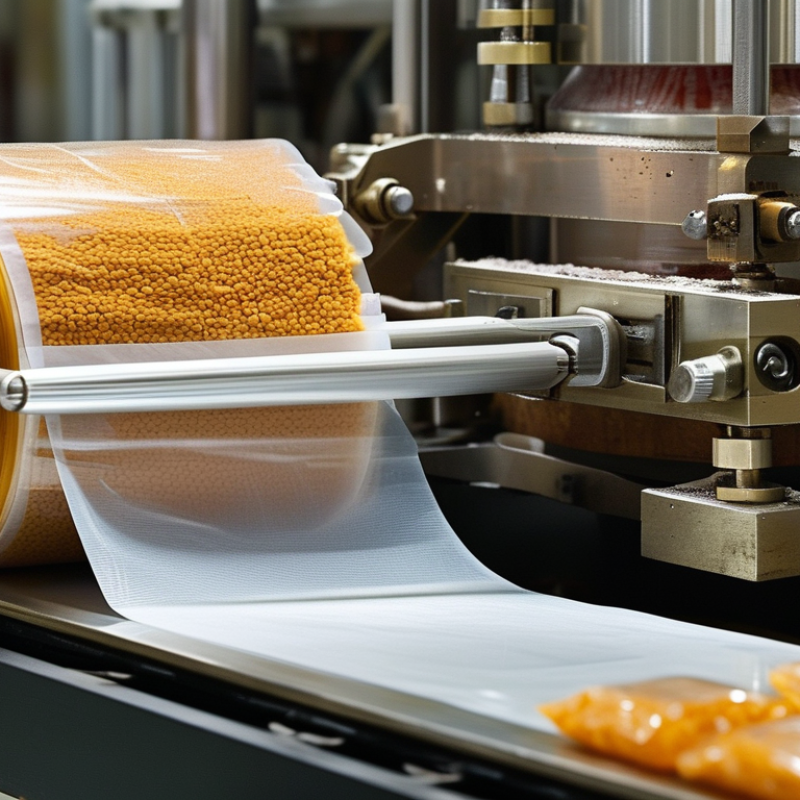
In a typical system, packaging film moves through forming collars, sensors, filling stations, and heated sealing jaws. The machine creates a pouch shape, adds the measured product, removes excess air when required, and closes the top seal. Powder, liquid, granules, snacks, pet food, and household products may use different pouch structures. A liquid pouch needs stronger leak protection. A powder pouch needs careful dust control.
According to Alison Keane, former president and CEO of the Flexible Packaging Association, “Flexible packaging uses fewer resources than many other packaging formats.” This observation explains part of Pouch Packing’s appeal. Pouches can be lightweight, space-efficient, and convenient to transport. However, the result depends on material selection and machine settings. A cheaper film is not always the better choice. That lesson is easy to miss.
Operators commonly inspect seal width, pouch appearance, weight consistency, and leakage. They also check whether the package opens as intended. Small wrinkles can become serious sealing defects. Moisture, heat, and product residue may interfere with closure. Pouch Packing is efficient, but it is not automatic perfection. Reliable results require testing, maintenance, and practical judgement from experienced packaging teams.
Pouch Packing Defined: Formats, Materials, and Key Industry Data
What Is Pouch Packing and How Does It Work?
Pouch packing uses flexible film to hold, protect, and dispense products. Common formats include stand-up pouches, flat sachets, spouted pouches, and retort pouches. Each format serves a different handling need. Stand-up designs suit shelves, while flat sachets reduce shipping volume. Spouted versions support controlled pouring. Retort pouches use heat-resistant structures for shelf-stable foods.
Materials usually combine several layers. A sealant layer closes the pouch. A barrier layer limits oxygen, moisture, or light. The outer layer supports printing and handling. During production, printed film is laminated, formed, filled, and heat-sealed. Machines check seal temperature, pressure, and dwell time. Small defects matter. A weak seal can cause leakage, contamination, or product loss.
Industry data shows why this format keeps expanding. Smithers’ The Future of Flexible Packaging to 2028 valued the global flexible packaging market at about $201.8 billion in 2023. The Flexible Packaging Association’s 2024 industry report placed U.S. flexible packaging sales near $40 billion in 2023. These figures include more than pouches, but they show strong market scale. Still, material selection needs more thought. A lighter pack is not automatically a better pack. Recycling access, barrier performance, filling efficiency, and product shelf life must be assessed together. Regional collection systems can also change the result. That part remains easy to overlook.
How Pouch Packaging Works: Product Filling, Air Removal, and Sealing
Pouch packing combines controlled filling, air removal, and heat sealing in one compact process. The Flexible Packaging Association reported approximately 40.6 billion dollars in U.S. flexible packaging sales in 2023. That scale reflects strong demand for lightweight, space-efficient formats. It also raises expectations for consistent production.
The machine first opens each pouch and positions it beneath a filling nozzle. Powder, liquid, or solid products must enter at a measured speed. Excessive speed can create splashing, dust, or uneven weight. Product consistency matters. Sensors typically check fill levels before sealing. Air removal follows. A vacuum system extracts trapped air, while gentle compression helps settle the contents. This step can improve appearance and reduce package volume. However, too much vacuum may deform the pouch or damage delicate products.
Seal quality matters. Heated jaws press the pouch layers together for a controlled dwell time. Temperature, pressure, and sealing time must match the film structure. The Packaging Machinery Manufacturers Institute identifies flexible packaging as a continuing area of machinery investment, especially where automation improves accuracy and reduces material waste. In real production, operators still inspect seal wrinkles, contamination, and weak corners. A clean seal is not guaranteed. Even a tiny product particle can create a leak path. Testing with burst, peel, and leak methods helps verify performance, although no single test reveals every failure.
How Pouch Packing Works
Typical cycle-time ranges for three core pouch-packing operations are shown below. Actual timing varies with pouch size, product type, filling volume, machine speed, and sealing material.
Filling: The measured product portion is introduced into the pouch. Air removal: Air is displaced or extracted from the headspace to reduce trapped oxygen and improve package stability. Sealing: Heated sealing jaws close the pouch and create an airtight seal.
Pouch Packing Performance: Speed, Barrier Protection, and Market Uses
Pouch packing uses flexible film to create, fill, and seal individual packages. A typical machine unwinds film, shapes it into a pouch, and adds the product. Heat seals close the edges, while sensors check position and fill accuracy. Some systems use pre-made pouches instead.
Speed depends on the product, pouch size, and sealing method. Dry powders may require careful control because dust can weaken seals. Liquids need accurate filling to prevent spills around the sealing area. Modern equipment can process hundreds of pouches per minute, but maximum speed is not always the best target. A slower, stable line may reduce waste and downtime.
Barrier protection is another major performance factor. Films can resist moisture, oxygen, light, or odors when properly selected. For example, a snack pouch may need strong moisture protection, while a coffee pouch may require oxygen control. Seal quality matters as much as the film itself. Small wrinkles, trapped product, or uneven heat can create hidden leaks. Operators should test seals during production, not only at the end.
Pouch packing serves food, personal care, household, agricultural, and medical-related markets. It supports single-use portions, refill packs, and lightweight shipping formats. The lower material weight can improve transport efficiency, although recycling remains difficult for some multilayer films. This is an area that deserves more honest evaluation. Pouches are convenient, but convenience alone does not prove sustainability.