How to Choose the Best Polythene Bags for Your Business?
Choosing the right polythene bags for your business is crucial. The global polythene bag market was valued at around $24 billion in 2020, with a projected CAGR of 4.8% through 2028. This growth indicates a rising demand for efficient packaging solutions. Polythene bags are not only cost-effective but also versatile, catering to various industries, from retail to food service.
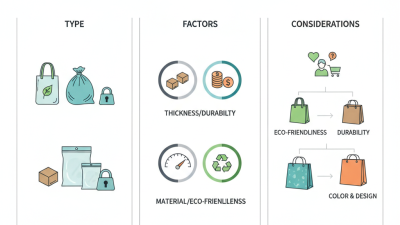
However, with countless options, how can one select the best? Factors like size, thickness, and eco-friendliness are vital. A report by Grand View Research highlights that consumers increasingly prefer sustainable packaging. Failure to adapt could mean losing market share. Many businesses overlook these aspects, only to realize their choice affects customer satisfaction.
Additionally, poor-quality polythene bags can lead to dissatisfaction and returns. It's essential to balance cost with quality. Some manufacturers claim excessive durability but might compromise on environmental impact. Verify each supplier's credentials and seek third-party certifications. Ultimately, making an informed decision regarding polythene bags influences not just your company’s image but also its sustainability goals.
Understanding the Types of Polythene Bags Available for Businesses
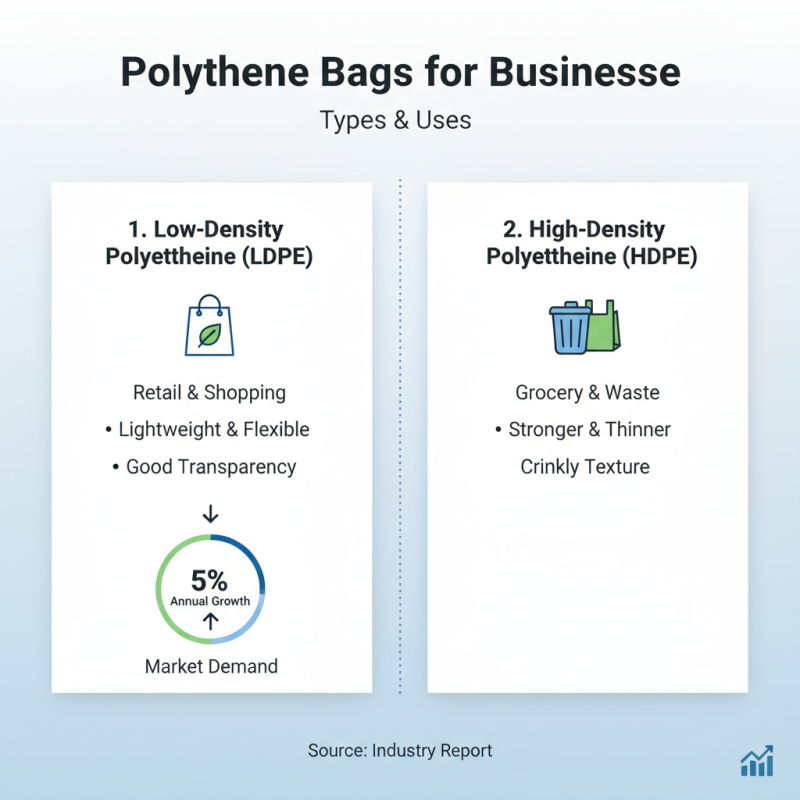
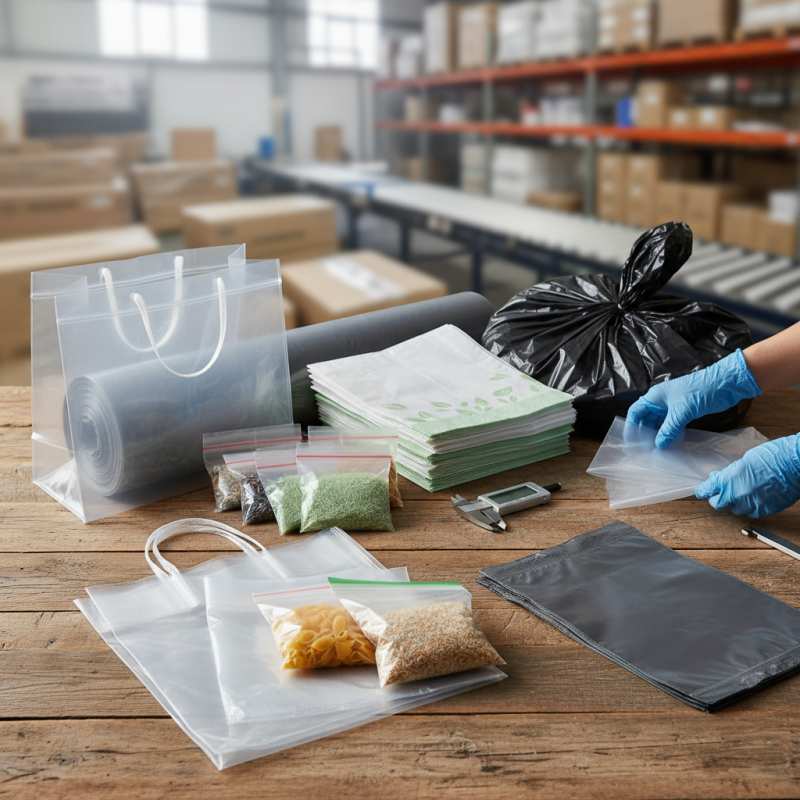
Understanding the different types of polythene bags is crucial for businesses. Polythene bags come in various forms, with different thicknesses and uses. For instance, low-density polyethylene (LDPE) bags are commonly used for retail purposes. They are lightweight, flexible, and provide good transparency. According to a recent industry report, the demand for LDPE bags is estimated to grow by 5% annually.
High-density polyethylene (HDPE) bags are another option. They are thicker and more robust than LDPE bags, making them suitable for carrying heavier items. However, they are less flexible. Research shows that HDPE bags account for approximately 30% of the market share in the polythene bag industry. Businesses must consider their specific needs when selecting the right type of bag.
Conducting a proper needs assessment can reveal gaps in packaging strategies. For instance, some businesses may overlook eco-friendly options, despite growing consumer demand for sustainable packaging. While polythene bags offer convenience, companies must reflect on their environmental impact. Reports indicate that around 50% of consumers are inclined to shift towards brands that prioritize sustainability. Businesses may need to adapt to this changing landscape to remain competitive.
Evaluating the Environmental Impact of Polythene Bags
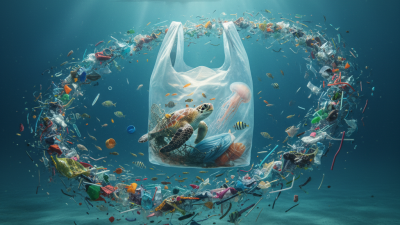
When evaluating the environmental impact of polythene bags, it's essential to consider their longevity versus biodegradability. Polythene bags can take hundreds of years to decompose, contributing to landfill waste. They are lightweight and easily carried, which encourages overuse and disposal. Many businesses rely on these bags for their durability and versatility. Yet, the environmental cost cannot be ignored.
Tips for your business: Consider sourcing biodegradable polythene options. These can break down more quickly in the right conditions. Educating customers about responsible disposal is crucial. Encourage them to recycle or reuse bags rather than discarding them.
Another factor is production waste. The manufacturing process itself can generate pollution. Understanding the supply chain can help identify more eco-friendly suppliers. Aim for transparency in your sourcing practices. This not only builds trust but also shows commitment to sustainability.
Remember, businesses must balance convenience with environmental responsibility. There is always room for improvement. Evaluate your current practices regularly and seek innovative solutions that minimize your ecological footprint. Making small changes can lead to significant impact over time.
Assessing Durability and Strength in Polythene Bags
When selecting polythene bags for your business, assessing durability and strength is essential. These bags come in various thicknesses, measured in microns. A thicker bag typically offers more strength. However, not all thick bags are created equally. Materials can vary, affecting the bag's resistance to tearing. It's crucial to understand these details when making your choice.
You should also consider the intended use of the bags. For heavy items, choose bags designed for strength. Some bags resist punctures better than others. Testing different options will reveal their limits. Remember, a bag that holds up under heavy use today may not do so tomorrow. Pay attention to wear and tear. Any weakness can lead to costly returns or damaged goods.
Evaluate supplier standards, as not all manufacturers share the same quality assurance. Some may cut corners to reduce costs, resulting in subpar products. Prioritizing reliable suppliers can save you from potential issues later. Involving your team in this selection process may bring valuable insights. Collective experiences can highlight strengths and weaknesses you might overlook.
Determining the Right Size and Design for Your Needs
Choosing the right size and design for polythene bags can significantly impact your business. Measurement is crucial. The size must accommodate your products without excessive space. For example, a bulky product may require a thicker, larger bag, while smaller items need compact packaging. Consider dimensions carefully. Measure your items accurately before selecting a bag.
Design elements also play a vital role. A clear bag allows visibility, while colorful prints can enhance brand awareness. However, simplicity often stands out. Too many graphics may confuse customers. Your design should reflect your brand's identity and values. Colors should resonate with your target audience. Gather feedback on design choices before finalizing them.
Reflect on your choices often. Customer preferences can change. Experiment with different sizes and designs. Testing multiple options can reveal what resonates best. Choose bags that are easy to handle. A complicated design might frustrate customers. Ultimately, your aim is to create a positive experience while effectively showcasing your products.
Cost Analysis: Budgeting for Polythene Bags in Your Business
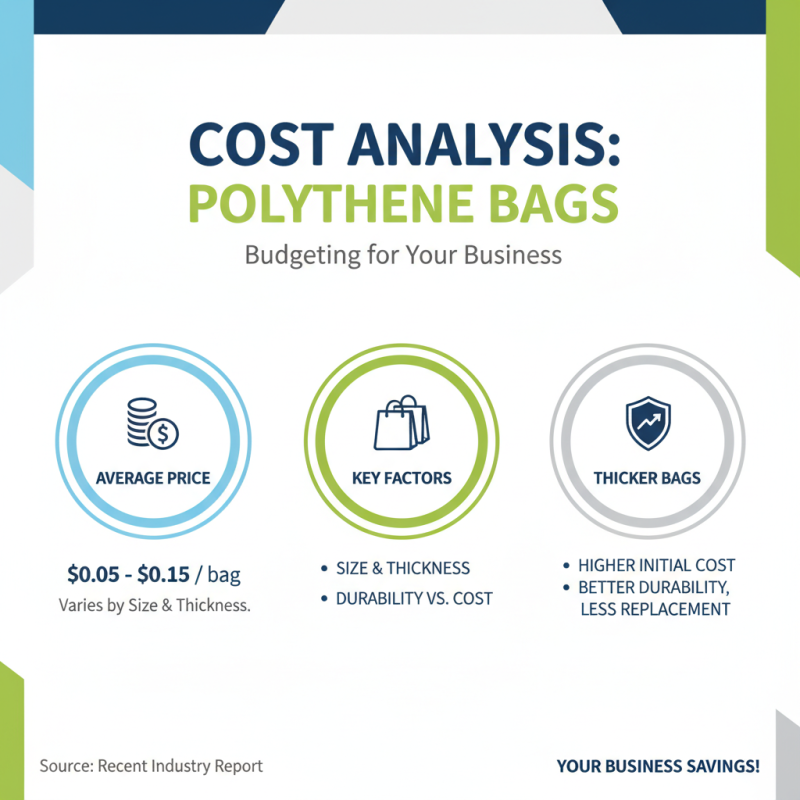
When budgeting for polythene bags, businesses should consider various factors impacting costs. A recent industry report indicates that the average price of polythene bags ranges between $0.05 and $0.15 each, depending on size and thickness. This variation can significantly affect a company’s overall expenses. Choosing the right thickness is crucial. Thicker bags might cost more initially, but they also provide better durability and can reduce the need for replacements.
Companies often overlook hidden costs associated with polythene bags. For instance, transportation and storage should not be underestimated. According to a study by the Packaging Association, logistics can account for up to 25% of the total cost. Unexpected fees can arise as well, especially during peak seasons when demand surges. Additionally, there are eco-friendly options that may appear expensive upfront, but they could attract eco-conscious consumers and enhance brand image.
It's essential to analyze the return on investment with polythene bags. While some businesses may opt for the cheapest options, quality often leads to higher customer satisfaction. A durable bag can elevate user experience, thereby encouraging repeat purchases. Reviewing your current bag procurement process could unveil areas for cost savings. Some companies may find that streamlining supply chains or negotiating bulk orders could provide better budgetary outcomes.