Why is Plastic Packaging Harmful to the Environment?
Plastic packaging is everywhere in our daily lives. It wraps our food, secures our products, and adds convenience. However, the environmental impacts of plastic packaging are alarming. Millions of tons of plastic waste end up in our oceans and landfills every year. Single-use plastics contribute significantly to this issue.
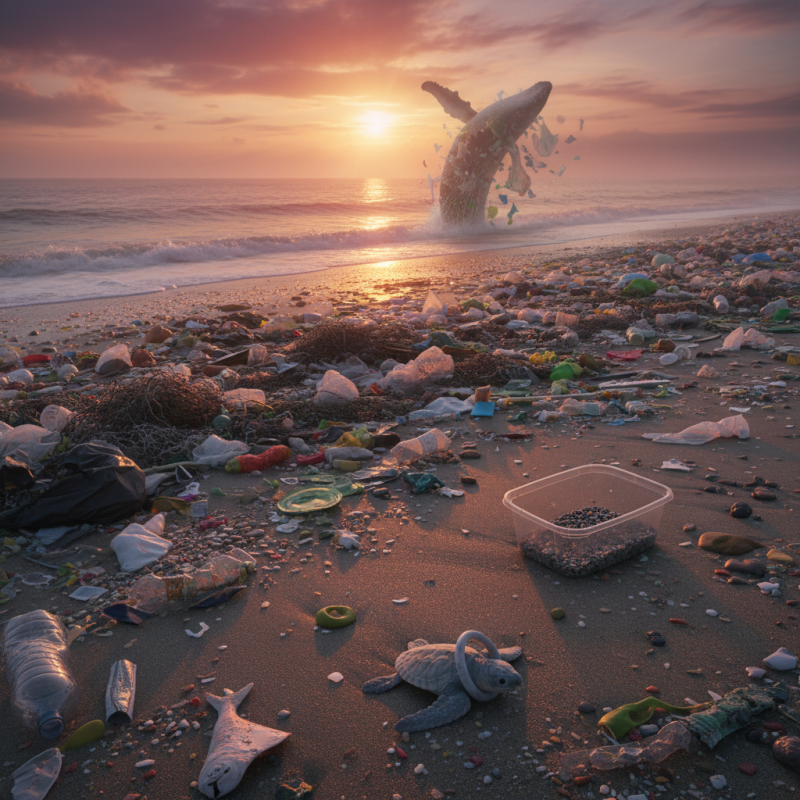
Plastic packaging takes hundreds of years to decompose. During this time, it breaks down into microplastics, which contaminate soil and waterways. Marine life mistakenly consumes these tiny particles, harming ecosystems. The effects ripple through the food chain, affecting humans too.
We often overlook the role we play in this problem. Choosing products with plastic packaging is easy. Yet, we must consider the long-term consequences. Reducing our reliance on plastic packaging is crucial for a healthier planet. Awareness and action are essential to tackle this growing crisis.
Impact of Plastic Packaging on Ecosystems
Plastic packaging poses a significant risk to ecosystems worldwide. Once discarded, plastic often ends up in oceans and rivers. Marine animals mistake plastic for food. Turtles, fish, and birds consume these materials, leading to dire consequences. Larger pieces of plastic can entangle creatures, causing injury or death.
Land ecosystems also suffer from plastic waste. Plastic debris breaks down into microplastics, which infiltrate soil and waterways. These tiny particles enter the food chain, impacting plants and animals. Chemicals in plastic may leach into the environment, disrupting delicate ecosystems.
It is troubling that recycling rates remain low. Many people do not properly dispose of plastic, allowing it to accumulate. Educational initiatives are crucial. We must rethink our reliance on plastic packaging. Each choice we make can either harm or help our planet.
Degradation and Longevity of Plastic Materials
Plastic materials are notorious for their longevity in the environment. Many types of plastic can take hundreds of years to decompose. This persistence leads to significant accumulation in oceans, soil, and landscapes. When plastic waste breaks down, it doesn't vanish completely. Instead, it fragments into microplastics, which pose a threat to wildlife and ecosystems.
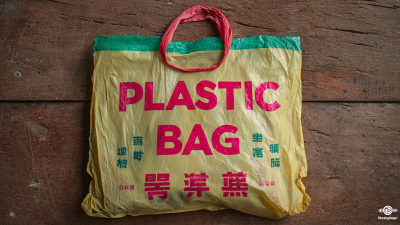
Degradation of plastic is influenced by various factors, such as sunlight and heat. However, these processes can still take a long time. For instance, a plastic bag may not fully decompose for up to 500 years. This makes plastic a problematic choice for single-use items. As plastic waste increases, many wonder if we can ever truly manage it. The issue compels reflection, as recycling alone does not solve the problem.
Microplastics now infiltrate our food chain and water sources. The impacts are largely invisible but far-reaching. Additionally, the production of plastic creates pollution. These realities challenge our perception of convenience. Ultimately, the longevity of plastic materials reveals a troubling paradox in modern consumption.
Effects of Microplastics on Wildlife and Human Health
Microplastics have infiltrated every corner of our environment. According to a study by the United Nations, over 80% of marine debris is plastic. These tiny particles, often less than 5mm in size, originate from larger plastic waste breaking down. They are now found in oceans, rivers, and even the air we breathe. Wildlife mistakenly ingest these microplastics, thinking they are food. Research shows that fish and seabirds consume them, leading to severe health issues.
The implications for human health are alarming. A report by the World Health Organization indicated microplastics have been detected in drinking water. Studies reveal that these particles can enter human organs, affecting the immune system. The adverse effects include inflammation and potential toxicity. What’s serious is the lack of comprehensive research on long-term impacts. The reality is, we may be eating and drinking microplastics more than we realize. The food chain is now intertwined with plastic pollution.
Neglecting this issue creates a troubling cycle. Our ongoing dependence on plastic products exacerbates the situation. As consumption continues, the environment pays the price. With more than 100 million tons of plastic produced each year, finding alternatives becomes urgent. Society must rethink its approach to plastic usage and waste. The future of wildlife and human health hangs in the balance.
Impact of Microplastics on Wildlife and Human Health
Challenges in Recycling Plastic Packaging
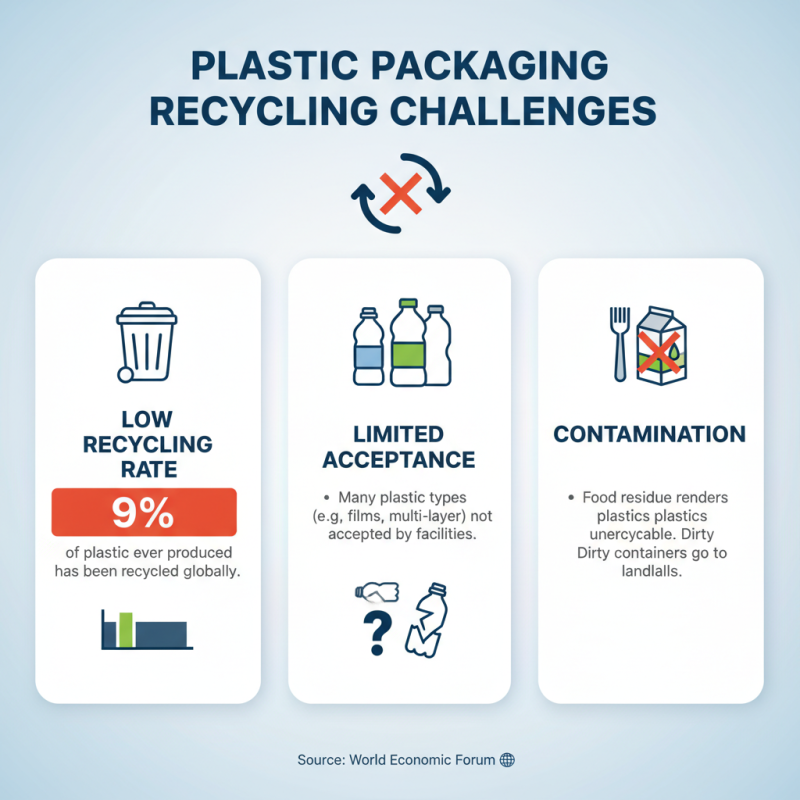
Plastic packaging poses a significant challenge for recycling efforts globally. According to the World Economic Forum, only 9% of plastic waste ever produced has been recycled. This statistics highlights a critical issue in recycling infrastructure. Many types of plastic aren’t accepted by traditional recycling facilities. Contamination from food residue complicates the process, as dirty containers often end up in landfills.
Additionally, the varying types of plastics can confuse consumers and recyclers alike. The number of different plastic codes can overwhelm people. In 2020, a report from the Ellen MacArthur Foundation showed that 1 million single-use plastic bottles are purchased every minute. Most of these end up as waste, further stressing our recycling systems.
Innovations in recycling technologies are emerging but often lack funding and support. Research shows that less than 15% of global plastic packaging is recycled properly. This leaves many materials unjustifiably wasted. The need for improved consumer education and more efficient systems is clear. Recycling practices must evolve to keep pace with production rates. Otherwise, the environmental impact remains dire and unresolved.
Alternatives to Plastic Packaging and Their Benefits
Plastic packaging is a significant environmental issue. Many companies now explore alternatives that minimize harm.
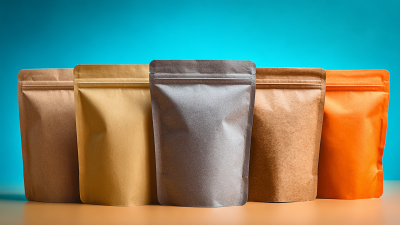
Reusable containers are one exciting option. They reduce waste and can last for years. Consumers can carry their own bags and containers for shopping.
This simple change can make a big difference.
Biodegradable materials are another effective alternative. These can break down naturally, reducing landfill contributions.
Composed of plant-based substances, they help lessen plastic pollution.
One downside is they may not always be as durable as plastic.
Some people may need to remember to dispose of them properly.
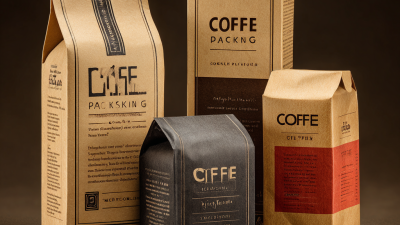
Additionally, paper and glass packaging offer benefits. Paper is recyclable and can come from sustainable sources.
Glass, though heavier, is reusable and recyclable. Yet, they can also generate carbon emissions during production.
The challenge lies in balancing convenience and environmental impact.
Each choice requires thoughtful consideration.
Embracing these alternatives facilitates a tangible shift.