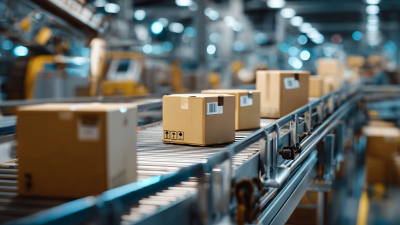
What is Global Packing and Why It Matters for Buyers?
In today's interconnected marketplace, understanding "Global Packing" is crucial for buyers. This concept refers to the standardized packaging methods used across international borders. Proper global packing ensures products reach consumers in perfect condition. It minimizes damage during transit, which can lead to significant losses for businesses.
Buyers often overlook the importance of packaging when sourcing products globally. However, inadequate packing can result in delays and increased shipping costs. It's essential to consider not just the product, but also how it will be packed. Quality packaging materials can enhance the buyer's reputation and customer satisfaction.
There are challenges in global packing that require reflection. Different countries have varying regulations and standards. Navigating these requirements can be complicated. Buyers should stay informed and work with reliable partners. Emphasizing effective global packing strategies can ultimately lead to business success in a competitive environment.
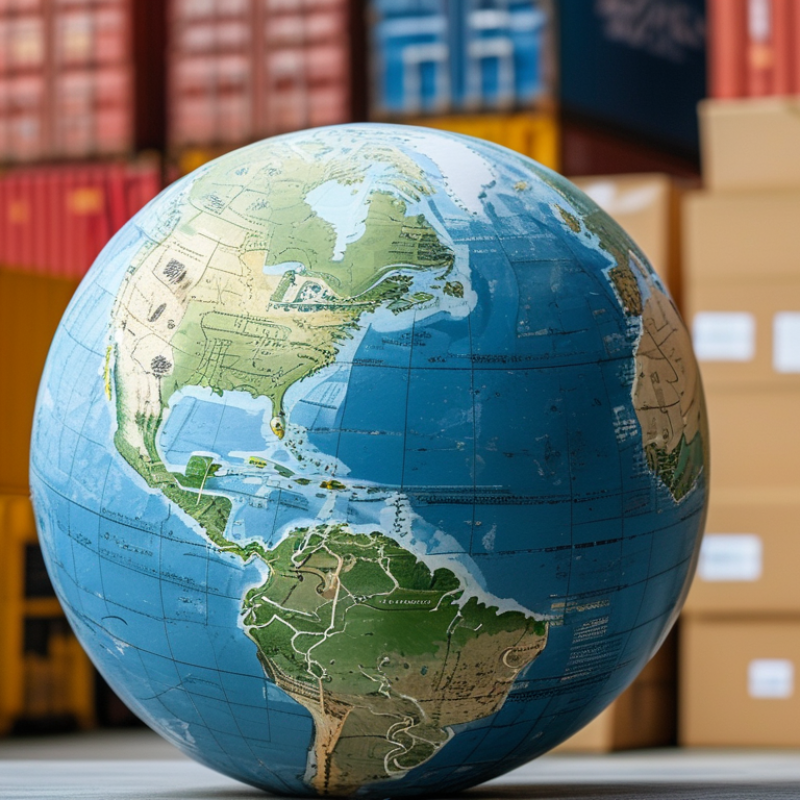
What is Global Packing in the Context of International Trade?
Global packing plays a crucial role in international trade. It encompasses the methods and materials used to protect goods during transit across borders. According to a report from the International Trade Centre, an estimated 20% of goods are damaged due to inadequate packing. This statistic underscores the importance of investing in proper packing solutions.
Buyers must consider various packing options. The right choice depends on the nature of the goods being shipped. For fragile items, cushioning materials like bubble wrap or foam are essential. In contrast, bulk products may require sturdy pallets or crates. Each type of packing incurs different costs. The complexity of customs regulations adds another layer. Mispacked items can lead to unexpected tariffs or shipment delays.
Furthermore, sustainability is an increasing concern. A 2021 survey revealed that 67% of consumers prefer eco-friendly packaging. This trend forces buyers to rethink packing materials. Reusable and biodegradable options are becoming popular, but they often come with trade-offs. Balancing cost and environmental impact remains a challenge for many businesses.
Key Components and Strategies of Effective Global Packing
Effective global packing is crucial for buyers aiming to ensure product safety during transit. The first step involves selecting appropriate packaging materials. Use robust, durable materials that can withstand different shipping environments. You might consider environmentally friendly options that also offer protection. This choice not only protects goods but enhances your brand’s image.
Next, consider proper labeling. Clear, accurate information on packages fosters smooth customs clearance. Include handling instructions, which can reduce damage risks. Use barcodes to improve tracking. Errors in labeling can lead to costly delays. It's essential to prioritize accuracy and clarity in this phase.
Lastly, focus on strategic packing techniques. Employ methods like cushioning for fragile items. This minimizes movement during transport. Regularly reassess your packing processes. What works today might not fit tomorrow's challenges. Flexibility is key. Engage in feedback loops with your logistics partners. This continual improvement will refine your packing strategies for better outcomes.
The Role of Global Packing in Supply Chain Efficiency
The role of global packing in supply chain efficiency cannot be overstated. Properly designed packaging reduces waste, lowers shipping costs, and enhances product protection. It ensures that goods reach their destination intact and on time. A well-thought-out packing solution can also minimize the carbon footprint of transportation.
However, not all packing methods are equal. Some companies still use excessive materials, leading to increased costs and environmental impact. For example, oversized boxes can waste space in shipping containers. This inefficiency can disrupt the entire supply chain, causing delays and unexpected expenses. Reflecting on these practices is crucial for improvement.
Efficient global packing can also facilitate easier tracking of products. With the rise of technology, smart packaging solutions offer real-time updates. Yet, businesses must carefully evaluate their choices. Overlooking this aspect can hinder overall logistics performance. A balance between innovation and practicality is essential for long-term success.
Impact of Global Packing on Cost Management and Sustainability
Global packing significantly influences cost management and sustainability for businesses worldwide.
Proper packing methods can optimize shipping costs. Efficient packing reduces the volume of goods transported, which directly lowers transportation expenses.
It also minimizes the need for excess packaging materials, ultimately leading to less waste.
Tips: Consider using biodegradable materials. They are often more sustainable, yet may have a higher initial cost.
This trade-off might be worth considering for long-term savings and environmental impact.
Sustainability does not only concern materials. It involves the entire supply chain. Companies must reflect on how their packing choices affect the environment.
Overpacking items contributes to increased carbon footprints. It invites the question:
is the convenience of excess packaging worth the environmental toll?
Tips: Analyze your packing processes regularly. Look for areas to cut down on unnecessary materials.
Streamlining these processes not only saves costs but also enhances your brand's reputation regarding sustainability.
Best Practices for Buyers in Implementing Global Packing Solutions
Global packing involves standardizing packaging solutions across different markets. It ensures products are delivered efficiently while maintaining quality and reducing costs. For buyers, implementing global packing solutions can streamline operations. However, challenges exist in navigating diverse regulations and consumer preferences.
One best practice is to conduct thorough research before deciding on packaging types. Understand local requirements, such as recycling rules or material restrictions. Engage with local experts who can provide insights into cultural expectations. This approach minimizes risks associated with non-compliance and customer dissatisfaction.
Another key point is to remain flexible. Market demands can shift rapidly, and a rigid strategy may lead to missed opportunities. Regularly reviewing packing solutions helps in adapting to these changes. Feedback loops, where buyer and seller communicate openly, can foster improvement. By being open to experimentation, buyers can refine their global packing processes for better results.