Choosing the best Plastic Pouches starts with the product, not the pouch’s appearance. A coffee pouch may need a strong aroma barrier, while a frozen-food pouch must tolerate cold storage and handling. For each option, compare barrier performance, seal strength, filling-line compatibility, opening features, and disposal instructions. A pouch that looks convenient on a shelf can still fail if its seal leaks or its material does not suit local recovery systems.
The scale of the market makes these choices significant. The Flexible Packaging Association’s 2023 State of the U.S. Flexible Packaging Industry report put U.S. industry sales at $42.9 billion in 2022. That figure describes the wider flexible-packaging sector, not pouch sales alone. Still, it shows why buyers should ask suppliers for product-specific test data rather than rely on broad marketing claims. Packaging expert Ellen MacArthur has urged people to “fundamentally rethink the way we make, use and reuse plastics.” Her point matters here: protection and convenience are only part of the decision.
There is no universal winner. A high-barrier laminate may protect a sensitive product well, yet be difficult to recycle in some regions. A simpler structure may suit one product and fail another. That trade-off deserves a closer look. The guide ahead compares common pouch types, their strengths, and the practical questions buyers should ask before choosing one.
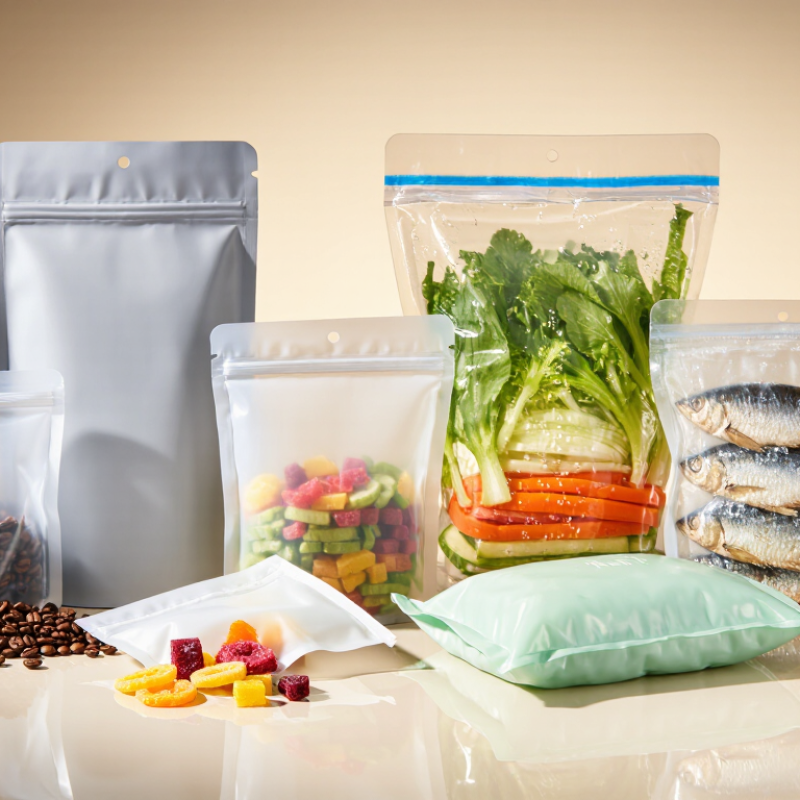
Start with the product, not the pouch shape. Is it powder, liquid, or a sharp-edged snack? Each creates different risks. Powder can leak through weak seals, while oily foods may interact with unsuitable inner layers. Note the product’s moisture, oxygen, light, and aroma sensitivities. Then define its expected shelf life and storage conditions.
Consider how the pouch will be filled and handled. Record the filling temperature, line speed, and available sealing area. A pouch that works by hand may wrinkle or seal poorly on a fast machine. Add practical details: required capacity, opening style, and whether customers need a resealable closure. Small details matter. Measure the filled pouch, not just the empty sample, and check how it stands or fits into a shipping carton.
Choose materials around those needs, while weighing barrier performance against recyclability goals. A simpler material structure may suit some products, but it may not protect every product equally well. Don’t assume a supplier’s specification guarantees performance in your own conditions. Test samples with the actual product, then inspect seals after filling, storage, and rough handling. A drop test can expose weak corners. One round of testing may still miss seasonal changes or long storage periods, so revisit the specification when the product or process changes.
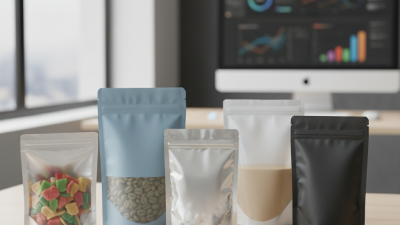
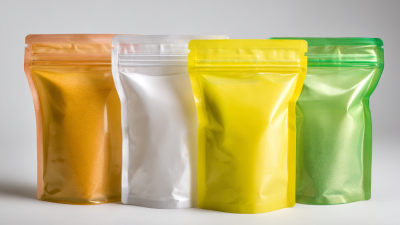
Stand-up pouches work well for dry snacks, coffee, and lightweight pet treats. Their flat bottoms help them stay upright on shelves, while resealable zippers suit products opened over several days. For powders or small portions, three-side-seal pouches use less material and fit neatly into cartons. They offer less shelf presence, though.
Choose barrier features to match the product, not just its appearance. Foil or metallized layers can help protect light- and oxygen-sensitive foods, while clear windows show off nuts or dried fruit. Liquid products need sturdy seals and films designed to resist leaks; a spout can make pouring easier. Frozen foods often benefit from flexible, puncture-resistant material. There is no perfect pouch. A glossy finish may look appealing but can hide whether the film suits storage conditions. Test filled samples for sealing, handling, and shelf-life needs before ordering a large run.
Tips: Match pouch size to the actual fill, leaving room for sealing. Check compatibility with filling equipment, too. Small details matter. A zipper can improve convenience, but it does not replace a secure heat seal.
Plastic pouches protect products through layers, and each layer has a different job. A PET outer layer can provide stiffness and a clear surface for printing. A PE inner layer often forms the heat seal and helps resist moisture. Nylon can improve resistance to punctures, which matters when sharp edges press against the pouch. Small details matter.
For products sensitive to oxygen, moisture, or light, a higher-barrier structure may slow quality loss. EVOH can reduce oxygen transmission, while opaque or specially treated layers can limit light exposure. But barrier performance depends on the full pouch, including seals, folds, and closures. A tiny channel in a seal can undo the benefit of an advanced film. Not always obvious.
Shelf life also depends on the product, filling conditions, storage temperature, and handling. A pouch that works well for dry snacks may not suit a moist product or one with sharp pieces. Thicker film is not automatically better; it can add cost and material without solving the real risk. It is worth testing the actual product in the chosen pouch, then checking seals and product quality over time. Even careful testing has limits, so storage conditions should be considered too.
How pouch materials affect oxygen protection and shelf life
Lower oxygen transmission generally means better protection from oxygen-related quality loss. These approximate, representative values are for common film structures under dry test conditions at 23°C; actual performance varies with material grade, thickness, humidity, and pouch seals. An aluminum-foil laminate provides a very high oxygen barrier, while PET and nylon offer more moderate barriers. Oxygen transmission alone does not determine shelf life: moisture sensitivity, light exposure, product properties, and seal integrity also matter.
Choosing a pouch closure starts with the user’s hands and the product inside. Press-to-close zippers suit snacks used over several days, while sliders are easier to grip with wet or tired fingers. Small details matter. A tear notch should open cleanly without cutting into the seal. For powders or liquids, a well-positioned spout can reduce spills, but it may add material and complicate recycling.
The Flexible Packaging Association’s 2023 industry report put U.S. flexible-packaging sales at $42.9 billion for 2022, about 21% of the packaging market. That scale makes closure performance a practical design concern. Ask suppliers to test seal strength, opening force, and repeated closure under realistic storage conditions. ASTM F88/F88M provides a method for measuring flexible-package seal strength. OECD’s 2022 Global Plastics Outlook reported that just 9% of global plastic waste was recycled in 2019. A closure made from a resin compatible with the pouch may help, but local sorting systems matter too. One awkward trade-off: the most convenient feature is not always the easiest to recycle.
Compare pouch options using the same product, fill weight, and shelf-life target. A low quote may hide added costs from thicker films, extra barrier layers, zippers, or slower filling-line speeds. Ask suppliers for material specifications, then test seals and drop resistance with a small production run. Test it first. A pouch that leaks or fails during filling can erase savings quickly.
Use the product’s needs to guide material choice. Moisture-sensitive snacks may need stronger barriers than dry goods with short shelf lives. But more layers can complicate recycling. The United Nations Environment Programme’s 2023 report estimates packaging accounts for 36% of global plastic production. That figure covers packaging broadly, not pouches alone. Still, it shows why material choices matter.
Disposal depends on local collection and sorting systems, not just a recycling label. The OECD’s Global Plastics Outlook reports that only 9% of plastic waste was recycled globally in 2019. Ask whether a pouch’s materials are accepted where customers live, and check for local drop-off requirements. A mono-material design may simplify recycling in some systems, but availability varies. That assumption deserves a second look. Compare realistic disposal routes alongside cost, barrier performance, and filling-line compatibility.