Why Choose Plastic Pouches for Your Packaging Needs?
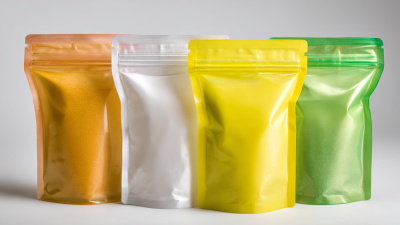
Plastic pouches have gained prominence in the packaging industry due to their versatility and efficiency. According to a recent report from Smithers Pira, the flexible packaging market is expected to reach $300 billion by 2025. Among various options, Plastic Pouches are leading this trend, favored for their lightweight and durable properties. Industry expert Dr. Emily Hart states, "Plastic pouches offer a modern solution, combining sustainability with consumer convenience."
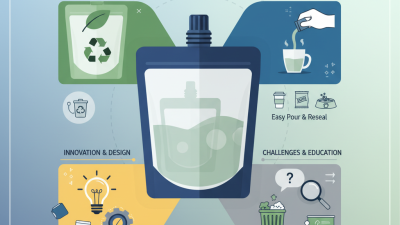
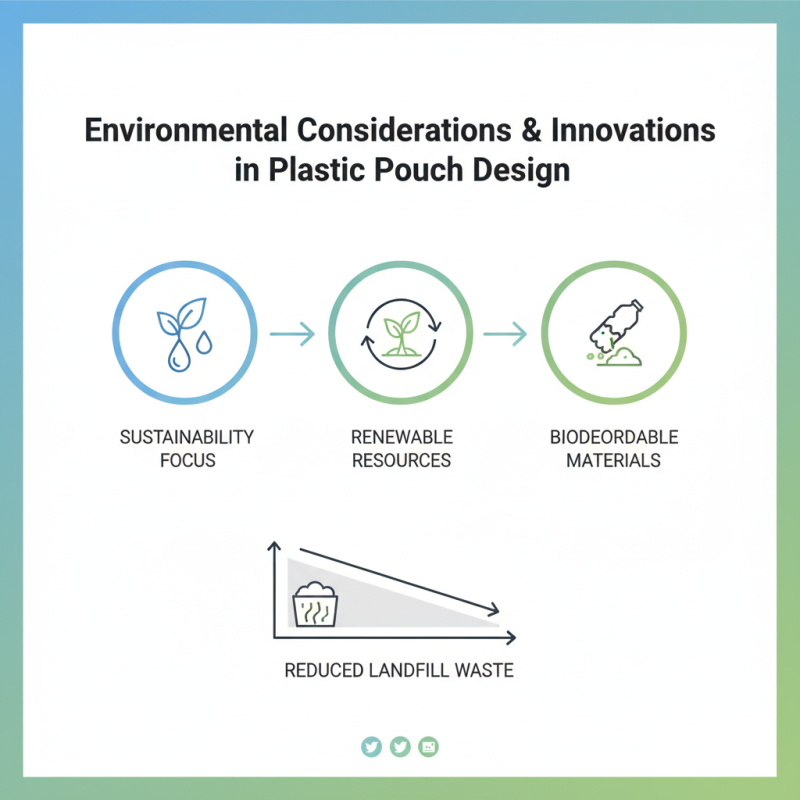
The popularity of Plastic Pouches is evident across multiple sectors. Food, cosmetics, and pharmaceuticals increasingly utilize this format. Their ability to maintain product freshness enhances their appeal. Despite progress, some concerns remain. The long-term environmental impact of plastic packaging needs consideration. Companies are now exploring biodegradable alternatives, yet the industry still faces challenges.
Innovations continue to emerge, boosting the appeal of Plastic Pouches. Examples include resealable options and creative designs, which capture consumer interest. However, as the adoption increases, manufacturers must balance cost and sustainability. This ongoing dialogue shapes the future of packaging solutions in various industries.
Benefits of Using Plastic Pouches in Packaging
Plastic pouches have emerged as a popular choice in the packaging industry. The versatility of these pouches appeals to various sectors, including food, cosmetics, and pharmaceuticals. According to a report from Smithers Pira, the global flexible packaging market is projected to grow at a CAGR of 4.3% through 2025. This rise reflects the demand for cost-effective, lightweight, and sustainable packaging options.
One significant benefit of plastic pouches is their ability to extend product shelf life. Studies show that pouches can reduce oxidation and moisture exposure, preserving contents for longer durations. Many businesses find this crucial, especially in the food industry. Additionally, the visual clarity of plastic pouches enhances product appeal, making them attractive to consumers.
Tip: When choosing plastic pouches, consider materials that offer barriers against light, moisture, and gases. This choice can significantly impact the quality of the product inside.
However, it’s essential to note the environmental concerns surrounding plastic usage. While many suppliers are transitioning to recyclable materials, not all plastics are biodegradable. Brands should reflect on their sustainability practices. The key lies in finding a balance between functionality and environmental responsibility.
Tip: Always check the recycling codes on packaging. Educating consumers on proper disposal methods can enhance sustainability efforts.
Versatility of Plastic Pouches for Different Products
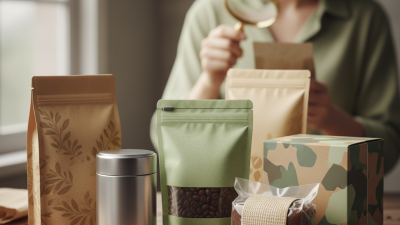
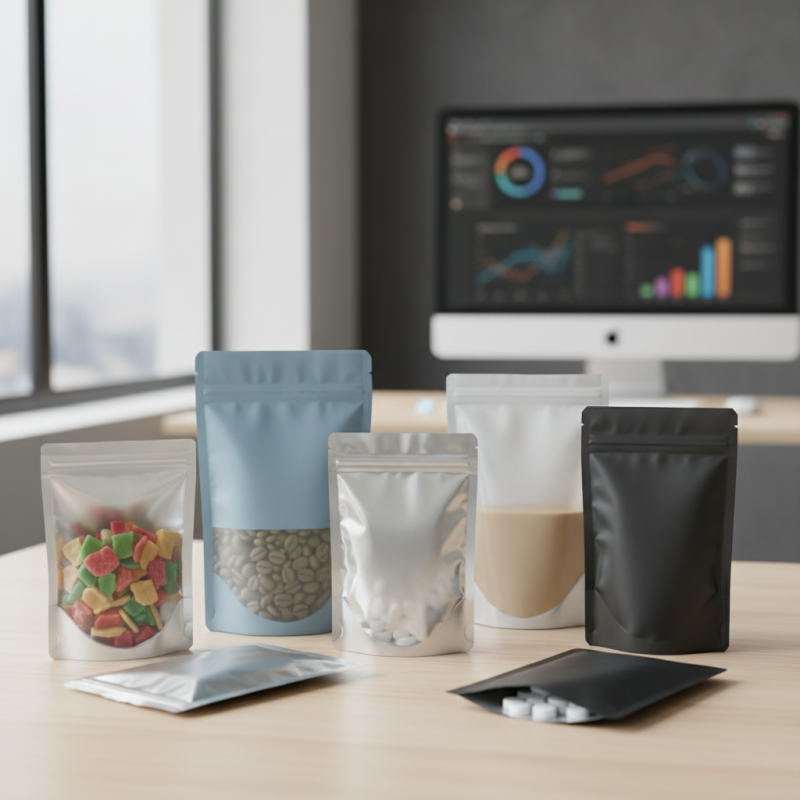
Plastic pouches offer remarkable versatility for various products. Whether it’s food, cosmetics, or small electronics, these pouches adapt effortlessly. Their lightweight design makes them easy to handle and transport. Many businesses find that using plastic pouches improves their product visibility. Clear options allow customers to see the item inside, enhancing shopping experiences.
These pouches also come in different shapes and sizes. This adaptability means that companies can customize packaging according to their needs. For instance, a company selling snacks may choose resealable pouches. This feature keeps items fresh longer, catering to consumer preferences. However, some might argue that they could create waste if not recycled properly.
Users appreciate the ease of use, but not all plastic pouches are created equal. Some may not provide adequate protection against moisture. This inconsistency can lead to issues with product integrity. Therefore, it’s essential to assess options carefully. While the benefits are clear, companies must also consider the environmental impact. This reflection is crucial when choosing packaging solutions.
Why Choose Plastic Pouches for Your Packaging Needs? - Versatility of Plastic Pouches for Different Products
| Product Type |
Plastic Pouch Size |
Material Type |
Features |
Common Uses |
| Snacks |
200g |
PET/PE |
Resealable, Durable |
Chips, Nuts |
| Beverages |
1L |
PET |
Lightweight, Leak-proof |
Juices, Smoothies |
| Powders |
500g |
CPP |
Moisture-proof, Resealable |
Protein, Spices |
| Cosmetics |
100ml |
LDPE |
Flexible, Lightweight |
Lotions, Creams |
| Pet Food |
2kg |
PET/PE |
Tear Notch, Resealable |
Dog Food, Cat Food |
Cost-Effectiveness of Plastic Pouches Compared to Other Options
Plastic pouches are gaining traction in the packaging industry due to their cost-effectiveness. According to a recent packaging report by Smithers, flexible packaging, including plastic pouches, is projected to grow steadily, with a compound annual growth rate of 4.2% through 2027. This growth can be attributed to their lower production costs compared to traditional packaging options like glass or metal containers.
The cost savings stem from several factors. Plastic pouches are lighter and require less material, which reduces shipping costs. Additionally, they offer extended shelf life without the need for preservatives. A study by Freedonia Group indicated that flexible packaging can be 20-30% cheaper than rigid packaging solutions. However, some may argue about the environmental impact of plastic. While it’s true that plastic pollution is a concern, advancements in recycling technologies are helping tackle this issue.
Moreover, the versatility of plastic pouches adds to their appeal. They can be tailored to different shapes and sizes, enhancing brand visibility. Various industries are adopting plastic pouches for snacks, liquids, and pet food. Yet, it’s essential to balance innovation with sustainability. Exploring biodegradable materials for pouches could address environmental challenges. The industry is still reflecting on how to improve plastic pouch recycling rates, ensuring that their practical advantages do not compromise ecological integrity.
Cost-Effectiveness of Plastic Pouches Compared to Other Packaging Options
This chart illustrates the average cost per unit of various packaging options, highlighting the cost-effectiveness of plastic pouches compared to alternatives such as glass bottles, cardboard boxes, metal cans, and paper bags. Plastic pouches stand out as the most economical choice for packaging needs.
Consumer Preferences and Trends in Packaging Choices
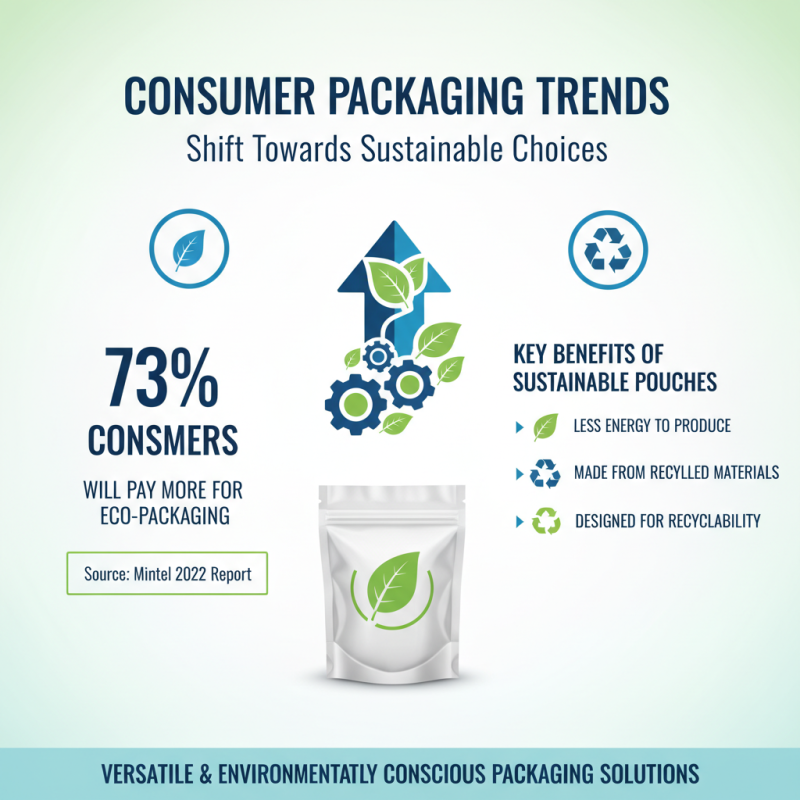
Consumer preferences have shifted significantly towards sustainable packaging solutions. According to a 2022 report from Mintel, 73% of consumers are willing to pay more for eco-friendly packaging. This trend highlights the importance of materials like plastic pouches that can be both versatile and environmentally conscious. These pouches often require less energy to produce and can be made from recycled materials, especially when designed for recyclability.
The increasing demand for convenience also influences packaging choices. Studies indicate that 65% of consumers prefer packaging that is easy to open and resealable. Plastic pouches meet these expectations by offering lightweight solutions that are easier to handle. Furthermore, they maintain product freshness and extend shelf life. However, some consumers express concerns about the recyclability of mixed material pouches. This presents a challenge for manufacturers to improve their designs and promote better waste management practices.
As the market evolves, brands must navigate these preferences effectively. Research suggests that companies seen as environmentally responsible can enhance customer loyalty by 50%. Emphasizing sustainable practices while meeting consumer desires for convenience is essential. Balancing these dynamics requires adaptation, innovation, and a commitment to addressing both consumer needs and environmental impact.