
Leave Your Message

How to Choose Pouch Packaging for Your Business in 2026?

Choosing Pouch Packaging for your business in 2026 starts with the product, not the trend. A dry snack, powdered supplement, refill liquid, and frozen ingredient each place different demands on a pack. The right format should protect product quality, fit filling equipment, and make everyday handling clear. Looks matter, too. Yet a glossy finish cannot compensate for a weak seal or a confusing opening. Start with evidence.

Before comparing suppliers, define the product’s sensitivity to moisture, oxygen, light, and temperature. Then check filling speed, pouch dimensions, closure style, print needs, and expected order volume. A stand-up pouch may improve shelf visibility, while a flat pouch can reduce storage space; neither wins in every case. Ask for material specifications, seal and leak-test information, relevant food-contact documentation, and samples filled with your actual product. A sample on a desk is useful. A sample run is better.

Cost should include more than unit price: freight, setup, waste, storage, and any changes to packing lines. Read sustainability claims carefully; ask what the laminate contains and whether local collection systems accept it. Recyclability varies by market and material structure. No single pouch is perfect. A careful choice balances product protection, production realities, shelf appeal, and customer convenience, then checks those assumptions through a trial run. The trade-off can remain awkward. A practical comparison may not point to one obvious winner, and that is worth acknowledging before committing to a large order.
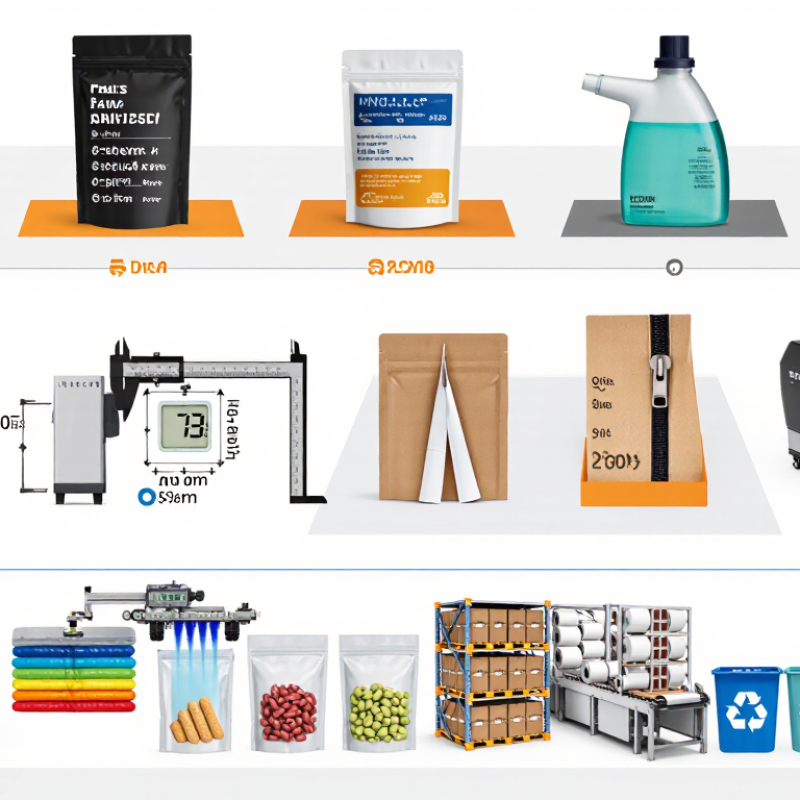
How to Choose Pouch Packaging for Your Business in 2026?

Define Your Product and Packaging Requirements

Start with the product, not the pouch shape. Is it a dry powder, oily snack, sauce, or skincare formula? Record its weight, texture, filling temperature, and expected shelf life. Fine powders can escape through weak seals, while moisture-sensitive products may need a stronger barrier. Small details matter.

Think about how the pouch will be filled, stored, shipped, and opened. A frozen product needs packaging that stays flexible at low temperatures. A pouch filled with warm liquid may require different materials and sealing equipment. Check the pouch dimensions against your filling line, too. A perfect sample can fail on a fast production run. Test it.

Consider what customers need to see and do. A clear window can show the product, but it may reduce protection from light. Tear notches, spouts, and resealable zippers each affect convenience, cost, and sealing performance. Ask suppliers for material specifications and test filled pouches under realistic handling conditions. One test is rarely enough. It is tempting to choose the most feature-rich design, but extra features can add cost without solving a real product problem. Revisit your assumptions after testing; the first choice may not be the best one.
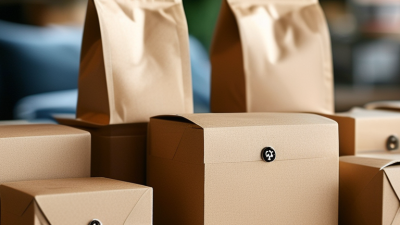
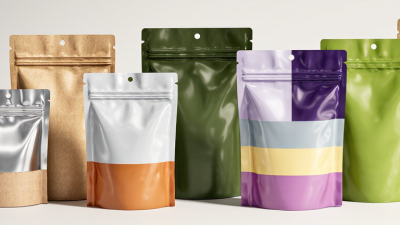
How to Choose Pouch Packaging for Your Business in 2026?

Define Your Product and Packaging Requirements

Start with what your product needs protection from: oxygen and light for roasted coffee, moisture for dried snacks, and puncture resistance for frozen vegetables. Scores are illustrative planning priorities on a 1–5 scale, not measured market data. Confirm final material performance, shelf life, sealing, and food-contact suitability with testing and supplier specifications.

Compare Pouch Formats and Their Features

Choosing a pouch starts with the product, not the shelf photo. A stand-up pouch with a bottom gusset displays well and holds its shape on retail shelves. It suits dry snacks, powders, and refill products, especially when customers need a resealable zipper. The zipper adds convenience, but it does not replace a reliable top seal. Small detail.

A flat, three-side-seal pouch uses less material and packs efficiently in cartons. It works for single portions, samples, and products with modest volume. It cannot stand alone, so display may need a tray or hook. For heavier contents, a quad-seal or box-bottom pouch offers a broader base and a cleaner front panel. More structure can mean higher material use and cost. Not always.

Spouted pouches make pouring easier for sauces, drinks, and concentrates; cap placement and leak resistance deserve close testing. Retort-ready formats can handle heat processing, but only when the full laminate, seal design, and filling process are qualified together. Ask suppliers for barrier data matched to oxygen, moisture, light, and intended shelf life. Then test filled pouches under real handling conditions: drops, compression, and repeated opening. A sample that looks right can still crease badly or leak at the corner. Choosing from photos alone is an easy mistake.

Select Materials Based on Protection and Product Compatibility

Pouch material selection should start with the product’s main risks: oxygen, moisture, light, aroma loss, or contact with oils and acids.

FAO’s 2023 report on food and agriculture-related SDG indicators estimated that 13.2% of food was lost globally between harvest and retail in 2021. That figure is not proof that packaging alone prevents loss, but it shows why protection deserves careful attention.

A crisp snack may need moisture and oxygen barriers; a coffee pouch may need aroma retention and light protection. Different needs, different structures.

A foil layer can provide strong light and gas protection, yet it blocks product visibility and can complicate recycling. Clear films show the contents, but may offer less protection unless paired with suitable barrier layers.

For sauces, oils, or acidic products, check that every layer and sealant is compatible with the actual fill. Ask suppliers for oxygen transmission and water vapor transmission data, then test filled pouches under expected storage and shipping conditions. Include heat, humidity, seal strength, and handling.

Small trials matter. A pouch that performs well empty may fail after filling or repeated flexing. Material selection is rarely perfect on paper; real product testing can expose trade-offs early.

Assess Printing, Production, and Regulatory Needs

How to Choose Pouch Packaging for Your Business in 2026?

Assess Printing, Production, and Regulatory Needs

A pouch can look sharp on screen and still fail on the filling line. Test the finished structure with your actual product, seal settings, and transport conditions. The Flexible Packaging Association’s 2023 State of the Industry report put U.S. flexible packaging sales at $42.9 billion in 2022. That scale reflects broad use, not a guarantee that every pouch suits every product. Ask converters for samples, print proofs, and documented seal and barrier results before approving a production run.

Printing choices affect both appearance and scheduling. Digital printing can suit short runs or frequent artwork changes; conventional processes may fit larger, stable orders. Compare total costs, including setup, minimum order quantities, color consistency, and lead times. Check a physical proof under store lighting. Tiny text may disappear. I have seen attractive mock-ups mislead teams about real shelf readability, so treat the proof as a test, not a formality.

Regulatory needs depend on the product and sales market. For food packaging, request documentation for the intended contact conditions, materials, inks, and adhesives; do not assume a supplier’s general compliance statement covers your exact use. The EU’s Packaging and Packaging Waste Regulation, Regulation (EU) 2025/40, generally applies from August 12, 2026, with requirements that vary by provision. Confirm current obligations with qualified regulatory advisers, especially when selling across borders. Leave time to review labels, recyclability claims, and technical files before artwork is locked.

Compare Costs, Sustainability, and Supplier Capabilities

Pouch price is only one part of the cost. Compare the full cost per usable pack, including printing plates, freight, setup fees, and rejected units. Ask suppliers to quote the same size, material structure, order quantity, and delivery terms. A low unit price may come with a high minimum order that leaves cartons of unused packaging in storage. Small details matter. Test sample pouches on your filling line before approving a large run; seals can behave differently at production speed.

Sustainability claims need evidence. Ask for the material breakdown, recycled-content documentation, and clear disposal guidance for your local market. A mono-material pouch may be easier to sort in some recycling systems, but access varies by location. Compare its weight and transport impact with your current pack, too. There is no perfect choice. A lighter pouch can reduce shipping weight, yet a barrier layer may still be necessary to protect freshness and limit product waste.

Supplier capabilities affect reliability as much as price. Request technical specifications, sample lead times, quality checks, and a process for handling artwork or material changes. Ask how production delays are communicated and whether test reports are available for the exact pouch structure. Not always easy. One overlooked question is whether the supplier can repeat the approved seal strength across future batches. Compare answers in writing, then weigh the trade-offs against your production volume, shelf-life needs, and budget.

How to Choose Pouch Packaging for Your Business in 2026? - Compare Costs, Sustainability, and Supplier Capabilities

Pouch Structure Typical Uses Barrier and Product Protection Indicative Cost Position Sustainability Considerations Supplier Capabilities to Verify Best Fit
Conventional PET / PE laminate Dry foods, snacks, personal-care products, and many general-purpose applications. Provides a practical combination of printability, toughness, and moisture protection. Exact barrier performance depends on film grades and layer thickness. Baseline
Use as a comparison point; actual pricing varies with size, order volume, printing, and specification.
Different polymer layers are generally difficult to separate in conventional recycling. Local collection and sorting rules determine disposal options. Ask for film specifications, seal-strength data, print-quality controls, and compatibility testing on the intended filling line. Businesses prioritizing familiar performance and broad supplier availability.
Mono-PE pouch Flexible packaging for selected dry, frozen, and household products, subject to the required barrier and pack design. Can provide moisture protection and flexibility. Oxygen and aroma protection may require additional design features or coatings. Variable
May carry a material or qualification premium compared with an established laminate; request like-for-like quotations.
Designed to use one main polymer family, but recyclability depends on the complete pack, local collection systems, sorting, and recycling guidance. Confirm the full material composition, seal window, machinability, barrier test results, and whether the structure meets relevant design-for-recycling guidance. Brands seeking a PE-based design where required product protection can be achieved without incompatible components.
Mono-PP pouch Selected snack, food, and non-food applications where a PP-based structure suits the product and filling process. Performance is structure-specific. Validate oxygen, moisture, light, and aroma protection against product shelf-life needs. Variable
Compare total delivered cost, including trials and line adjustments, rather than resin cost alone.
A single-polymer design can simplify material identification, but actual recycling availability for flexible PP varies by market. Request composition documentation, barrier and seal data, production-line trial support, and evidence for any recyclability claims. Businesses with access to suitable PP collection or recycling pathways and compatible packing equipment.
PET / aluminum foil / PE laminate Products needing strong protection from light, oxygen, moisture, or aroma transfer, such as some coffee and specialty food products. Aluminum foil can provide a very high barrier when the laminate is correctly designed and sealed. Often higher
Foil, layer count, print, and converting requirements affect the quote; compare against the product’s protection needs.
Mixed-material construction is not generally compatible with standard single-polymer recycling streams. Check local disposal options. Verify foil thickness, pinhole controls, seal integrity, barrier test methods, and shelf-life validation for the packed product. Products for which high barrier protection is essential and lower-barrier alternatives are unsuitable.
Paper / polymer laminate Dry goods and products where a paper-like appearance or surface is desired. Paper alone is not a dependable moisture or oxygen barrier; the polymer layer and any added barrier treatment determine performance. Variable
Paper grade, coatings, printing, and laminate structure can change the cost materially.
Plastic-lined or coated paper pouches may not be accepted in ordinary paper recycling. Confirm local guidance for the exact construction. Ask for the complete layer breakdown, barrier data, recyclability assessment for the target market, and sealing-process recommendations. Businesses seeking a paper-forward appearance while accepting the limitations of a composite structure.

Comparison note: Cost positions are directional, not market quotations. Pouch size, order quantity, print coverage, barrier specification, region, freight, and filling-line compatibility can change the total cost. Before choosing a structure, request a written specification and samples, run a production-line trial, and confirm end-of-life claims against the rules and infrastructure in the sales market.