Top 5 Tips for Pouch Packing Success in Global Trade?
In the world of global trade, effective Pouch Packing is crucial for success. According to John Smith, a leading expert in the pouch packaging industry, "Efficient pouch packing not only protects products but also enhances brand appeal." Pouch packing combines convenience and efficiency, streamlining logistics while ensuring product integrity.
Yet, many businesses overlook the intricacies of this process. They often focus solely on cost without considering the importance of quality materials or design. The right pouch can significantly influence customer satisfaction and product longevity. A well-designed pouch attracts attention and encourages repeat purchases, amplifying success in competitive markets.
Understanding these nuances can make or break a brand's reputation. It is essential to prioritize innovation and adaptability. The evolving landscape of global trade demands constant reflection on packing strategies. Companies must learn from every shipment, refining their approach to Pouch Packing as consumer preferences shift.

Understanding the Importance of Pouch Packing in Global Trade
Pouch packing plays a crucial role in global trade. Its significance lies in protecting products during long-distance transportation. Proper pouch design can minimize damage and ensure products arrive intact. This is especially vital for food, pharmaceuticals, and fragile items. Selecting appropriate materials is not a trivial task. It requires understanding product requirements and environmental factors.
Moreover, pouch packing offers versatility. It caters to various sizes and shapes, making it easier to utilize space efficiently. This flexibility can lead to cost savings in shipping. However, companies often underestimate the importance of testing packages in real transit conditions. Feedback from actual shipping experiences can provide insights into weaknesses in the packing design.
Furthermore, sustainability is becoming vital. Eco-friendly materials are gaining attention. Brands face pressure to reduce their environmental impact. Yet, many struggle to balance sustainability with durability. This dilemma calls for thoughtful innovation and collaboration across industries. Engaging with experts can offer solutions, yet businesses often hesitate to invest in research. Addressing these challenges is essential for long-term success in pouch packing.
Key Material Considerations for Effective Pouch Packaging Solutions
When it comes to pouch packaging in global trade, selecting the right materials is crucial. Packaging materials determine product safety, shelf life, and customer perceptions. According to a recent report by Smithers Pira, the global flexible packaging market is expected to reach $300 billion by 2024, underscoring the importance of innovative packaging solutions.
Consider the barrier properties of materials. Pouch packaging often needs to protect its contents from moisture, light, and oxygen. Materials like PET, nylon, and aluminum are commonly used. However, the rising trend toward sustainability is prompting businesses to explore biodegradable options. If not carefully evaluated, companies may find themselves using materials that do not align with their environmental goals.
Tip: Always assess the compatibility of packaging materials with your product. Testing can reveal weaknesses that may compromise quality. These small details can make a significant difference in the long run.
Choosing the correct adhesive is equally important. The adhesive should withstand various temperatures during transport and storage. Yet, many overlook this aspect. Weak adhesion can lead to packaging failures, affecting the entire supply chain.
Tip: Regularly review your packaging suppliers. This ensures you utilize the latest technologies and materials in pouch packaging. Staying informed can help prevent costly mistakes and improve your packaging's effectiveness.
Optimizing Pouch Size and Design for Cost-Effectiveness
In global trade, optimizing pouch size and design is critical for reducing costs. According to the Flexible Packaging Association, the right pouch design can reduce packaging material usage by up to 30%. This not only cuts production costs but also minimizes environmental impact, aligning with sustainable practices.
Size matters significantly. A pouch that is too large wastes space and increases shipping costs. Research indicates that 50% of the total logistics costs are related to packaging dimensions. Brands should conduct tests to identify the most efficient pouch sizes for their products. Utilizing tools like 3D modeling can aid in visualizing fit and reducing material usage.
Design elements should prioritize functionality. Zipper closures can enhance user experience, leading to higher customer satisfaction. However, brands must also consider the balance between aesthetics and practicality. Overemphasis on visual appeal may lead to increased production costs. Continuous monitoring of consumer feedback can help identify any flaws in design, ensuring ongoing improvements.
Top 5 Tips for Pouch Packing Success in Global Trade
| Tip |
Description |
Benefits |
Considerations |
| Optimize Pouch Size |
Choose the right size to minimize material waste and reduce shipping costs. |
Cost savings on material and shipping. |
Avoid overpacking or underpacking. |
| Design for Durability |
Select materials that withstand transit conditions and protect contents. |
Prevents product damage and enhances customer satisfaction. |
Testing for durability may increase initial costs. |
| Focus on Design Innovation |
Utilize unique shapes and features that stand out and attract consumers. |
Increased shelf appeal and potential for higher sales. |
May require more extensive market research. |
| Utilize Recyclable Materials |
Incorporate eco-friendly materials that appeal to environmentally conscious consumers. |
Improves brand image and attracts eco-conscious buyers. |
Higher initial material costs. |
| Consideration for Logistics |
Plan pouch structure and size with transportation methods in mind. |
Efficiency in shipping and storage. |
Collaboration with logistics teams for best practices. |
Implementing Sustainable Practices in Pouch Packing Operations
Sustainable pouch packing is essential in today’s global trade environment. It can significantly reduce waste and lower carbon footprints. Using eco-friendly materials is a great start. Many businesses are shifting to biodegradable pouches. This move can resonate well with eco-conscious consumers.
Training employees on sustainable methods is also important. Everyone in the operation needs to understand their role. Regular workshops can enhance awareness about recycling and waste reduction. Additionally, monitoring the pouch packing process will identify areas for improvement. Often, small adjustments can yield big results.
Adopting a circular economy model can lead to more efficiency. For instance, reusing packing materials is one approach. This not only cuts costs but also promotes sustainability. However, it’s important to be aware of potential challenges. Sourcing sustainable materials can sometimes be difficult. Finding reliable suppliers is crucial. As the industry evolves, staying informed about new practices will help maintain a competitive edge.
Leveraging Technology for Enhanced Pouch Packing Efficiency
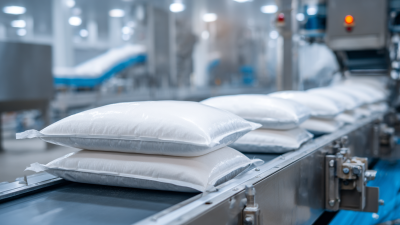
In the fast-paced world of global trade, efficiency in pouch packing is crucial. Leveraging technology can significantly enhance this process. Automated packing machines are one of the most effective tools. They ensure consistent quality and reduce human error. These machines streamline operations, allowing for faster turnarounds. However, it’s essential to choose the right technology for your specific needs.
Data analytics also plays a vital role. By analyzing packing efficiency, businesses can identify bottlenecks. Companies often overlook this step, thinking they already know the best practices. This assumption can lead to missed opportunities for improvement. Regularly monitoring performance metrics can provide insights into operational weaknesses.
Furthermore, investing in training for staff is essential. Technology is only as effective as the people operating it. Employees must understand how to maximize these tools for successful pouch packing. Many organizations find this aspect is often neglected. A hands-on approach to training enhances overall efficiency and job satisfaction. Embracing technology should complement human expertise, not replace it.