Best Plastic Bags for Food Storage and Safety Options?
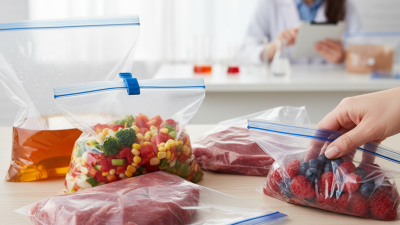
When it comes to food safety, the choice of storage options plays a crucial role. Many consumers rely on plastic bags for food storage due to their convenience and versatility. According to a 2022 report by the Food and Drug Administration (FDA), proper food storage can reduce foodborne illnesses by up to 30%. This reinforces the importance of selecting safe and effective materials.
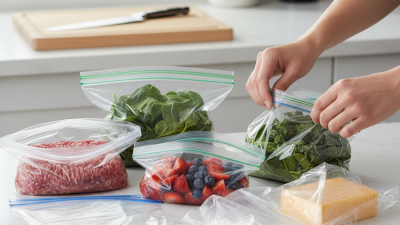
Plastic bags for food offer a range of benefits. They can prevent contamination, keep foods fresh, and support efficient organization in kitchens. An industry study from 2023 highlighted that over 65% of households use plastic bags for this purpose, demonstrating their widespread acceptance. However, it is essential to choose products labeled as food-safe. Not all plastic bags are created equal.
Despite their advantages, caution is necessary. Not all plastic bags are suitable for every food type. Some plastics may leach harmful chemicals into food. Therefore, understanding the right uses for plastic bags for food is vital. Consumers need to stay informed about safe practices and potential risks associated with plastic storage options.
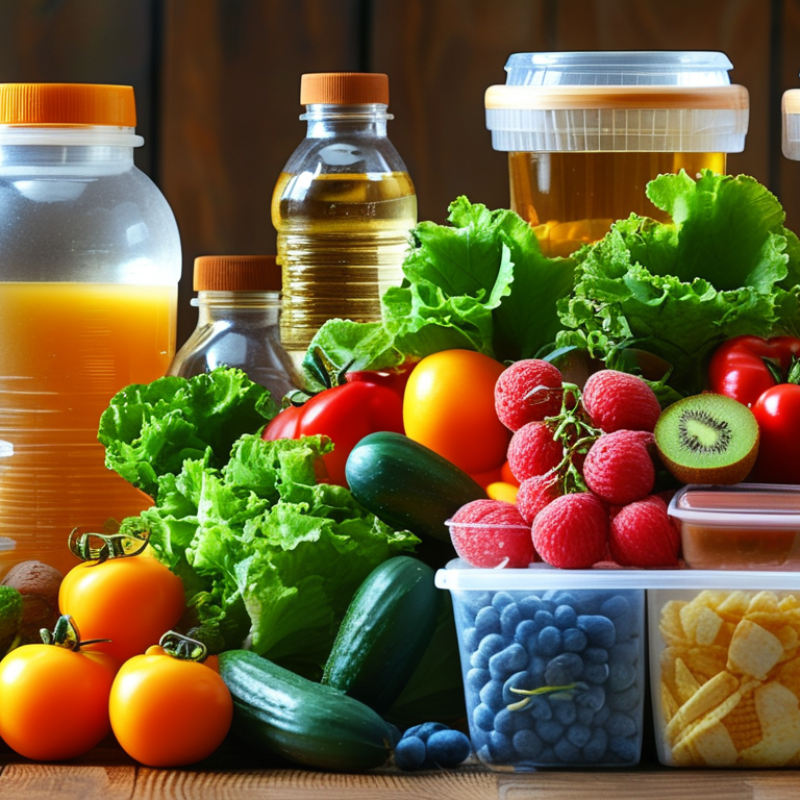
Best Types of Plastic Bags for Food Storage: An Overview of Options
When considering food storage, the choice of plastic bags is crucial. Various types are available, and each serves a specific purpose. A 2021 industry report revealed that food-grade plastic bags ensure safety and extend shelf life. These bags, commonly made from polyethylene, are designed to avoid chemical leaching, making them safe for food contact.
Vacuum-sealed bags are another popular option. They reduce air exposure, which helps prevent freezer burn and oxidation. According to research, vacuum sealing can reduce spoilage by up to 50%, highlighting their efficiency. On the other hand, resealable bags offer convenience for daily use. They provide an airtight seal and are often suitable for marinating foods. Yet, not all resealable bags are created equal. Some may not withstand high heat or long storage times.
Compostable bags have gained attention for their eco-friendliness. They break down naturally, reducing landfill waste. However, their durability can sometimes be a concern. Users report variability in quality and performance. It raises questions about their reliability for long-term food storage. As consumers seek better options, understanding the strengths and weaknesses of each type of plastic bag can lead to informed choices.
Understanding Food Safety Standards for Plastic Bag Use in Storage
When selecting plastic bags for food storage, understanding food safety standards is crucial. Not all plastic bags are designed for food use. Materials and thickness vary, impacting safety. Look for bags labeled as food-safe. These options often ensure that no harmful chemicals leach into your food.
Consider the storage conditions as well. Freezer bags, for example, are thicker and can withstand colder temperatures without breaking down. However, they may not be suitable for microwave use. Always check instruction labels. This detail is often overlooked. Improper use can lead to safety hazards.
Think about potential risks, too. Some plastic bags may not be BPA-free. This could pose a health risk if heated or used for long-term storage. It’s essential to stay informed about the products you choose. Relying on labels and certifications can help, but reading reviews can also guide your choices. Prioritizing safety over convenience should be a standard practice in food storage.
Best Plastic Bags for Food Storage
This chart illustrates the popularity ratings of different types of plastic bags suitable for food storage. Ratings are based on consumer preferences, focusing on safety and usability standards.
Comparison of BPA-Free vs. Traditional Plastic Bags for Food Safety
When it comes to food storage, the choice between BPA-free and traditional plastic bags is crucial. BPA, or bisphenol A, is a chemical often found in polycarbonate plastics and epoxy resins. Research reveals that BPA can leach into food and beverages, potentially leading to health risks such as hormonal disruptions. According to the CDC, over 93% of Americans have detectable levels of BPA in their urine. This alarming statistic emphasizes the need for safer alternatives.
BPA-free plastic bags provide a safer option for food storage. These bags are manufactured without harmful chemicals and can reduce the risk of contamination. A study published in the Journal of Environmental Health found that switching to BPA-free products significantly lowered exposure to these chemicals. However, while BPA-free products are safer, they are not entirely free from concerns. Some substitutes, like BPS or BPF, may have similar harmful effects. Ensuring that plastic bags are clearly labeled can help consumers make informed choices.
Yet, it's important to note that not all plastic materials are created equal. Many traditional plastic bags are designed for single use. This leads to environmental issues, as they contribute to pollution. While opting for BPA-free bags is a step toward safer food storage, we also need to consider reusability and environmental impact. Balancing safety and sustainability remains a challenge for both consumers and manufacturers.
Key Features of High-Quality Plastic Bags: Thickness, Sealability, and Durability
When choosing plastic bags for food storage, it's essential to focus on key features like thickness, sealability, and durability. Industry experts indicate that thickness plays a crucial role in maintaining food safety. A bag with a thickness of at least 2 mils is generally recommended for optimal protection against punctures and tears. Thin bags, while lighter, often lack the strength needed for reliable food storage.
Sealability is another critical aspect. A secure seal prevents air and moisture from entering, which helps to retain freshness. Research shows that bags with double zippers or heat seals offer better performance compared to single-seal options. These advanced seals can reduce spoilage by up to 35%. Additionally, durability is vital for long-term use. High-quality plastic bags resist degradation and are less likely to leak, protecting food from contamination.
While there are many options available, not all bags meet the same safety standards. Certain plastics can leach harmful chemicals when exposed to heat or stress. Consumers should always look for bags labeled as BPA-free and food-safe. This helps ensure that the food remains uncontaminated and safe for consumption. Making informed choices regarding these critical features can lead to better food preservation and safety.
Best Plastic Bags for Food Storage and Safety Options
| Bag Type |
Thickness (microns) |
Sealability |
Durability |
Capacity (liters) |
Best Use |
| Storage Bags |
30 |
Reinforced Zip |
High |
10 |
Freezer storage, marinating |
| Gallons Bags |
50 |
Double Seal |
Very High |
15 |
Bulk storage, sous vide |
| Sandwich Bags |
20 |
Zip Closure |
Medium |
5 |
Lunch, snacks |
| Vacuum Bags |
100 |
Vacuum Seal |
Excellent |
8 |
Long-term storage |
| Freezer Bags |
40 |
Freeze Lock |
High |
12 |
Freezer storage, protection |
Environmental Impact of Plastic Bags: Reusable vs. Single-Use Options
Plastic bags are ubiquitous in food storage, but their environmental impact raises concerns. The production of single-use plastic bags contributes significantly to pollution. According to the Environmental Protection Agency (EPA), around 300 million tons of plastic are produced globally each year, with a substantial portion designated for single-use items. These bags often end up in oceans, harming marine life and ecosystems. It's shocking to consider that it can take up to 1,000 years for a plastic bag to decompose.
On the other hand, reusable bags offer a more sustainable alternative. A report from the University of California found that reusable bags could reduce plastic waste by up to 80%. However, it's essential to consider the entire lifecycle of these bags. If not properly cleaned, reusable bags can harbor bacteria and other contaminants, which poses a safety risk for food storage. Striking a balance between convenience and environmental responsibility is crucial. In the quest for alternatives, consumers must remain vigilant about the choices they make in food storage and its broader implications for our environment.