Top 10 Benefits of Using Plastic Pouches for Packaging?
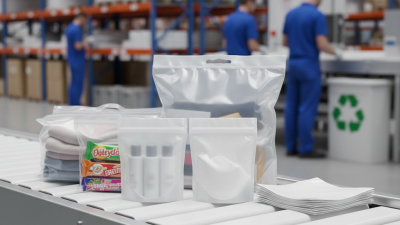
In the rapidly evolving packaging industry, Plastic Pouches have emerged as a game-changer. Industry expert Dr. Emily Hart, a leader in sustainable packaging solutions, emphasizes, "Plastic pouches combine convenience with functionality, optimizing both storage and transport." This innovation not only reflects a shift in consumer preferences but also aligns with modern environmental considerations.
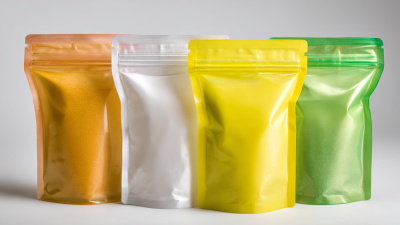
Plastic Pouches offer numerous benefits. Their lightweight nature reduces shipping costs and carbon footprints. They provide excellent barrier properties, preserving product freshness for longer. Moreover, their versatility allows brands to showcase vibrant designs, attracting consumer attention on store shelves. However, the challenge remains: ensuring recycling facilities are equipped for these materials.
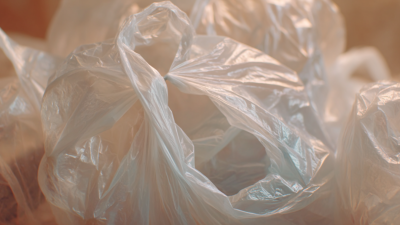
Despite their advantages, certain drawbacks deserve attention. Some may argue that Plastic Pouches contribute to plastic waste issues. It’s vital for brands to explore eco-friendly options and promote responsible disposal methods. In the right hands, Plastic Pouches can redefine packaging, leading to a more sustainable future.
Advantages of Lightweight and Space-Efficient Plastic Pouches
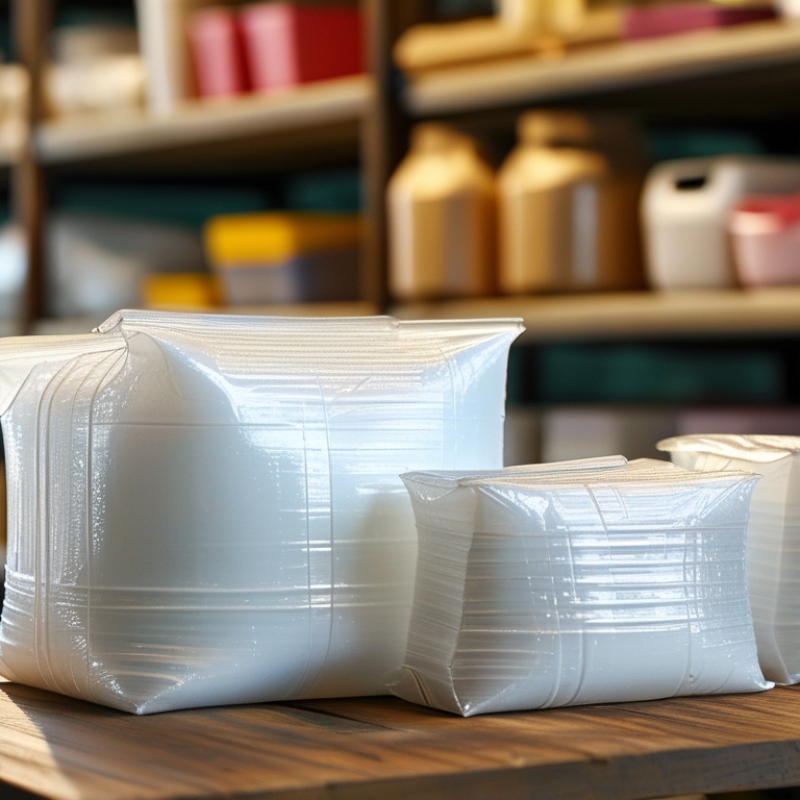
Plastic pouches have become increasingly popular in various industries. Their lightweight nature significantly reduces shipping costs. When transporting goods, less weight means lower fuel consumption. This is crucial for businesses looking to cut expenses and improve sustainability. Additionally, plastic pouches take up minimal space. Their design allows for efficient stacking and storage, optimizing warehouse space.
These pouches also offer convenience for consumers. Their flexible nature adapts easily to different products. They can be used for food, cosmetics, and even electronics. The easy-to-carry feature is a huge plus for busy shoppers. However, some may argue that the lack of rigidity can lead to concerns about product protection. It’s essential to evaluate if the product inside is well-protected during transportation.
Moreover, consumers are becoming more eco-conscious. While plastic pouches are often perceived negatively, many are recyclable. This aspect encourages responsible disposal practices. Yet, the challenge lies in ensuring proper recycling facilities are accessible. Reflecting on these points helps businesses and consumers make informed choices about packaging options.
Durability and Protection Offered by Plastic Pouches in Packaging
Plastic pouches serve a vital role in packaging due to their durability and protection. They are designed to withstand various external factors, making them suitable for a wide range of products. According to a report by the International Plastics Data Service, the global demand for flexible packaging, including plastic pouches, is expected to grow by 4.5% annually through 2025.
One remarkable feature of plastic pouches is their resistance to moisture, air, and contaminants. This protection is crucial for food items, as it helps extend shelf life. A study published in Packaging Technology and Science highlights that products packaged in plastic pouches can achieve up to 62% longer freshness compared to traditional packaging. This type of packaging also minimizes waste, as it often allows for smaller sizes and better protection.
However, the environmental impact of plastic remains a concern. While plastic pouches are versatile and efficient, their disposal is challenging. The recycling rates for plastic still lag behind expectations. Industry experts urge a balance between plastic use and sustainability. Focusing on innovations, such as biodegradable plastics, could improve the situation and make plastic pouches a more eco-friendly option.
Cost-Effectiveness of Plastic Pouches Compared to Traditional Packaging
Plastic pouches have emerged as a cost-effective solution for packaging. Compared to traditional materials, they reduce expenses significantly. They weigh less, leading to lower shipping costs. This factor alone makes them an attractive option for businesses looking to save money.
In addition to cost savings, plastic pouches offer versatility. They can be tailored for various products—from snacks to liquids. This adaptability helps businesses optimize their packaging strategy. However, not all pouches are created equal. Choosing low-quality pouches can lead to product spoilage or waste.
Storing plastic pouches is easier and takes up less space. Their flexibility allows for efficient use of storage areas. This can minimize overhead costs for companies. Yet, businesses must balance affordability with quality. It's essential to consider the durability of the materials used. This reflection is crucial to ensure the longevity of the product while keeping costs in check.
Versatility of Plastic Pouches Across Various Industries and Products
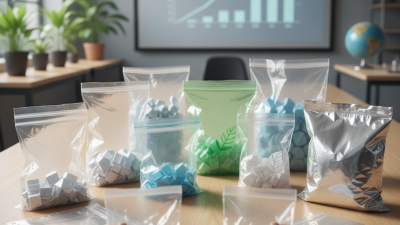
Plastic pouches have gained popularity in various industries due to their remarkable versatility. In the food sector, these pouches preserve freshness while being lightweight. They are ideal for snacks, beverages, and even frozen items. Manufacturers appreciate the ease of customization, allowing them to create eye-catching designs that attract consumers. Pouches can be made with barrier materials to protect contents from moisture and oxygen.
Beyond food, plastic pouches are widely used in the cosmetic industry. They provide airtight seals for lotions and creams, ensuring product integrity. This packaging reduces waste and offers convenience for consumers. In pharmaceuticals, plastic pouches ensure safe storage of medicines. Their ability to be tamper-evident adds a layer of safety.
However, the environmental impact raises concerns. Recycling plastic pouches can be challenging, and many end up in landfills. Companies must reflect on sustainable practices. They might explore biodegradable options or invest in recycling initiatives. As industries continue to embrace plastic pouches, balancing functionality with environmental responsibility is crucial.
Environmentally Friendly Innovations in Plastic Pouch Packaging Solutions
Plastic pouches are emerging as a sustainable alternative in the packaging industry. These innovative solutions utilize less material compared to traditional packaging. This results in reduced waste, making them more environmentally friendly. Brands choosing plastic pouches often highlight their commitment to green practices. This shift reflects a growing awareness of eco-conscious consumer preferences.
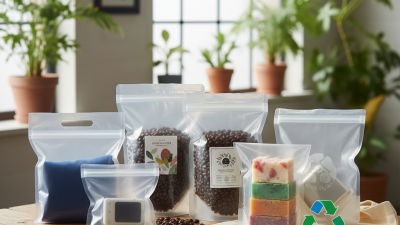
Many manufacturers are now exploring biodegradable and recyclable materials for pouches. These advancements promote a circular economy. However, not all pouches on the market meet these environmental standards. It's crucial for companies to verify the materials they use. Consumers benefit from transparency and can make informed choices. The challenge lies in balancing functionality with sustainability.
Recycling plastic pouches is not always straightforward. Many facilities lack the capability to process them, leading to misunderstandings about recycling. Therefore, education on proper disposal methods is key. As brands innovate with pouch designs, they also need to consider end-of-life solutions. Collaborations with recycling organizations can enhance the overall effectiveness of these eco-friendly innovations.
Top 10 Benefits of Using Plastic Pouches for Packaging
| Benefit |
Description |
| Lightweight |
Plastic pouches are significantly lighter than traditional packaging, reducing shipping costs and energy usage. |
| Eco-Friendly Options |
Many plastic pouches are made from recyclable materials and can be reused, contributing to sustainability efforts. |
| Customizable |
Pouches can be easily printed on and shaped to fit various product sizes, enhancing branding opportunities. |
| Cost-Effective |
Lower production costs and less material waste make plastic pouches a budget-friendly option for businesses. |
| Barrier Properties |
Plastic pouches provide excellent barrier protection against moisture, oxygen, and other environmental factors, preserving product freshness. |
| Space-Saving |
Flexible pouches occupy less shelf space compared to rigid containers, allowing for efficient storage and reduced transportation costs. |
| Product Visibility |
Clear plastic pouches allow visibility of the product, helping enhance consumer attraction and purchase decisions. |
| Convenience |
Many pouches are designed for easy opening and resealability, adding convenience for the consumer. |
| Reduced Carbon Footprint |
The production and transportation of lightweight pouches contribute to a lower overall carbon footprint compared to heavier packaging alternatives. |
| Innovative Designs |
The ability to create unique shapes and functionalities leads to innovative packaging solutions that stand out in the market. |