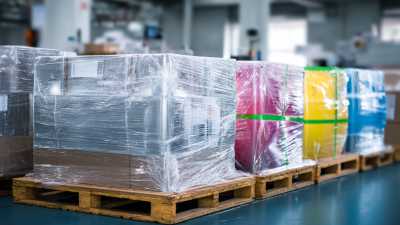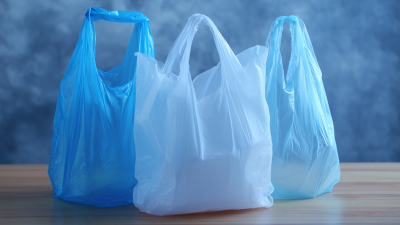
In today's competitive market, businesses continuously seek innovative solutions to enhance their product presentation. Plastic Wrapper Packaging stands out for its versatility and effectiveness. It not only ensures product safety but also boosts brand visibility. This packaging solution offers numerous benefits that can drive business growth.
One significant advantage is its lightweight nature. Businesses can save on shipping costs. Additionally, the clear design allows customers to see products easily. This transparency can influence purchasing decisions. Another aspect to consider is its environmental impact. While convenient, many wrappers are not biodegradable, posing challenges for sustainability efforts.
Companies must balance these benefits with the need for eco-friendly practices. Using Plastic Wrapper Packaging may lead to increased customer dissatisfaction if not addressed properly. Awareness of these issues is crucial for businesses aiming for a reputable image. Embracing both the advantages and potential drawbacks of this packaging method is essential for informed decision-making.
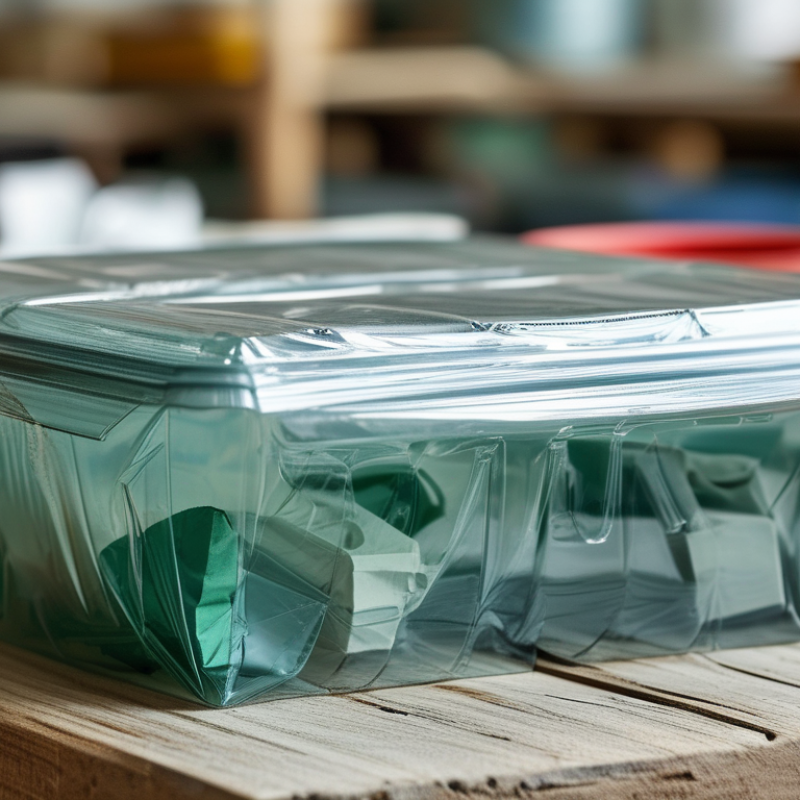
Plastic wrapper packaging plays a crucial role in product protection. This type of packaging is designed to shield items from moisture, dust, and dirt. Research shows that nearly 60% of products damaged in transit occur due to inadequate packaging. Businesses can reduce these losses significantly by utilizing plastic wrappers, which are durable and waterproof.
In addition to safeguarding products, plastic wrappers are lightweight. This reduces shipping costs and carbon footprints. According to a study by the Flexible Packaging Association, businesses can save up to 30% on shipping expenses by choosing flexible packaging solutions. However, it is important to consider the environmental impact of plastic. Transitioning to recyclable or biodegradable options can enhance sustainability efforts.
Tips: Always test your packaging under real conditions before deciding on a type. Consider feedback on how well products are protected. Assess whether your packaging aligns with your brand values for long-term trust. Keep in mind that while plastic wrappers offer numerous advantages, they should be part of a larger commitment to sustainable practices.
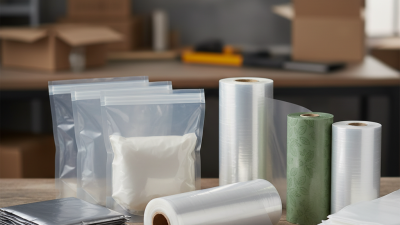
Plastic wrapper packaging offers significant advantages for businesses, particularly in terms of cost-effectiveness. Many companies find it more affordable than traditional packaging methods. Manufacturing plastic wrappers often requires less raw material, reducing production costs. This efficiency translates into lower prices for both producers and consumers, allowing businesses to optimize their profit margins.
Moreover, plastic wrappers are lightweight and compact. Their reduced shipping weight can lead to lower transportation costs. Businesses can save money on logistics while also minimizing their carbon footprint. However, there are some concerns about sustainability and waste. Companies need to balance cost savings with responsible sourcing and disposal of plastic materials.
Investing in biodegradable or recyclable plastic options can mitigate some environmental issues. While these biodegradable options may have a higher upfront cost, they appeal to eco-conscious consumers. This approach can enhance brand reputation and lead to long-term customer loyalty. Therefore, businesses must reflect on their packaging choices and weigh the economic benefits against environmental responsibility.
Plastic wrapper packaging plays a crucial role in extending product shelf life. Studies show that transparent plastic can reduce spoilage by up to 30%. This significant reduction often leads to substantial cost savings for companies. A longer shelf life means products remain sellable for more extended periods, allowing businesses to manage inventory better.
Moreover, the barrier properties of plastic wrappers prevent moisture loss and keep harmful bacteria at bay. For instance, flexible plastic films can maintain humidity levels, which is vital for food products. The average shelf life increase is around 40% when using high-quality plastic packaging. Businesses often report reduced waste and increased customer satisfaction due to fresh products.
However, it is essential to consider the environmental impact of plastic use. Many companies are now exploring biodegradable options or recycling methods to mitigate waste. Despite the undeniable benefits of plastic packaging in extending shelf life, this creates a responsibility for businesses to seek sustainable solutions. Balancing product longevity and environmental stewardship remains a significant challenge in modern packaging.
| Benefit | Description | Impact on Shelf Life |
|---|---|---|
| Enhanced Protection | Plastic wrappers provide a barrier against moisture, dust, and contaminants. | Prevents spoilage and maintains product integrity. |
| Cost-Effective | Lower production and material costs compared to glass or metal packaging. | Allows for more competitive pricing. |
| Lightweight | Reduces shipping costs due to lighter packaging. | Easier handling and transportation. |
| Customization | Easily customizable for branding and product information. | Enhances brand recognition and consumer appeal. |
| Sustainability Options | Biodegradable and recyclable plastic options become available. | Promotes eco-friendliness while preserving shelf life. |
| Tamper Evidence | Plastic wrappers can offer tamper-evident features for safety. | Builds consumer trust in product quality. |
| Extended Shelf Life | Helps preserve food freshness and prevent oxidation. | Reduces food waste significantly. |
| Consumer Convenience | Easy to open and reseal, enhancing user experience. | Encourages repeat purchases. |
| Versatile Use | Applicable for a wide range of products including food and non-food items. | Adaptability enhances market reach. |
| Regulatory Compliance | Meets industry standards for food safety and packaging. | Reduces legal risks associated with packaging compliance. |
Plastic wrap is a vital tool used across various industries. Its flexibility allows it to conform to different shapes and sizes. This adaptability is especially beneficial in food packaging. Restaurants and grocery stores utilize plastic wrap to keep perishable items fresh. It also aids in reducing food waste, an ever-growing concern.
In healthcare, plastic wrap offers unique solutions. Hospitals use it to maintain sterile environments. It is also effective in protecting medical supplies during transportation. The lightweight nature of plastic wrap reduces shipping costs, making it appealing for many businesses.
Despite its many advantages, challenges exist. Plastic wrap can contribute to environmental waste. Many companies are exploring sustainable alternatives. This ongoing dialogue highlights the need for innovation in packaging. Businesses must balance practical benefits and environmental responsibilities.
Sustainability is becoming critical for businesses in all sectors.
Plastic wrapper packaging solutions have evolved with these trends in mind. Eco-friendly materials are now available, allowing companies to reduce their
environmental footprint. Recyclable or biodegradable options exist.
These materials help businesses meet regulatory demands and customer expectations.
Many companies are exploring sustainable sourcing. They seek suppliers who prioritize reduced plastic use.
This not only enhances brand reputation but also shows responsibility. However, challenges remain. Proper disposal or recycling systems are often not in place.
Some consumers lack awareness of how to recycle packaging correctly.
The cost of sustainable packaging can be higher in the short term. Businesses must weigh the benefits against initial investments. Long-term, these solutions can lead
to savings and efficiency. As consumer preferences shift,
sustainability in packaging is becoming a necessity, not just a trend.