2026 Top Plastic Bag Solutions for Global Buyers How?
As the global market evolves, the demand for sustainable solutions intensifies. Plastic bags remain a focal point in this discussion. Their convenience is undeniable; however, their environmental impact raises critical concerns. Buyers now seek innovative alternatives that align with eco-friendly practices.
In 2026, identifying top plastic bag solutions is paramount. Options must address consumer needs while considering sustainability. It is essential to understand materials, durability, and lifecycle assessments when evaluating products. Buyers must rely on suppliers who demonstrate expertise in eco-conscious designs.
The quest for better plastic bag options is ongoing. Many products claim sustainability but fall short. An informed approach can lead to better choices. It is crucial to question the authenticity of claims made by manufacturers. This diligence ensures that buyers contribute positively to the environment while fulfilling their packaging needs.
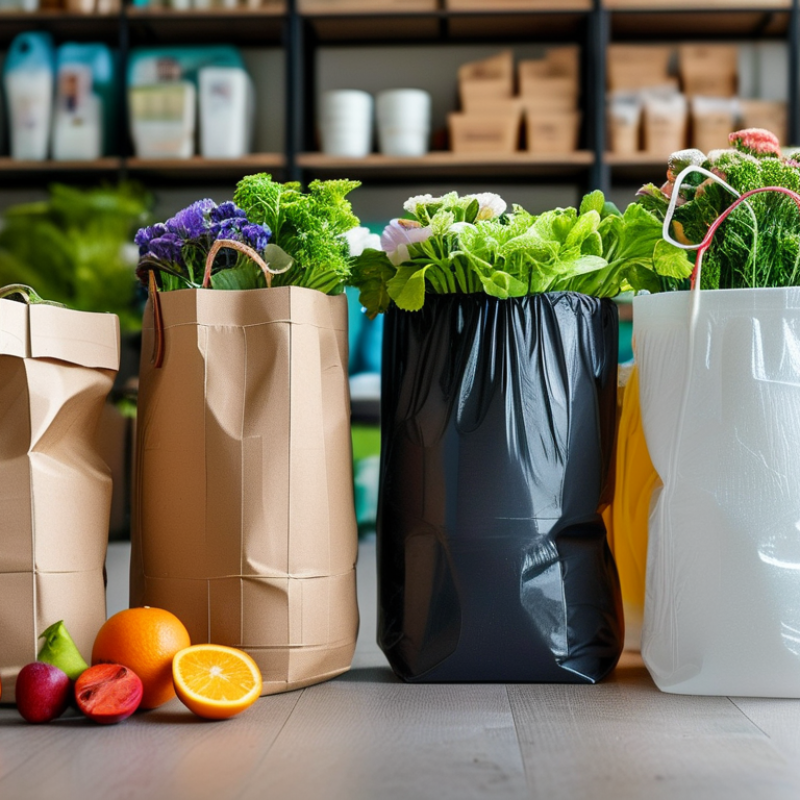
Overview of the Plastic Bag Industry Trends for 2026
The plastic bag industry is evolving significantly as we approach 2026. According to a recent report by Smithers Pira, the global plastic bag market is expected to reach $5 billion by 2026. This growth indicates a strong demand, especially in developing regions, where convenience and affordability are key factors. However, rising environmental concerns are pushing for innovative solutions. The industry must adapt to the increasing regulations aimed at reducing plastic waste.
Sustainability is a major trend shaping the plastic bag landscape. Eco-friendly alternatives, such as biodegradable and compostable bags, are gaining traction. A study by Grand View Research highlights that biodegradable bags could capture a significant share of the market, potentially reaching 30% by 2026. Brands adopting these solutions may find themselves ahead of the curve, but they face challenges in supply chain adjustments and consumer education.
Not all innovations guarantee success. While many companies are investing in sustainable materials, the performance of these bags often does not meet customer expectations. Consumers still report issues with strength and usability compared to traditional plastic bags. The balance between sustainability and functionality will require ongoing research and development, as stakeholders navigate this complex transition in the plastic bag market.
Sustainable Materials: Innovations in Eco-Friendly Plastic Bags
The demand for eco-friendly plastic bags is rising. Innovative materials are at the forefront of this transition. According to a report by ResearchAndMarkets, the global market for sustainable plastic bags is expected to reach $20 billion by 2026. This growth reflects a shift towards environmentally responsible products.
Many businesses are investing in biodegradable and compostable alternatives. Materials like plant starch and recycled content are gaining traction. The European Bioplastics Association states that bioplastics could reduce carbon footprints significantly. However, challenges remain. The production processes can still be resource-intensive.
Consumer awareness is crucial. Studies show that 65% of shoppers prefer eco-friendly options. Yet, only 30% understand what constitutes true sustainability. This gap highlights the importance of education and transparency. Companies must not only innovate but also communicate the benefits clearly. The journey to sustainability may be complex, yet worthwhile for both the environment and the marketplace.
2026 Top Plastic Bag Solutions for Global Buyers
This chart illustrates the market demand for various types of sustainable plastic bags in 2026, indicating a growing preference for eco-friendly solutions among global buyers.
Regulatory Impacts: Key Legislation Affecting Global Plastic Bag Usage
As plastic bag usage continues to face scrutiny, regulatory impacts are reshaping the industry landscape. Countries around the world are adopting policies to curb plastic waste. These regulations vary widely, from outright bans to taxes and incentives for sustainable alternatives. For instance, some regions now require fees for plastic bags, prompting consumers to reconsider their purchasing habits.
Legislation plays a crucial role in driving change. The European Union's directive on single-use plastics exemplifies a proactive approach to address environmental issues. This regulation not only targets plastic bags but also encompasses a broader range of items. As compliance becomes mandatory, manufacturers must adapt their production processes. However, not all regions have strong laws in place, creating inconsistencies in how plastic bag usage is managed globally.
Under these evolving regulations, companies face challenges. It’s essential to navigate this complex landscape while maintaining sustainable practices. Developing biodegradable options is one avenue being explored. Yet, questions remain about the efficacy and scalability of these solutions. Many producers are still resistant to change, highlighting a need for further reflection on sustainability within the industry.
2026 Top Plastic Bag Solutions for Global Buyers
| Region |
Legislation |
Impact on Usage |
Plastic Bag Solutions |
Projected Market Growth (%) |
| North America |
Plastic Bag Bans |
Decrease in single-use plastic |
Biodegradable options |
4.5% |
| Europe |
EU Single-Use Plastics Directive |
Significant reduction in plastic bags |
Reusable fabric bags |
6.2% |
| Asia-Pacific |
Local plastic bag regulations |
Varied impact by country |
Compostable bags |
5.0% |
| Latin America |
Plastic Bag Tax |
Decreased bag consumption |
Recyclable bags |
3.7% |
| Middle East & Africa |
Emerging regulations |
Growing awareness |
Plant-based bags |
2.9% |
Consumer Preferences: Shifting Attitudes Toward Plastic Bag Solutions
Consumer preferences regarding plastic bag solutions are shifting significantly. Growing environmental awareness is influencing these attitudes. Many individuals are now seeking alternatives that are more sustainable. Reusable and biodegradable options are gaining traction in various markets. People are increasingly concerned about the impact of plastic waste on the planet. This change in mindset is leading to a demand for innovative solutions.
Some consumers still cling to traditional plastic bags. Convenience often trumps environmental considerations for many. However, as education spreads, more buyers are reevaluating their choices. The dialogue surrounding plastic alternatives is becoming mainstream. Retailers are taking notice. They are now offering a wider range of eco-friendly products to cater to this evolving market. The challenge lies in balancing cost, accessibility, and environmental responsibility.
As consumers express their preferences, manufacturers face pressure to innovate. They must address the increasing scrutiny of their products. This transition may not be seamless. Existing infrastructure and habits can hinder rapid change. Yet, the movement towards sustainable solutions is clear. The future of plastic bags is uncertain, which invites reflection on both consumer choices and industry practices.
Market Leaders: Companies Pioneering the Future of Plastic Bags
The plastic bag industry is evolving rapidly. Companies are exploring innovative solutions for a sustainable future. These market leaders understand the need for eco-friendly alternatives. They invest in research and development to create biodegradable options. This shift reflects a growing awareness of environmental impact.
Recent trends show increased consumer demand for recyclable products. Smaller companies, often startups, are joining this movement. They bring fresh ideas to the table. Some focus on using plant-based materials, while others emphasize durability and reusability. These diverse approaches highlight the industry's potential for growth and adaptation.
However, challenges remain. Many consumers still favor traditional plastic bags due to convenience. Educating the public about the benefits of alternatives is essential. Additionally, the cost of production for eco-friendly bags can be higher. This presents a barrier for widespread adoption. Industry leaders must address these issues while pushing for innovation. Solutions will require collaboration across sectors to align goals and strategies.