Top 10 Bags of Plastic for Global Buyers in 2026?
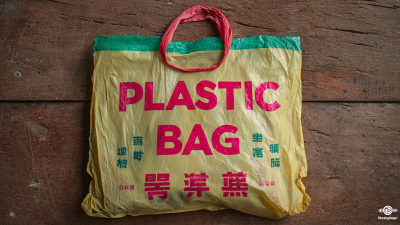
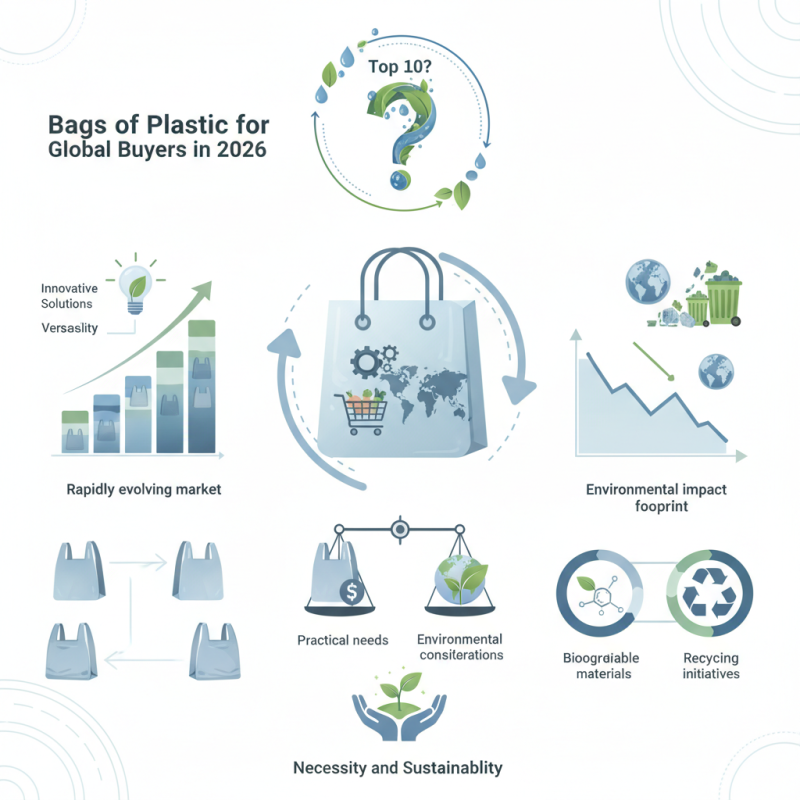
In the rapidly evolving market of 2026, global buyers increasingly seek innovative solutions in packaging. One item gaining attention is the "Bag Of Plastic." These bags serve various purposes, from everyday shopping to industrial applications. Their versatility makes them a staple in many industries.
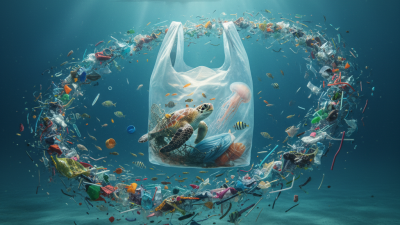
However, concerns about environmental impact have sparked debates. The convenience of plastic bags often overshadows their ecological footprint. As buyers become more conscious, manufacturers face pressure to innovate sustainably. The exploration of biodegradable materials and recycling initiatives reflects this shift.
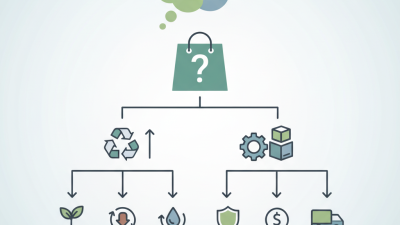
Choosing the right Bag Of Plastic is not just about utility. It involves weighing environmental considerations alongside practical needs. As we navigate these choices, it is important to reflect on our consumption habits. Ultimately, the future of plastic bags hangs in a delicate balance between necessity and sustainability.
Trends in Plastic Bag Production and Sustainability for 2026
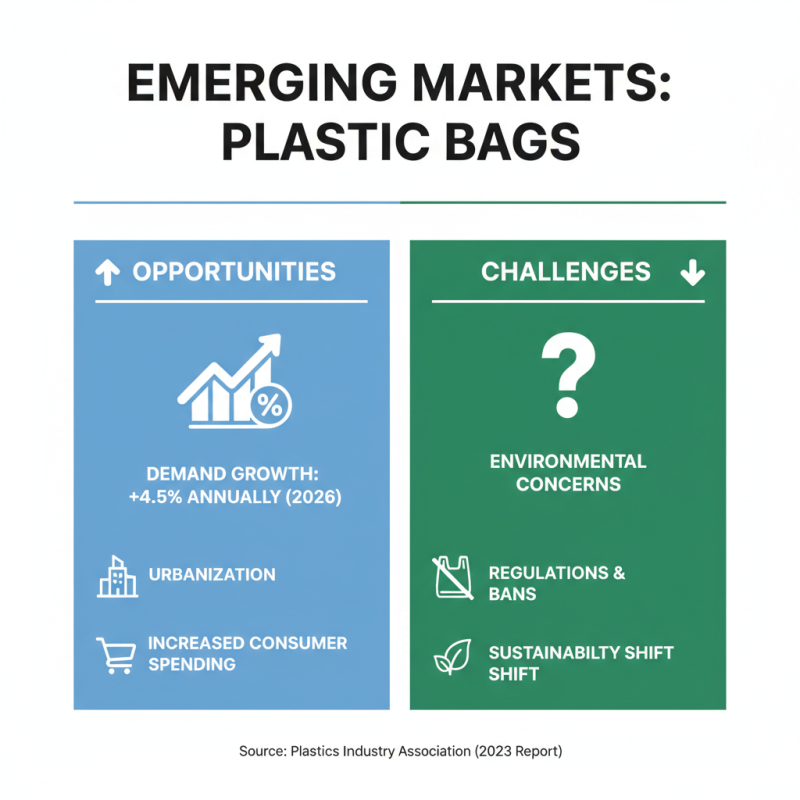
As we approach 2026, plastic bag production is undergoing significant transformations driven by sustainability initiatives. Industry reports indicate that the global market for biodegradable plastic bags is projected to grow at a compound annual growth rate (CAGR) of 28% from 2021 to 2026. This is fueled by rising consumer demand for eco-friendly alternatives.
Many manufacturers are exploring innovative materials, such as corn starch and other biopolymers, which provide environmentally safe options. However, the transition to these materials is not without challenges. The cost of production remains high, often deterring widespread adoption. Additionally, recycling infrastructure is still inadequate in many regions, leading to a high level of waste in landfills.
Consumer awareness is crucial for change. A recent survey revealed that 77% of respondents prefer to buy products in sustainable packaging. Nonetheless, misinformation about biodegradable plastics persists. Many consumers falsely believe that all biodegradable bags automatically decompose in landfills. This misconception undermines genuine sustainability efforts. The industry must strive for clearer communication and education to foster informed choices among buyers.
Key Features to Consider When Selecting Plastic Bags for Import
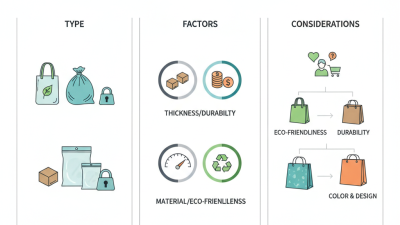
When selecting plastic bags for import, several key features should be considered.
First, assess the material type used. Different plastics offer varying levels of durability and flexibility. For instance, high-density polyethylene (HDPE) is strong and resistant to chemicals, while low-density polyethylene (LDPE) provides stretchability. Choosing the right material can greatly impact the bag's usability.
Another critical factor is the size and capacity of the bags.
Think about the intended use. Are the bags for packaging heavy items or lightweight products? Knowing the weight tolerance helps in avoiding overpacking, which can lead to product damage.
Focus on quantities too. Bulk orders often provide cost benefits but require careful planning.
Tips for buyers:
Always request samples before finalizing your order. This allows for a hands-on assessment of quality. Consider environmental impact as well. Biodegradable options are becoming popular and can enhance your brand's image. Reflect on how choices affect sustainability. Ensure that the suppliers follow ethical practices, as this respect builds a trustworthy partnership.
These insights can lead to better selections in the plastic bag market.
Environmental Regulations Impacting Plastic Bag Usage Globally
As the global market evolves, environmental regulations significantly shape the future of plastic bag usage. Many countries are tightening restrictions on single-use plastics. This shift reflects a growing awareness of the environmental impacts associated with plastic waste. Cities around the world are implementing bans, while others encourage biodegradable alternatives. This trend influences consumer choices, pushing them towards eco-friendly options.
Regulatory changes are not uniform. Countries differ in their approaches, which creates a complex landscape for global buyers. Some regions have adopted strict penalties for plastic bag use, while others take a softer approach, focusing on education and incentives. These variations compel manufacturers to adapt quickly and adopt sustainable practices, reflecting shifting consumer expectations.
However, the journey toward sustainable plastic use is not without its challenges. Some companies struggle to innovate amid increasing pressure. Others might find themselves lagging behind due to inadequate resources or knowledge. This inconsistency can lead to market gaps, affecting availability and pricing. Buyers must navigate these complexities, making choices that align with both regulations and their values.
Innovations in Biodegradable and Recyclable Plastic Bags
The future of plastic bags is evolving rapidly. Innovations in biodegradable and recyclable options are gaining momentum. These breakthroughs aim to address the environmental crises caused by traditional plastics. Manufacturers are now utilizing organic materials to create biodegradable bags that decompose effectively. They offer similar functionality as regular plastic without the long-lasting pollution.
Another interesting development is in the recycling process. Enhanced techniques are emerging that allow plastic bags to be reprocessed more efficiently. This minimizes waste and encourages a circular economy approach. However, challenges remain. Not all plastic bags are easily recyclable. Many consumers are unaware of proper disposal methods, which complicates recycling efforts.
Active research continues to improve these products. Experts are exploring the use of plant-based polymers. These materials show promise for reducing reliance on petroleum-based plastics. There is uncertainty about costs and scalability. Affordable alternatives are crucial for widespread adoption. The shift towards more sustainable plastic bags represents a complex journey, filled with both opportunities and obstacles.
Top 10 Bags of Plastic for Global Buyers in 2026 - Innovations in Biodegradable and Recyclable Plastic Bags
| Rank |
Bag Type |
Material |
Biodegradable |
Recyclable |
Estimated Price (USD) |
Key Features |
| 1 |
Shopping Bag |
PLA (Polylactic Acid) |
Yes |
Yes |
0.50 |
Compostable and renewable material |
| 2 |
Rubbish Bag |
HDPE (High-Density Polyethylene) |
No |
Yes |
0.10 |
Strong and durable for waste management |
| 3 |
Produce Bag |
Biopolymer Blend |
Yes |
Yes |
0.20 |
Lightweight and breathable |
| 4 |
Delivery Bag |
Recycled PET |
No |
Yes |
0.75 |
Durable and reusable |
| 5 |
Trash Bag |
LDPE (Low-Density Polyethylene) |
No |
Yes |
0.15 |
Flexible and stretchable |
| 6 |
Compostable Bag |
Cornstarch-Based |
Yes |
Yes |
0.40 |
Eco-friendly and compostable |
| 7 |
Zipper Bag |
PE (Polyethylene) |
No |
Yes |
0.30 |
Sealable for storage |
| 8 |
Gift Bag |
Kraft Paper Blend |
Yes |
Yes |
0.80 |
Stylish and sturdy |
| 9 |
Ice Bag |
Polypropylene |
No |
Yes |
0.60 |
Durable for cold storage |
| 10 |
Laundry Bag |
Nylon Blend |
No |
Yes |
1.00 |
Washable and reusable |