Effective Tips for Choosing Plastic Wrapper Packaging?
Choosing the right plastic wrapper packaging is crucial in today's fast-paced market. According to a study by Smithers Pira, the global flexible packaging market is expected to reach $300 billion by 2025. This growth highlights the rising importance of effective packaging solutions. Plastic wrapper packaging often plays a vital role in product protection, shelf life, and consumer appeal.
However, selecting the perfect plastic wrapper is not always straightforward. Many businesses struggle with balancing sustainability and functionality. Reports indicate that around 78% of consumers prefer environmentally friendly packaging. This demand drives companies to rethink their wrapper choices to avoid backlash and to satisfy eco-conscious shoppers.
Furthermore, with an increase in e-commerce, the type of plastic wrapper packaging can greatly impact shipping costs and customer experience. Many companies still overlook this aspect, leading to wasted resources and subpar customer satisfaction. Thus, understanding the nuances of plastic wrapper packaging is essential for any brand aiming to thrive in a competitive landscape. Engaging in thoughtful selection can make a significant difference.
Understanding the Importance of Plastic Wrapper Packaging Choices
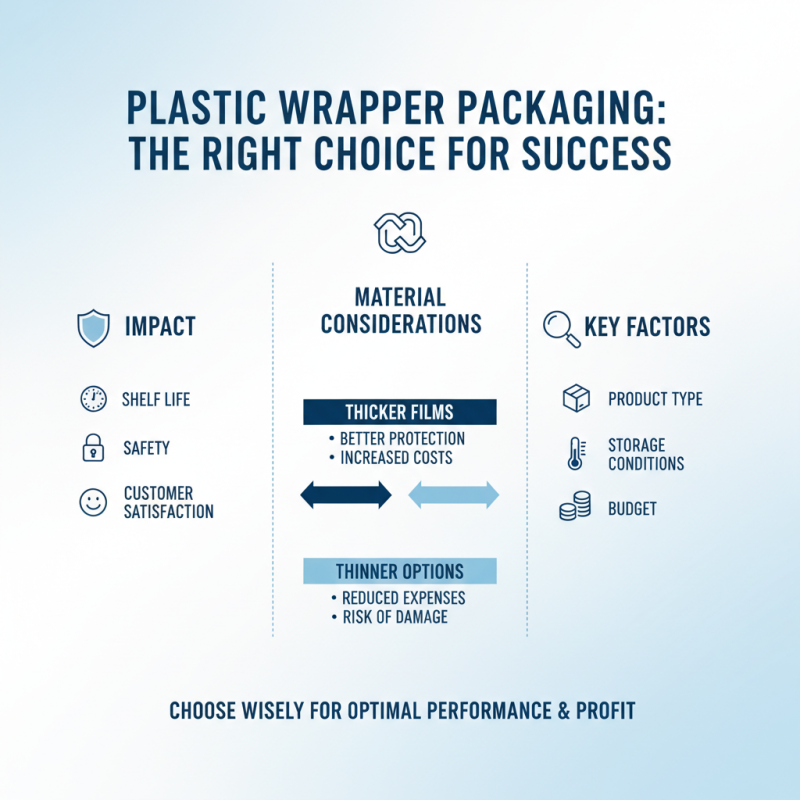
Choosing the right plastic wrapper packaging can significantly impact your product's success. This choice affects shelf life, safety, and customer satisfaction. It's vital to understand how various materials perform under different conditions. For instance, thicker films may offer better protection but could increase costs. On the other hand, thinner options might reduce expenses but risk damage.
Additionally, consider the environmental impact of your packaging. Some plastic materials are more recyclable than others. Striking a balance between cost and sustainability is challenging. It’s not just about choosing what’s cheaper. Think about how consumers perceive your brand based on packaging. Customers today often favor eco-friendly choices.
It's easy to overlook details in packaging. Small choices can lead to significant consequences. For example, poor sealing can lead to spoilage. Similarly, an incorrect size may cause excess waste. Reflecting on these factors is crucial for making informed decisions.
Evaluating Different Types of Plastic Wrappers Available
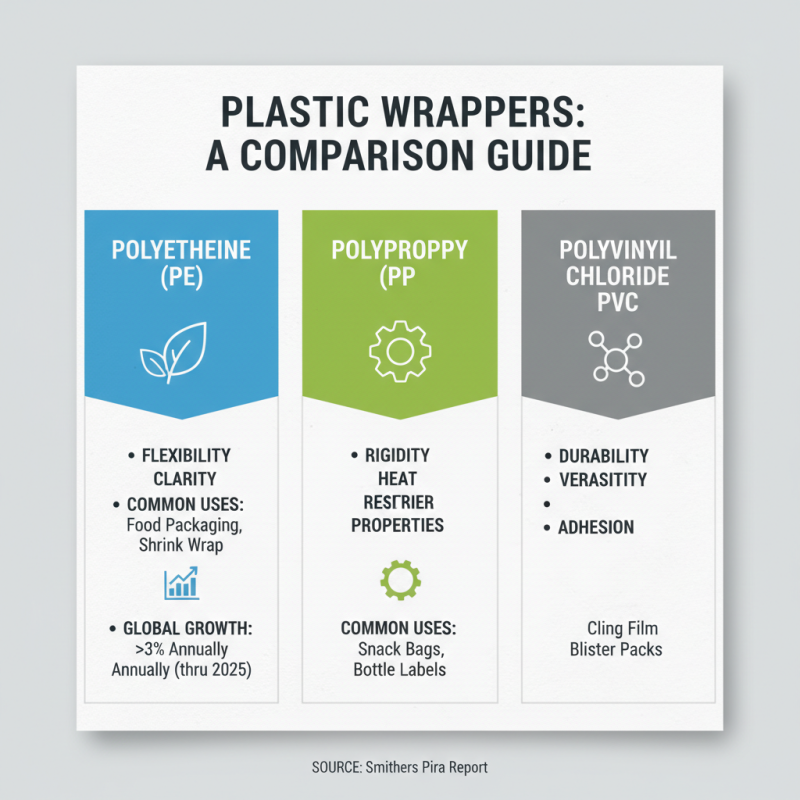
When evaluating different types of plastic wrappers, it’s crucial to understand their features. The market offers several options, including polyethylene (PE), polypropylene (PP), and polyvinyl chloride (PVC). Each type has unique characteristics that affect usability. For instance, PE is often favored for its flexibility and clarity. According to a report by Smithers Pira, the global demand for PE films is expected to grow by over 3% annually through 2025.
However, alongside advantages, there are limitations. PVC, while a popular choice for food packaging, raises environmental concerns. The production and disposal of PVC can release harmful substances. In fact, studies from Euromonitor International spotlight that consumers are increasingly wary of PVC due to its potential impacts on health and the environment. This hesitation can lead to a preference for more sustainable options, like biodegradable alternatives.
Understanding these factors is essential. The right choice of plastic wrapper doesn’t only depend on physical properties but also considers consumer perceptions. The growing emphasis on eco-friendliness suggests that businesses should rethink their packaging strategies. They need to balance cost-effectiveness and sustainability. As the market evolves, keeping an eye on trends and making informed decisions will shape the success of packaging solutions.
Key Factors to Consider When Selecting Plastic Wrapper Materials
Choosing the right plastic wrapper material can be challenging. There are several key factors to consider in this process. First, the type of product you want to wrap plays a crucial role. Different products require different levels of protection. For fragile items, thicker materials may be more suitable.
Consider also the environmental impact of your packaging. Many consumers prioritize sustainability. Look for recyclable options. Not all plastic wraps are eco-friendly. You might face guilt if your choice is harmful to the planet.
Cost can significantly influence your selection. Balancing quality and price is often tricky. Cheaper options might seem tempting but can lead to packaging failures. Reflect on whether short-term gains justify long-term consequences. Finding a reliable supplier is important. Not all suppliers offer the same quality of materials. It’s worth investing time in researching. This step can save you from headaches later on.
Effective Tips for Choosing Plastic Wrapper Packaging
| Key Factor |
Description |
Considerations |
| Material Type |
Choose the appropriate plastic, such as polyethylene or polypropylene, based on the product's requirements. |
Consider clarity, flexibility, and barrier properties needed for the product. |
| Thickness |
Thickness impacts durability and protection level. |
Evaluate the balance between protection and cost. |
| Sealing Method |
Determine the best sealing method for your packaging needs (heat seal, cold seal, etc.). |
Ensure it provides a secure, tamper-proof package. |
| Sustainability |
Consider using recyclable or biodegradable materials. |
Evaluate the impact on the environment and regulatory compliance. |
| Cost |
Analyze the overall cost-effectiveness of the packaging solution. |
Consider the balance between quality and budget constraints. |
Sustainable Alternatives to Traditional Plastic Wrapper Packaging
Plastic wrapper packaging has long been a staple in various industries. However, the environmental impact is staggering. According to a 2021 report from the Ellen MacArthur Foundation, over 300 million tons of plastic waste are produced annually. This raises urgent questions about sustainability.
Many are now exploring sustainable alternatives. Biodegradable materials, for example, can decompose in a fraction of the time required for traditional plastics. A study by the Journal of Cleaner Production found that these alternatives can reduce greenhouse gas emissions by up to 75%. Features like compostability make them attractive for many businesses.
Yet, challenges remain. Not all biodegradable wrappers break down effectively in compost systems. Some still require specific conditions to decompose. Companies must research and adapt to ensure their Materials are both effective and environmentally friendly. It's not a straightforward path. Transitioning requires effort and thoughtful decision-making. More innovation is needed to balance functionality with sustainability in packaging.
Plastic Wrapper Packaging Choices and Sustainability Index
Best Practices for Ensuring Proper Use of Plastic Wrappers
When selecting plastic wrappers, proper usage is key to efficiency. Consider choosing the right thickness. Thicker wrappers often provide better durability, while thinner options can be more flexible. Don't forget about the material type; some are better for specific food items.
Secure sealing is crucial. Make sure to check your sealing technique. An imperfect seal can let air in and compromise the contents. If you’re working with perishable items, reinforce the edges. Moisture can escape, leading to spoilage. It’s vital to monitor the condition of your wrappers regularly.
Keep in mind that not all wrappers are created equal. Sometimes, they might not fit your needs perfectly. Reflect on how you can improve your storage practices. Use markers to label contents and dates. This helps track freshness more effectively. Maintain a tidy workspace to avoid complications with plastic waste.