Top Tips for Choosing the Best Plastic Bag for Food?
Choosing the right Plastic Bag for Food is crucial for food safety and freshness. According to renowned packaging expert Dr. Jane Thompson, “The right bag preserves flavor and keeps food safe." This emphasizes the importance of selecting a quality bag.
When shopping for a Plastic Bag for Food, consider the type of food you will store. Some bags are better for liquids, while others are perfect for solid items. It's key to understand the differences. Think about how long the food will stay in the bag. Some materials break down faster than others, affecting food quality.
Many users overlook the importance of proper sealing. A bag that doesn't seal well can lead to spills or contamination. Always check labels for temperature resistance and the intended use of the bags. Sometimes, the cheapest option is not the best choice. Evaluate options carefully to ensure quality and safety.
Types of Plastic Bags Suitable for Food Storage
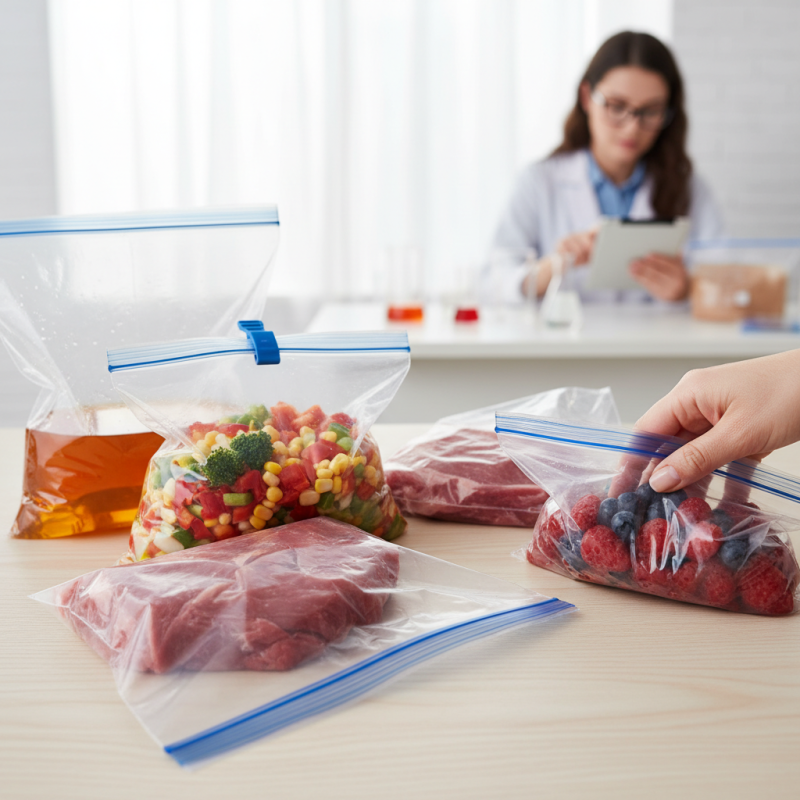
When it comes to food storage, choosing the right plastic bag is essential. Several types are available, each serving different purposes. Zip-top bags are popular for marinating meats and storing leftovers. They come in various sizes, making them versatile for different storage needs. However, not all zip-top bags are equal in thickness. Some might tear easily, which can lead to spills.
Another option is vacuum-seal bags. These are excellent for long-term food preservation. They remove air, preventing freezer burn and preserving freshness. However, they require special equipment for sealing. This can be a drawback for some users.
For quick snacks or sandwiches, resealable snack bags are ideal. They are lightweight and easy to use. But they might not be suitable for heavier items. Be cautious about the type of plastic. Some may leach chemicals, especially when used for hot foods. Always check the packaging for safety information.
Top Tips for Choosing the Best Plastic Bag for Food - Types of Plastic Bags Suitable for Food Storage
| Type of Plastic Bag |
Best Use |
Material |
Freezer Safe? |
Biodegradable Option |
| Ziplock Bags |
Storing leftovers and snacks |
LDPE (Low-Density Polyethylene) |
Yes |
No |
| Tissue Bags |
Packing sandwiches |
BPA-Free Plastic |
No |
Yes |
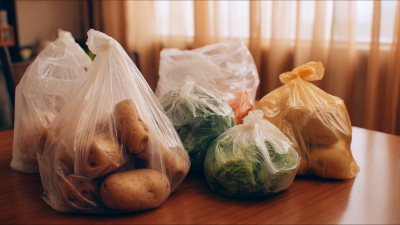
| Shopping Bags |
Carrying groceries |
HDPE (High-Density Polyethylene) |
No |
Yes |
| Vacuum Bags |
Long-term food storage |
Multi-layer Plastic |
Yes |
No |
| Bags for Produce |
Storing fruits and vegetables |
LDPE |
Yes |
Yes |
Key Factors to Consider When Selecting Food Plastic Bags
When selecting plastic bags for food, clarity and quality are essential. Research from the Food Packaging Institute indicates that about 73% of consumers prioritize food safety. Thus, choosing bags that are BPA-free and meet FDA standards is crucial. Many bags may look similar, but their safety varies widely.
Thickness matters. A study found that thicker bags, around 2.5 mil, can offer better puncture resistance. This prevents leaks and keeps food safe. But remember, many bags labeled as "food-safe" may not withstand high heat. It's vital to be cautious. Also, consider the bag's resealability. Resealable options can extend the freshness of your food significantly, according to recent surveys.
Finally, think about the environmental impact. The rise in biodegradable options is notable. Nearly 35% of consumers prefer eco-friendly bags; however, they sometimes come with a higher price tag. Reflect on how often you will use these bags. Are you truly making a sustainable choice, or are you being swayed by trends? That’s important to evaluate.
Understanding Plastic Bag Material and Its Safety for Food
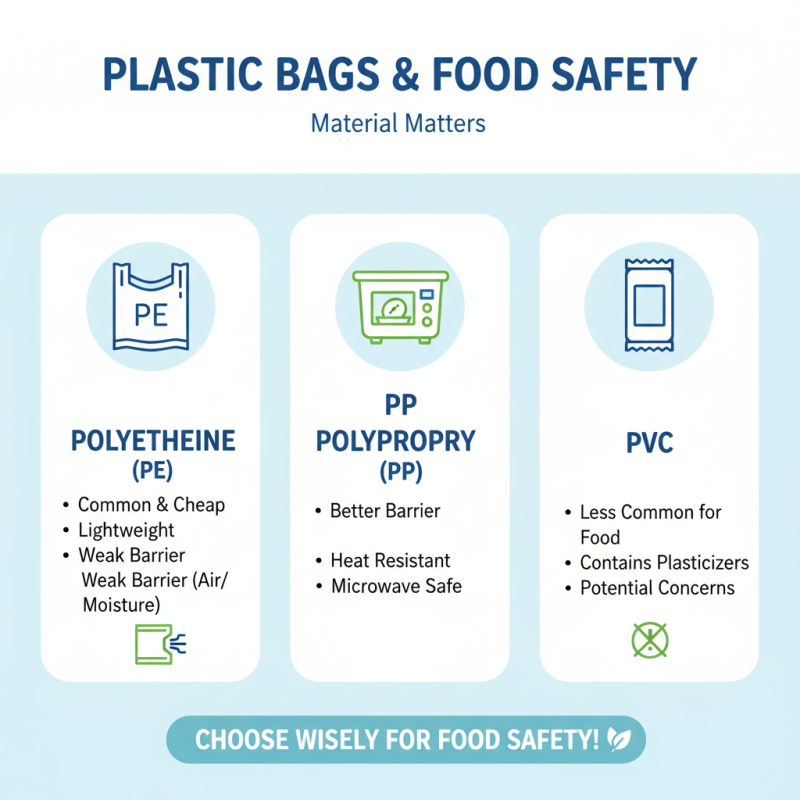
When selecting plastic bags for food, understanding the material is crucial. Various types exist: polyethylene, polypropylene, and PVC. Each has different properties affecting food safety. Polyethylene bags are common. They are lightweight and cost-effective but may not provide the best barrier against air and moisture.
Safety is a key concern. Not all plastic bags are safe for food storage. Look for bags labeled as food-safe. They are made from materials that won't leach harmful chemicals. This includes BPA-free options. Also, check for recycling symbols. They can indicate the type of plastic used.
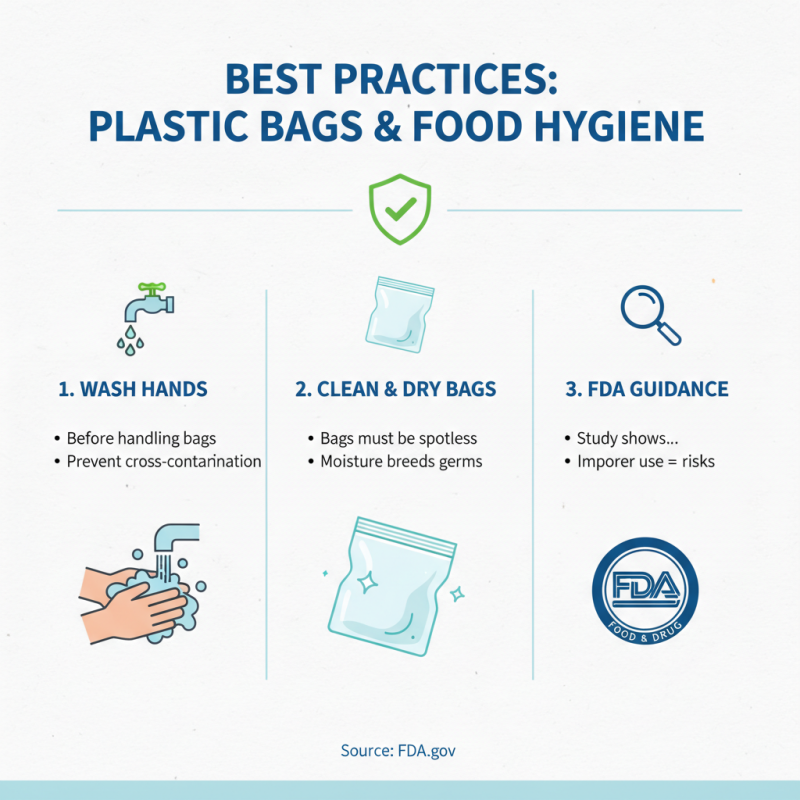
Here are some tips to guide your choices. Always wash your hands before handling bags. Store food in bags made for the specific purpose. Avoid reusing bags that held raw meat or fish. These can harbor harmful bacteria. Lastly, don’t freeze all types of plastic bags. Some may crack or become brittle.
Eco-Friendly Alternatives to Traditional Plastic Bags for Food
When selecting bags for food storage, eco-friendly options are gaining popularity. Traditional plastic bags contribute significantly to plastic pollution. According to a 2020 report by the World Economic Forum, approximately 300 million tons of plastic waste is produced globally each year. This alarming figure highlights the need for sustainable alternatives.
Biodegradable and compostable bags offer effective solutions. These products are made from plant materials, ensuring they break down naturally. However, many consumers are skeptical about their durability. Testing reveals that some eco-friendly bags can hold the same weight as standard plastic. Choosing wisely can impact the environment positively.
Tips for selecting eco-friendly bags include checking certifications. Look for labels indicating "biodegradable" or "compostable." These certifications verify the material's integrity and environmental benefits. Keep in mind that not all eco-friendly bags are created equal. Some may still require specific conditions for decomposition.
Consider reusable silicone bags as another alternative. They provide a sturdy option for food storage. They can be washed and reused numerous times, reducing waste significantly. However, they may not be suitable for all types of food. Reflect on your specific needs when choosing a bag. Balancing convenience and sustainability can be challenging, but small changes can lead to significant impacts.
Top Tips for Choosing the Best Plastic Bag for Food