What is Pouch Packing and How Does It Work?
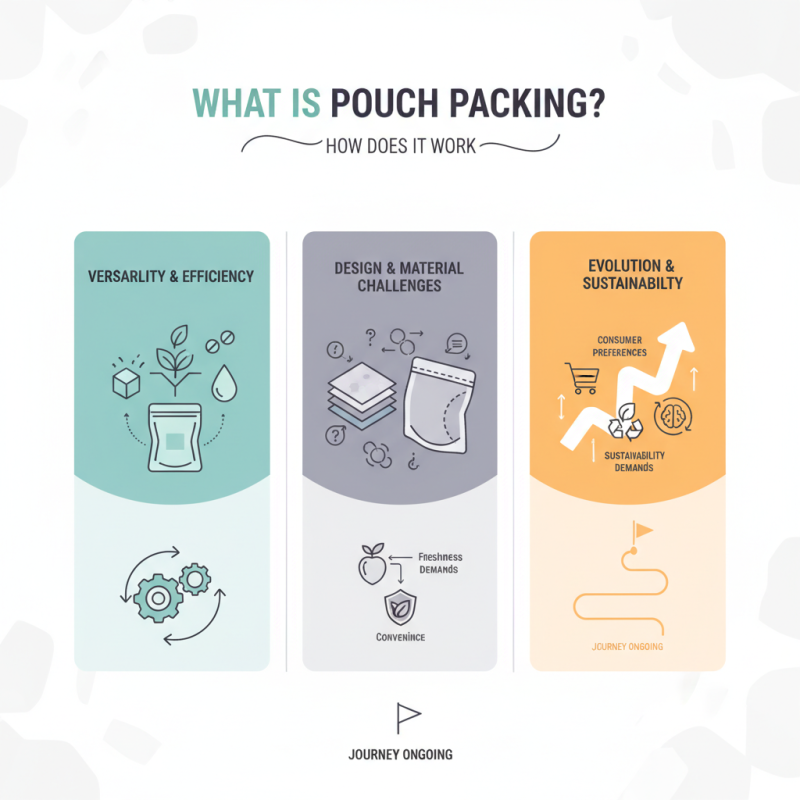
Pouch packing is a revolutionary solution in the packaging industry. According to David Thompson, an expert in packaging technology, "Pouch packing offers versatility and efficiency like no other method." This innovative technique is reshaping how products are contained, preserved, and delivered.
The process is not without its challenges. Many companies struggle with pouch design and material selection. The selection ensures product freshness and user convenience. For instance, the use of tear notches can enhance usability but may complicate production. Each decision impacts the overall efficiency and functionality of pouch packing.
As industries evolve, so does the need for better packaging solutions. Pouch packing must adapt to meet consumer preferences and sustainability demands. Balancing these factors requires reflection and ongoing adjustment. The journey toward optimal pouch packing is far from complete.
Definition of Pouch Packing and Its Importance in Packaging Industry
Pouch packing is a modern method of packaging that offers flexibility and convenience. This technique involves sealing products in flexible pouches made from various materials. The design can range from simple to sophisticated structures, making it a versatile choice for many industries. As consumers demand more from packaging, pouch packing meets needs effectively.
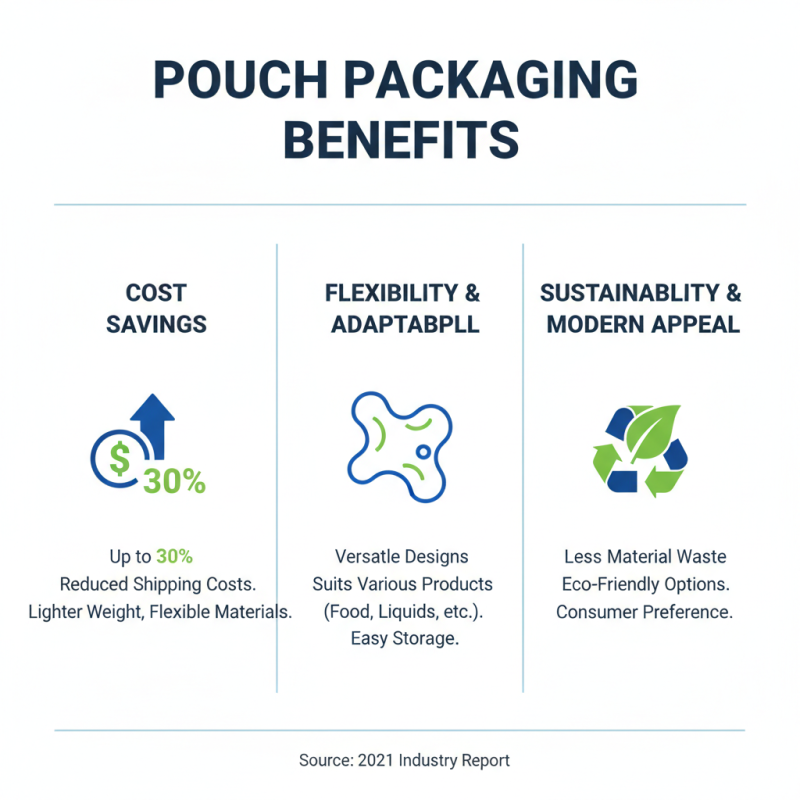
The importance of pouch packing in the packaging industry cannot be overstated. It reduces material waste significantly compared to traditional packaging methods. Pouches are lightweight, which lowers shipping costs and carbon footprints. However, there is still room for improvement. Not all materials used in pouches are recyclable or biodegradable. It's crucial for companies to consider sustainable options.
Consumers are drawn to the visibility of products in transparent pouches. This visual appeal helps in capturing attention on store shelves. Yet, not every pouch design stands out equally. Some may lack necessary information or durability. Balancing aesthetics and functionality is a challenge for many in the industry. As pouch packing evolves, striking this balance will be key to future success.
Types of Pouch Packing: Stand-Up, Flat, and Resealable Pouches
Pouch packing offers various designs catered to different needs. Stand-up pouches are popular for their ability to stand upright. They often feature a bottom gusset that allows them to hold more product. This design is ideal for products that require visibility on shelves. Many use stand-up pouches for snacks, pet food, and coffee.
Flat pouches are another option. These pouches lay flat, providing easy storage. They are commonly used for single-serve items like sauces or powders. The simplicity of the design makes it easy to seal. However, flat pouches may not be as eye-catching as their stand-up counterparts.
Resealable pouches combine convenience and functionality. They come with a zipper or adhesive seal, which allows for multiple uses. This feature is essential for products that need to remain fresh after opening. However, some users find the resealing mechanism can wear out over time. It's crucial to consider this when choosing the right packaging. Each type of pouch has its advantages and disadvantages. The choice often depends on the product and its target market.
Pouch Packing Types and Their Market Share
Key Components and Materials Used in Pouch Packing
Pouch packing is becoming increasingly popular in various industries due to its efficiency and versatility. Key components of pouch packing include the pouch itself, sealing techniques, and filling methods. Generally, pouches are made from multiple layers of materials such as polyethylene, aluminum, or PET. These materials provide durability and barrier protection, essential for preserving product quality. According to a recent industry report, the global flexible packaging market reached over $250 billion in 2022, indicating a robust growth trend.
Choosing the right materials is crucial. For food products, consider using materials that enhance shelf life. Research shows that pouches can extend the freshness of items by 30-50% compared to traditional packaging. However, not all materials are suitable for every product. A misstep can lead to spoilage. Often, manufacturers overlook this.
Tip: When selecting pouch materials, prioritize compatibility with your product. Consider testing different combinations to find the best fit. Proper sealing techniques also impact the final product. A poorly sealed pouch can lead to leaks or contamination.
Using eco-friendly materials is a growing trend. It can reduce environmental impact. However, transitioning to sustainable options may come with challenges. Some biodegradable materials may not offer the same shelf-life benefits. Careful consideration is needed. Balancing functionality and sustainability is vital.
What is Pouch Packing and How Does It Work? - Key Components and Materials Used in Pouch Packing
| Component |
Description |
Materials Used |
| Pouch |
The flexible container that holds the product, designed for ease of use and storage. |
Polyester, Nylon, Laminated films |
| Seal |
The part of the pouch that closes the opening, ensuring product integrity and shelf life. |
Heat seal, Cold seal adhesives |
| Inlet |
The opening designed for filling the pouch with product. |
Tubes, Spouts, Zippers |
| Additives |
Enhancements added to the pouch material for performance, durability, or aesthetic appeal. |
Colorants, UV stabilizers, Anti-static agents |
| Print |
The graphical design on the pouch that provides branding and information. |
Flexographic inks, Digital printing inks |
How Pouch Packing Machines Operate: A Step-by-Step Process
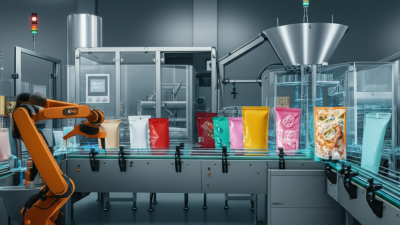
Pouch packing is a popular method for packaging a variety of products. It streamlines the packaging process and offers convenience. Pouch packing machines are crucial in this system, automating various stages of production. The machines work with precision, ensuring quick and efficient packaging.
The operation of pouch packing machines begins with material feeding. The machine draws in film rolls. This film material becomes the pouch. Sensors detect the film position for accurate cutting. After cutting, the machine forms a pouch shape. It then moves to the filling stage. Products are fed into the pouches, using diverse mechanisms based on the product type.
Sealing is the next critical step. The machine applies heat or pressure to seal the pouches securely. This ensures product freshness and integrity. Lastly, pouches are trimmed and printed with necessary labels. Watching the process can be fascinating but may also raise questions about efficiency and waste. Is the machinery always perfect? Perhaps not, as occasional malfunctions happen. These uncertainties require attention to improve the whole process.
Benefits of Pouch Packing for Products and Manufacturers
Pouch packing has gained popularity among manufacturers for various reasons. The flexibility and lightweight nature of pouches reduce shipping costs. According to a 2021 industry report, companies can save up to 30% on freight costs by using pouches instead of traditional rigid packaging. This is significant for brands looking to optimize their supply chains.
Benefits of pouch packing include better product shelf life. Pouches often have advanced sealing technology that keeps moisture and air out. This leads to less spoilage. A study indicated that products packaged in pouches can last up to 50% longer compared to those in jars or boxes. Such longevity means reduced waste for businesses and consumers alike.
Tips for using pouch packing include testing different materials and seal types. Not every product will suit every pouch. It may take time to find the right fit. Regularly review your packaging process. Are there any leaks or issues? Continuous improvement is key to maximizing the benefits of pouch packing. Also, consider the environmental impact. Sustainable options are available, but they may require a higher initial investment. Ultimately, refocusing on pouch packing can yield substantial advantages, yet it's essential to evaluate it critically.