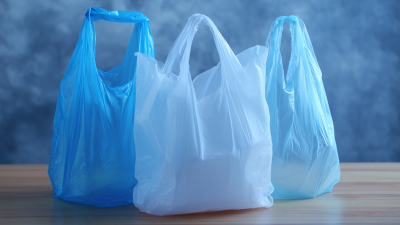
Why Are Plastic Plastic Bags Still Used Despite Environmental Concerns
The persistent prevalence of plastic plastic bags in our daily lives raises critical questions regarding their impact on the environment. Despite growing awareness about the ecological repercussions of plastic waste, a staggering 1 trillion plastic bags are still consumed globally each year, according to data from the World Economic Forum. This staggering statistic highlights not only consumer habits but also the challenges faced by policymakers and environmentalists in promoting sustainable alternatives.
Moreover, a report from the European Commission indicates that less than 30% of plastic plastic bags are recycled, with the vast majority ending up in landfills or the ocean. The durability and convenience of these bags often outweigh concerns for environmental sustainability, leading to resistance against regulatory measures aimed at reducing their use. This troubling trend reflects a significant gap between public awareness of plastic pollution and individual behavior, suggesting that while environmental concerns are acknowledged, they do not always translate into actionable change.
In sum, while the detrimental effects of plastic plastic bags on ecosystems are well-documented, their continued usage signals a need for further dialogue and innovative solutions to foster a more sustainable approach to consumer goods. Addressing this issue requires not only enhanced recycling efforts but also a fundamental shift in societal attitudes towards plastic consumption.

The Persistent Popularity of Plastic Bags in Consumer Markets
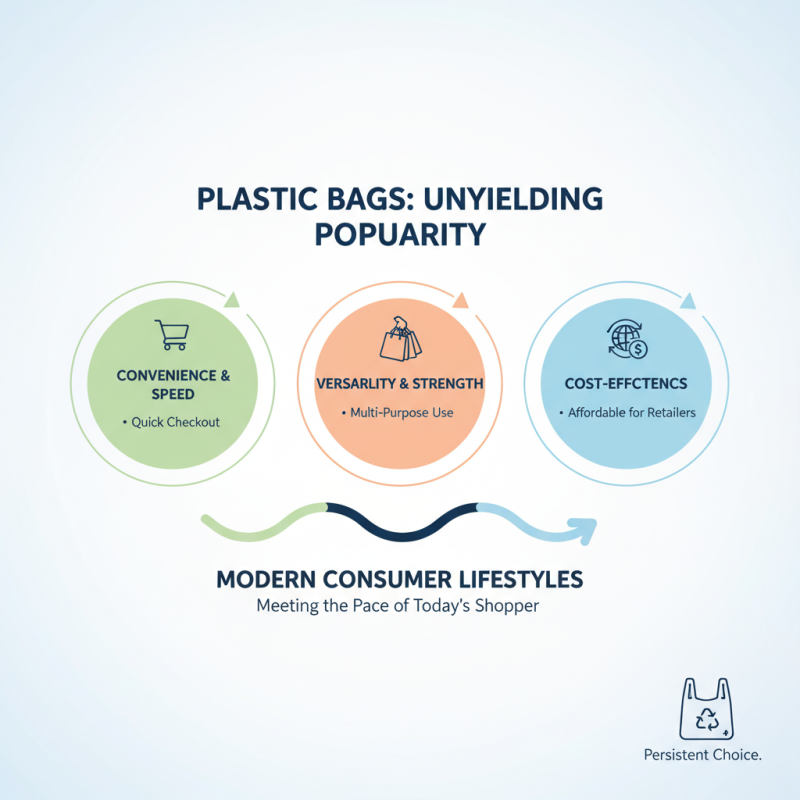
The persistent popularity of plastic bags in consumer markets can be attributed to a variety of factors that cater to modern consumer lifestyles. Firstly, their convenience and versatility make them a preferred choice for shoppers. Retailers often provide plastic bags at checkout lines, allowing customers to pack their purchases quickly and efficiently. This immediate gratification aligns with the fast-paced nature of today’s shopping experiences, making plastic bags a go-to option for many.
Despite the mounting environmental concerns surrounding plastic waste, consumers have shown a reluctance to entirely abandon these ubiquitous bags. Many shoppers appreciate their lightweight nature and durability, which can often hold a significant amount of goods without tearing. Additionally, the perception that plastic bags are free adds to their allure, as consumers may be less inclined to invest in reusable alternatives. This economic rationale further infuses plastic bags with an appeal that complicates efforts to promote more sustainable practices.
**Tips for Reducing Plastic Bag Usage:**
- Consider carrying a reusable bag when shopping to reduce reliance on single-use plastic bags.
- Check if your local grocery store offers incentives for using reusable bags, such as discounts or rewards points.
- Educate friends and family about the environmental impact of plastic bags and encourage a collaborative shift towards more sustainable options.
Key Economic Factors Driving the Continued Use of Plastic Bags
Despite growing environmental concerns surrounding plastic bags, their persistent use can be largely attributed to key economic factors that influence both consumers and retailers. A recent report from the Ellen MacArthur Foundation highlights that in 2021 alone, an estimated 300 million tons of plastic were produced globally, with a significant proportion allocated to single-use items like plastic bags. The low production cost of these bags, estimated at just $0.01 to $0.05 each, makes them an attractive option for retailers looking to minimize expenses, particularly in an economically challenging environment.
Moreover, the convenience and durability of plastic bags further entrench their usage in retail settings. According to a study by the American Chemistry Council, over 90% of consumers prefer the convenience of lightweight plastic bags when shopping, as they are easy to handle and provide moisture resistance. This consumer preference, coupled with the economic realities of operating in a competitive market, creates a strong incentive for stores to continue offering plastic bags, despite the growing push for sustainability. The challenge remains that transitioning to biodegradable or reusable alternatives often involves higher costs, which many retailers are reluctant to absorb in a market that prioritizes cost-effectiveness.
Why Are Plastic Plastic Bags Still Used Despite Environmental Concerns - Key Economic Factors Driving the Continued Use of Plastic Bags
| Economic Factor |
Description |
Impact on Plastic Bag Use |
| Cost Efficiency |
Plastic bags are often cheaper to produce than alternative options such as paper or reusable bags. |
Lower costs encourage retailers and consumers to continue using plastic bags. |
| Consumer Convenience |
Plastic bags are lightweight and easily portable, making them convenient for one-time use. |
Retailers favor their use to enhance customer experience and quick transactions. |
| Availability |
Plastic bags are widely available through various retail channels, often provided for free. |
Their easy accessibility increases reliance on plastic bags for shopping. |
| Regulatory Environment |
In some regions, regulations on plastic bag usage are minimal or non-existent. |
Limited regulations contribute to the continued use of plastic bags. |
| Cultural Norms |
Plastic bags have become a standard in many shopping practices globally. |
Cultural resistance to change reinforces the use of plastic bags. |
Environmental Impact: A Closer Look at Plastic Bags and Waste Management
Plastic bags continue to dominate the retail landscape, despite significant environmental concerns. According to a report by the United Nations Environment Programme (UNEP), an estimated 300 million tons of plastic are produced globally each year, with a significant proportion ending up in oceans and landfills. Research has shown that plastic bags contribute to about 1% of the total waste in terms of volume, but that figure starkly contrasts with their environmental impact, as they take up to 1,000 years to decompose. The durability of these bags, while beneficial in some respects, also means that they remain a prominent pollutant, harming wildlife and ecosystems.
Waste management systems face enormous challenges in dealing with plastic bags. The U.S. Environmental Protection Agency (EPA) reports that plastic bags are notoriously difficult to recycle due to their lightweight and flexible nature, often jamming machinery at recycling facilities. Consequently, many municipalities do not accept plastic bags in their curbside recycling programs, leading to an increase in litter and contributing to larger issues like microplastic pollution. Additionally, some studies estimate that up to 80% of marine debris is composed of plastic, with plastic bags frequently found during cleanup efforts. This highlights a pressing need for improved waste management strategies and a transition towards more sustainable alternatives.
Environmental Impact of Plastic Bags
This chart displays the global usage of plastic bags from 2015 to 2021. Despite increasing awareness and concern for environmental issues, plastic bag usage has shown a significant upward trend over the years, indicating ongoing challenges in waste management and sustainability efforts.
Regulatory Landscape: How Legislation Influences Plastic Bag Usage
The regulatory landscape surrounding plastic bag usage significantly impacts their prevalence despite ongoing environmental concerns. Many regions have implemented legislation aimed at reducing plastic waste, including bans or fees on single-use plastic bags. These regulations, however, vary widely between jurisdictions. In some areas, laws have led to a noticeable decrease in plastic bag usage, while in others, loopholes or lack of enforcement allow their continued prevalence.
Understanding how local governance affects plastic bag policies can shed light on the broader issue of environmental sustainability.
Tips for navigating this landscape include:
- Staying informed about local regulations
- Participating in community discussions about sustainability initiatives
- Advocating for more stringent legislation to reduce plastic bag reliance
Additionally, consumers can take individual actions by opting for
reusable bags, which not only comply with growing regulations but also contribute to a more eco-friendly lifestyle. Engaging in conversations about the pros and cons of existing laws can foster awareness and encourage collective action towards more effective solutions.
Innovations in Biodegradable Alternatives and Consumer Acceptance
In recent years, the push for biodegradable alternatives to traditional plastic bags has gained significant momentum. Innovations in materials that can break down more easily in natural environments have become a focal point for scientists and manufacturers alike. These alternatives include bioplastics made from corn starch, sugarcane, and even fungi, which offer similar functionality to plastic bags while addressing the pressing environmental concerns associated with plastic waste. The potential for these materials to reduce landfill contributions and ocean pollution is enticing, encouraging further research and development to enhance their properties and applications.
Consumer acceptance plays a crucial role in the transition from plastic bags to biodegradable options. While some environmentally conscious consumers prioritize sustainability in their purchasing decisions, others remain hesitant due to perceived drawbacks such as durability, cost, and availability. Educating the public about the benefits of biodegradable bags, alongside improvements in their design and production processes, can help bridge this gap. As awareness of environmental issues continues to rise, the demand for sustainable alternatives is likely to increase, prompting retailers to offer biodegradable products more broadly and fostering a culture that values eco-friendly choices.