Plastic Packaging sits at the center of modern global trade, protecting food, medicine, electronics, and household goods. It also creates a difficult purchasing question: which manufacturers combine scale, safety, innovation, and measurable environmental progress?
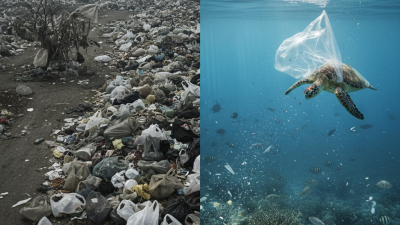
The OECD’s Global Plastics Outlook reports that global plastic waste reached 353 million tonnes in 2019. Only 9% was recycled. Packaging represented the largest share of this waste stream. The United Nations Environment Programme also identifies packaging as a major target for reducing unnecessary plastic consumption. These figures make supplier selection more serious than comparing unit prices. Buyers must examine recycled content, barrier performance, lightweighting, recyclability, food-contact compliance, and supply-chain traceability.
Performance matters.
Ellen MacArthur, a leading circular-economy expert, states, “A circular economy is restorative and regenerative by design.” Her principle challenges manufacturers to redesign packaging systems, not merely add recycled material. Top Plastic Packaging manufacturers are therefore investing in mono-material films, reusable formats, advanced sorting, and lower-carbon production. Reports from Smithers and PlasticsEurope show continued demand for flexible packaging, rigid containers, and high-performance polymers across global markets. However, market claims can sound better than factory reality. Some recycled-content promises remain difficult to verify. Regional recycling infrastructure also varies sharply.
This guide compares leading manufacturers through practical evidence, including production capability, certification, innovation, delivery reliability, and transparent sustainability reporting. The ranking is not perfect. It should be tested against each buyer’s product, destination market, and packaging requirements.
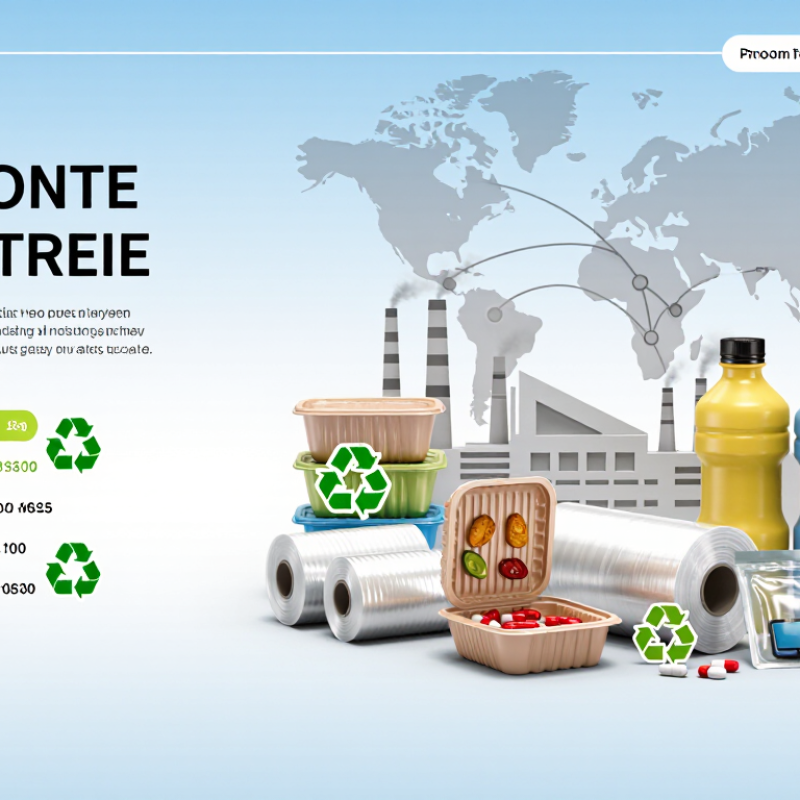
A leading plastic packaging manufacturer does more than produce containers at scale. It understands how a cap, film, or tray performs through real supply chains. Experienced teams test packages after filling, stacking, vibration, and temperature changes. They inspect seal strength, wall thickness, odor, and clarity. Small details matter. A loose cap can damage an entire shipment. Good manufacturers record these findings and adjust tooling, resin selection, or production settings. Their knowledge comes from repeated trials, not sales language.
Technical authority appears in documented processes. Buyers should see material specifications, batch traceability, inspection records, and clear corrective-action reports. Reliable plants calibrate measuring equipment and train operators regularly. They also explain which tests fit a product’s risks instead of offering identical checks for every order. Food-contact packaging requires controlled materials and appropriate compliance documentation. Claims should be verifiable. Vague certificates are warning signs.
A strong supplier communicates before problems become expensive. It confirms dimensions, tolerances, artwork files, delivery windows, and packing methods in writing. It provides samples that match mass production, not polished exceptions. Still, no factory is flawless. Trial runs may reveal warping, uneven color, or unexpected shrinkage. The meaningful question is how openly the team responds. Fast root-cause analysis, honest timelines, and documented improvements build trust. I would also ask for recent production evidence, because old performance can hide new weaknesses.

Recycling performance is a key benchmark for evaluating plastic packaging manufacturers. The chart shows the legally established European Union recycling targets for plastic packaging compared with all packaging materials, providing a measurable reference for sustainability-focused global buyers.
Source: European Union Packaging and Packaging Waste Directive 94/62/EC targets. Values represent minimum recycling targets: 50% for plastic packaging and 65% for all packaging by 2025; 55% for plastic packaging and 70% for all packaging by 2030.
Global buyers usually begin with product categories, not material names. Common options include bottles, jars, tubes, flexible pouches, films, trays, and protective caps. Each format serves a different handling and filling need. Bottles often use PET or HDPE for strength and clarity. PP suits closures, tubs, and containers exposed to moderate heat. LDPE adds flexibility to films and squeeze packaging.
Barrier performance deserves close attention. Multilayer films can protect products from oxygen, moisture, light, and odors. However, complex structures may be harder to recycle. Recycled content can reduce dependence on virgin resin, but its color and consistency may vary. Bio-based plastics sound attractive, yet buyers should verify their origin, performance, and certification claims. Green wording alone proves little.
In my experience, packaging trials reveal problems that specifications miss. A pouch may seal well but fail during transport. A rigid container may look premium but crack in cold storage. Testing should cover drop resistance, compression, seal strength, leakage, and material compatibility. Food, cosmetic, and household applications may also require migration or safety documentation. No material wins every project. Cost, shelf life, machinery, and local collection systems must be assessed together. I have seen teams choose the lightest package too quickly, then face higher damage rates. A smaller footprint is not always a better result.
Manufacturing capabilities shape how reliably a packaging supplier serves international buyers. Experienced manufacturers usually combine injection molding, blow molding, extrusion, and multilayer film production. Each process suits different needs, from rigid containers to flexible pouches. Engineers should confirm resin compatibility, mold precision, production speed, and minimum order quantities before approval. A sample may look excellent, yet perform poorly after filling, sealing, or transport.
Quality control must be visible on the factory floor. Operators should check dimensions, wall thickness, weight, color, seal strength, and closure torque during production. Drop tests and compression tests reveal weaknesses that visual inspection misses. For food, cosmetic, or healthcare packaging, migration testing should follow the buyer’s required market standards. Independent laboratories can add useful evidence. Traceable batch records matter too.
Reliable suppliers normally operate under documented quality systems, such as ISO 9001, with controlled procedures for deviations and corrective actions. However, certification alone proves little. Buyers should review audit reports, inspection records, calibration logs, and change-control practices. No factory achieves zero variation. That claim deserves skepticism. Even strong facilities can miss a defect during a busy production shift. A practical supplier admits this risk and explains how sampling plans, automated cameras, and final inspections reduce it. Clear communication often protects a shipment better than polished sales language.
Global buyers now assess plastic packaging manufacturers beyond price, speed, and production capacity. Sustainability practices increasingly shape supplier qualification. The OECD’s Global Plastics Outlook reported 353 million tonnes of plastic waste in 2019, while only 9% was recycled. That gap makes material choices commercially important.
Reliable manufacturers should provide resin origin, recycled content, energy data, and recovery instructions. They should also explain how factory waste is separated and measured. Small details matter.
UNEP’s Turning off the Tap report estimates that plastic pollution could fall by 80% by 2040 through reuse, recycling, and redesign. Manufacturers must therefore offer practical solutions, not only attractive sustainability claims.
Buyers should check recycled-content certificates, chain-of-custody records, migration testing, and facility audit dates. Under the European Union’s Packaging and Packaging Waste Regulation, packaging design, recyclability, labeling, and producer responsibility are becoming stricter. Food-contact packaging also requires documented compliance with applicable safety rules.
A polished certificate is not proof by itself. Audit quality can vary. Some suppliers still report percentages without explaining the calculation method. Buyers should ask difficult questions, compare evidence, and retain compliance records across every shipment. This process takes longer. It reduces unpleasant surprises.
Global buyers evaluate plastic packaging manufacturers through evidence, not polished presentations. A capable supplier shares clear material specifications, production records, and recent quality data. Request samples from the planned production line, not only display samples. Check wall thickness, seal strength, odor, color consistency, and print alignment. Small defects often reveal weak process controls.
Reliable suppliers explain how they manage raw material changes, equipment maintenance, and rejected goods. Ask for batch identification and traceability documents. Independent laboratory reports can confirm safety and performance claims. Certifications matter, but buyers should verify their scope, validity, and issuing organization. A certificate alone proves little.
Communication during sampling is equally important. Does the supplier answer technical questions directly? Can it report a delay before shipment becomes urgent? Buyers should compare lead times against actual production capacity, warehouse conditions, and export experience. A low quotation may hide expensive tooling, inspection, or replacement risks. I have seen promising samples fail after heat exposure or long transport. That mistake is costly. A practical evaluation includes pilot orders, written acceptance criteria, and inspections before shipment. No supplier performs perfectly, so buyers should record weaknesses and judge whether corrective action is prompt, documented, and repeated successfully.
| Evaluation Dimension | What Global Buyers Examine | Typical Buyer Benchmark | Recommended Evidence | Why It Matters |
|---|---|---|---|---|
| Product Portfolio | Bottles, jars, containers, caps, closures, films, pouches, trays and other plastic packaging formats. | A portfolio that covers the required format, resin type, size range and decoration method without excessive customization risk. | Technical catalogue, drawings, resin specifications, sample photos and application references. | Reduces qualification time and simplifies supplier consolidation. |
| Material Selection | Use of PET, HDPE, PP, LDPE, LLDPE, PS or other polymers suited to the product and filling process. | Material is compatible with the packaged product, required barrier performance, temperature range and intended recycling stream. | Material safety data, resin certificates, migration testing where applicable and compatibility test results. | Prevents leakage, deformation, contamination and premature shelf-life failure. |
| Regulatory Compliance | Compliance with the destination market’s food-contact, chemical, labeling and packaging-waste requirements. | Written compliance documentation for every material and component used in the finished package. | Declarations of compliance, restricted-substance statements, laboratory reports and traceability records. | Lowers customs, recall and market-access risks. |
| Quality Management | Control of dimensions, weight, appearance, sealing performance, contamination and production consistency. | Documented quality procedures, calibrated inspection equipment and batch-level records. | Quality manual, inspection plan, control charts, nonconformance procedure and audit reports. | Ensures repeatable performance across shipments and production lots. |
| Certification Coverage | Third-party certification relevant to quality, environmental management, food packaging or workplace processes. | A current ISO 9001 quality system; additional environmental or packaging-safety certification where the application requires it. | Valid certificates showing the legal entity, production site, scope and expiry date. | Provides independent evidence that core processes are controlled. |
| Production Technology | Injection molding, blow molding, injection stretch blow molding, extrusion, thermoforming, printing and lamination capabilities. | Equipment and tooling are suitable for the required output, tolerance, cycle time and product geometry. | Machine list, production videos, tooling specifications, capacity statement and process flow chart. | Influences product quality, scalability and total landed cost. |
| Minimum Order Quantity | Minimum quantity for standard items, custom molds, printed products and special materials. | Standard products may be available in the low-thousands range; custom packaging often requires higher quantities because of tooling and setup costs. | Written MOQ by product, color, decoration method and order frequency. | Determines inventory exposure and suitability for market testing. |
| Tooling and Development | Mold design ownership, prototype support, design-for-manufacturing review and modification policy. | Clear tooling ownership terms, documented approval stages and controlled engineering changes. | Mold quotation, 2D/3D drawings, sample approval record and tooling maintenance schedule. | Reduces delays and protects the buyer’s investment in custom packaging. |
| Lead Time and Capacity | Sampling time, tooling time, production lead time, peak-season capacity and replenishment speed. | Common production lead times are approximately 3–8 weeks after approval, depending on customization, quantity and material availability. | Capacity plan, production schedule, agreed service levels and historical delivery performance. | Supports launch planning and prevents stockouts. |
| Sustainability Performance | Recycled content, recyclability, lightweighting, material efficiency, waste reduction and energy management. | Packaging design supports the target recycling system and uses verified environmental claims rather than unsupported marketing statements. | Recycled-content verification, life-cycle information, material reduction data and waste-management records. | Helps meet customer policies and evolving packaging regulations. |
| Testing Capability | Drop testing, compression testing, leak testing, torque testing, seal testing, dimensional checks and visual inspection. | Tests are defined by product risk, packaging format, filling line requirements and transport conditions. | Test methods, acceptance criteria, sample reports and laboratory accreditation where relevant. | Confirms that packaging will withstand handling, filling and distribution. |
| Traceability | Ability to identify resin lots, production dates, machines, operators, inspection results and shipment records. | Each production batch can be linked to raw materials, process records and final inspection results. | Batch coding policy, retention period, recall procedure and sample traceability exercise. | Accelerates investigation and limits the impact of quality incidents. |
| Export and Logistics Support | Experience with export documents, container loading, packaging protection, Incoterms and destination-market requirements. | Supplier can provide commercial invoices, packing lists, shipping marks and other agreed export documentation accurately and on time. | Sample shipping documents, export references, packaging specifications and loading photographs. | Reduces customs delays, transit damage and landed-cost uncertainty. |
| Commercial Transparency | Pricing structure, tooling charges, decoration costs, payment terms, revision fees and freight assumptions. | Quotation clearly separates product price, tooling, testing, packaging, freight and other one-time or recurring charges. | Detailed quotation, cost-breakdown sheet, validity period and change-control terms. | Enables accurate supplier comparison and total-cost analysis. |
| Communication and Service | Response speed, technical communication, complaint handling, language support and escalation procedures. | Clear ownership of technical and commercial communication, with documented corrective actions for quality issues. | Response-time policy, customer-service workflow, corrective-action reports and reference checks. | Improves coordination across time zones and shortens problem-resolution time. |
Note: Benchmarks are general industry evaluation guidelines. Actual requirements vary by packaging format, product category, destination market, order volume and applicable regulations.