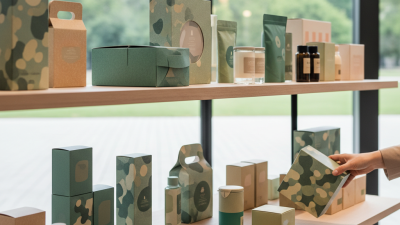
Why Global Packaging is Crucial for Sustainable Business Growth
In an increasingly interconnected world, the significance of Global Packaging in driving sustainable business growth cannot be overstated. According to a report by McKinsey, over 70% of consumers are willing to pay more for products that come in sustainable packaging, indicating a strong market demand for environmentally friendly solutions. The global packaging industry, valued at approximately $500 billion, is expected to grow by 3-5% annually, with sustainability leading the charge as a key driver of this growth. As businesses strive to meet consumer expectations and regulatory pressures, adopting sustainable packaging practices is becoming essential for maintaining competitive advantage.
Additionally, a study from the World Economic Forum highlights that reducing plastic waste could create a $2 trillion economic opportunity by 2030, emphasizing the need for companies to innovate in packaging solutions. As sectors such as e-commerce and food delivery expand, the role of Global Packaging in reducing carbon footprints and enhancing supply chain efficiency has never been more critical. Embracing sustainable packaging strategies not only addresses consumer concerns but also aligns with global sustainability goals, positioning companies for long-term success in an evolving market landscape.

The Role of Global Packaging in Sustainable Business Practices
Global packaging plays a pivotal role in sustainable business practices by minimizing waste and reducing environmental impacts. As companies expand their reach across borders, the need for packaging solutions that align with eco-friendly initiatives becomes increasingly urgent. Innovative materials and designs not only reduce the carbon footprint during transportation but also promote recycling and reuse. Businesses that invest in sustainable packaging not only enhance their operational efficiency but also respond to the growing consumer demand for environmentally responsible products.
Moreover, the integration of sustainable packaging into global supply chains reflects a company's commitment to corporate responsibility. By adopting eco-friendly practices, businesses not only attract environmentally conscious consumers but also foster loyalty among stakeholders. Sustainable packaging serves as a powerful communication tool, conveying a brand's values and dedication to the planet. As companies navigate the complexities of globalization, prioritizing sustainable packaging is a strategic move that can lead to long-term growth and a positive societal impact.
Impact of Packaging on Environmental Sustainability
The impact of packaging on environmental sustainability is an increasingly critical consideration for businesses aiming for growth amidst escalating environmental concerns. According to a 2021 report by Smithers Pira, the global sustainable packaging market is forecasted to reach $600 billion by 2024, reflecting a compound annual growth rate of 5.1%. This growth is propelled by rising consumer demand for environmentally friendly materials, with 74% of consumers willing to pay more for sustainable packaging options, as highlighted by a recent survey from McKinsey & Company.
Packaging waste significantly contributes to environmental degradation, with an estimated 300 million tons of plastic produced annually, much of which ends up in landfills and oceans. The United Nations Environment Programme (UNEP) emphasizes that packaging accounts for nearly 40% of the total plastic waste generated globally. Consequently, businesses that prioritize sustainable packaging solutions not only mitigate their environmental footprint but also enhance their brand reputation, meeting the expectations of eco-conscious consumers. Moreover, the adoption of biodegradable materials and sustainable sourcing practices can lead to operational efficiencies, ultimately supporting long-term business viability while actively addressing climate change challenges.
Impact of Packaging on Environmental Sustainability
Key Strategies for Implementing Sustainable Packaging Solutions
Implementing sustainable packaging solutions requires a strategic approach that encompasses innovation, material selection, and collaboration. First, businesses should focus on adopting biodegradable and recyclable materials. This not only reduces waste but also aligns with consumer demand for environmentally responsible products. By using materials like plant-based plastics or recycled paper, companies can significantly decrease their ecological footprint while appealing to a growing demographic that prioritizes sustainability.
Moreover, companies must invest in innovative design practices that minimize packaging while maintaining product integrity. This can include employing techniques such as lightweighting—reducing the amount of material used without compromising strength—or designing reusable containers. Additionally, close collaboration with suppliers and manufacturers is essential to develop efficient and sustainable supply chain practices. Sharing insights and resources can lead to creative solutions that benefit all parties and further enhance sustainability efforts. By integrating these strategies, businesses can not only meet regulatory requirements but also position themselves as leaders in the shift toward a greener economy.
Why Global Packaging is Crucial for Sustainable Business Growth - Key Strategies for Implementing Sustainable Packaging Solutions
| Sustainability Strategy |
Implementation Method |
Expected Outcome |
Impact on Business |
| Reduce Plastic Usage |
Switch to biodegradable materials |
Minimize environmental footprint |
Enhance brand image |
| Recycling Programs |
Implement take-back schemes |
Increase recycling rates |
Customer loyalty and satisfaction |
| Sourcing Local Materials |
Collaborate with local suppliers |
Lower carbon footprint |
Support local economies |
| Consumer Education |
Engage with marketing campaigns |
Increase awareness of sustainable practices |
Encourages responsible purchasing |
| Innovative Packaging Designs |
Utilize smart packaging technologies |
Enhance user experience |
Differentiation in a crowded market |
Consumer Awareness and Demand for Eco-Friendly Packaging
In recent years, consumer awareness surrounding environmental issues has significantly influenced purchasing decisions, leading to a rise in demand for eco-friendly packaging solutions. As more individuals recognize the impact that plastic waste and unsustainable materials have on the planet, they are actively seeking products that align with their values. This shift in consumer behavior propels businesses to rethink their packaging strategies and adopt practices that minimize their ecological footprint, signaling a pivotal change in the market landscape.
The increasing expectation for sustainable packaging options compels companies to innovate and deliver products that do not compromise on quality while being environmentally responsible. Firms that embrace this shift not only meet consumer demands but also position themselves as leaders in sustainability. By integrating eco-friendly materials and practices, businesses can foster loyalty among environmentally conscious consumers, enhance their brand reputation, and ultimately drive sales growth. As awareness continues to grow, the commitment to sustainable packaging becomes not just a trend but a crucial element for long-term business success.
Challenges and Innovations in Global Packaging Sustainability
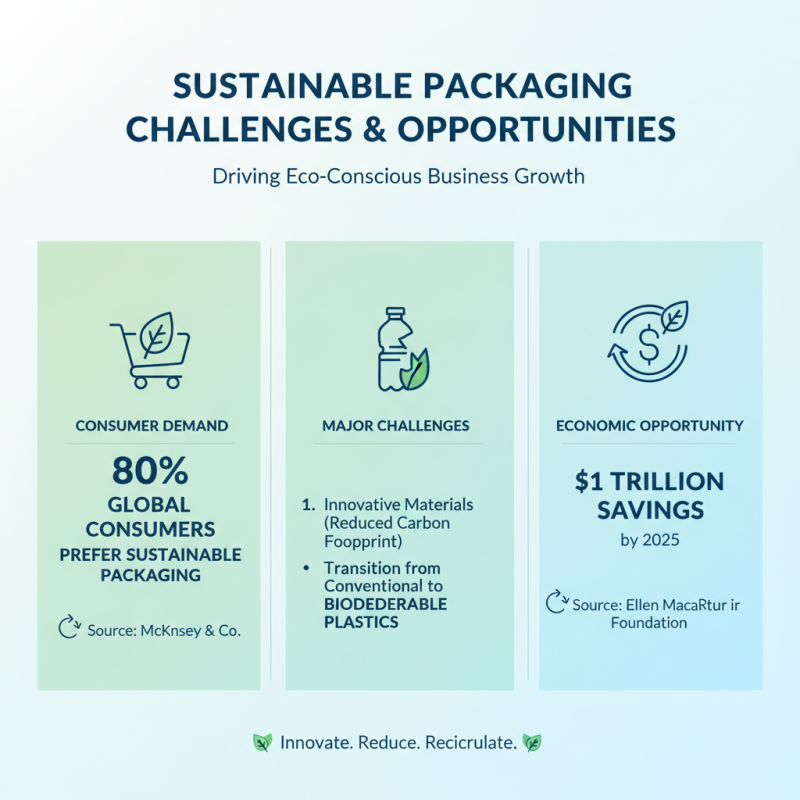
The challenge of sustainable packaging has become increasingly significant in the pursuit of environmentally conscious business growth. A report by McKinsey & Company estimates that approximately 80% of global consumers are more likely to purchase products in sustainable packaging. However, achieving this goal poses numerous challenges, including the need for innovative materials that reduce carbon footprints while maintaining product integrity. One major challenge is the transition from conventional plastics to biodegradable alternatives. According to the Ellen MacArthur Foundation, achieving a circular economy in packaging could save companies up to $1 trillion by 2025, yet many organizations struggle to adopt these new materials at scale.
Innovations in global packaging sustainability are emerging to meet these challenges head-on. For instance, advancements in technology are leading to the development of smart packaging solutions that prolong shelf life and reduce waste. Reports indicate that smart packaging could significantly decrease food spoilage, which amounts to around 1.3 billion tons annually according to the Food and Agriculture Organization (FAO). Additionally, creating packaging that is not only recyclable but also compostable is gaining traction. The Global Packaging Alliance highlights that the demand for compostable packaging is projected to grow by 20% annually, illustrating a clear market shift towards sustainable solutions. These innovations not only cater to consumer preferences but also reflect a broader commitment to sustainable business practices that can drive growth in an increasingly eco-conscious marketplace.