Why Effective Packaging Solutions are Key to Business Success?
In today's competitive marketplace, the importance of effective Packaging Solutions cannot be overstated. Packaging serves as the first physical interaction a consumer has with a product, making it a critical component of branding and marketing strategies. Companies that invest in innovative and well-designed packaging are better positioned to attract and retain customers, thereby fostering business growth and success. Whether it is through enhancing the aesthetic appeal or improving functionality, the right packaging can significantly impact a consumer's purchasing decision.
Moreover, effective Packaging Solutions contribute to the overall user experience, allowing businesses to differentiate themselves from their competitors. A thoughtfully designed package not only protects the product but also communicates key information and brand values. Additionally, sustainability has become an essential factor in consumer preferences, making eco-friendly packaging solutions a priority for forward-thinking companies. In this context, understanding and implementing effective packaging strategies is essential for businesses aiming to thrive in an ever-evolving landscape. As such, the role of packaging extends far beyond mere containment, becoming a vital element that can drive customer loyalty and ultimately lead to business success.
The Importance of Packaging in Marketing and Brand Identity
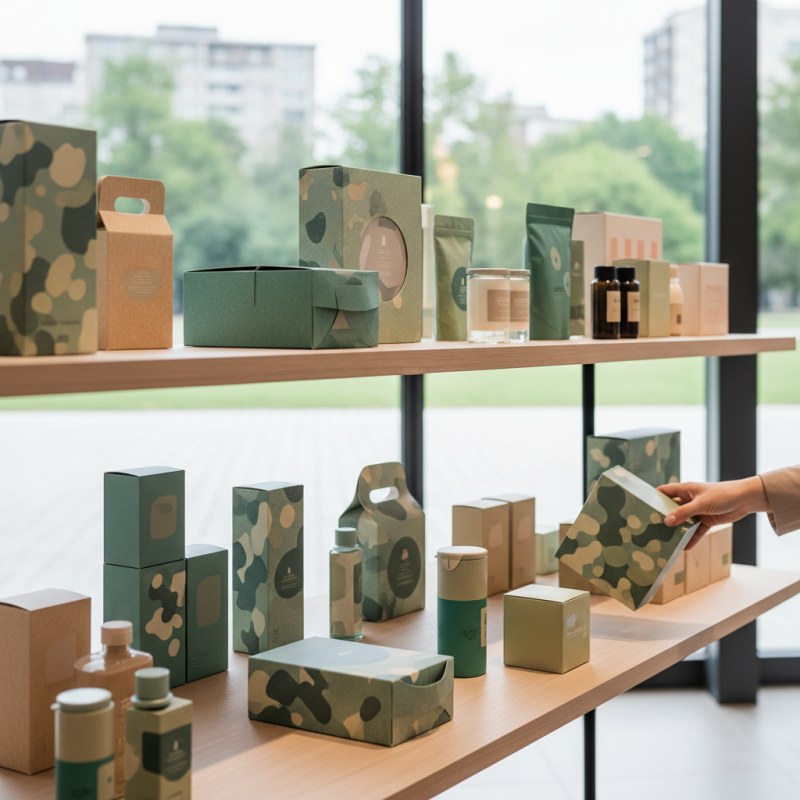
Packaging plays a crucial role in the realm of marketing and brand identity, serving as a silent yet powerful ambassador for a business. The way a product is packaged not only protects it but also conveys the brand’s values and personality. Effective packaging catches the eyes of potential customers, creating an immediate connection that can lead to increased sales. It reflects the quality and essence of the product inside, making it essential for businesses to invest time and resources in designing packages that resonate with their target audience.
Moreover, packaging is often the first interaction a consumer has with a brand, making it a vital touchpoint in customer experience. Through thoughtful design, colors, and materials, brands can create a memorable unboxing experience that reinforces their identity and encourages customer loyalty. The right packaging can differentiate a product in a crowded market, allowing a business to stand out and communicate its unique selling propositions. In an age where sustainability is increasingly prioritized, eco-friendly packaging solutions also help brands to align with the values of socially conscious consumers, further solidifying their brand identity and reputation.
Importance of Packaging in Marketing and Brand Identity
This chart illustrates the importance of various packaging features that influence consumer perception and brand identity. As evident, aesthetics, functionality, sustainability, and information play substantial roles in shaping packaging effectiveness.
Factors Influencing Consumer Perception of Packaging Quality
Consumer perception of packaging quality is influenced by several critical factors that can significantly impact a business's success. A study from the Packaging Association highlighted that 72% of consumers believe that packaging design influences their purchasing decisions. This underscores the importance of aesthetics and functionality in packaging materials. Packaging that is visually appealing not only attracts consumers but also conveys information about the product quality, thereby enhancing its perceived value.
Moreover, sustainability has become a pivotal factor in how consumers perceive packaging quality. According to a 2022 report by the Sustainable Packaging Coalition, 67% of consumers are more likely to purchase products that use sustainable packaging. As environmental concerns rise, companies that prioritize eco-friendly packaging solutions can improve their brand image and foster consumer loyalty. Therefore, businesses that invest in effective, sustainable packaging are not just meeting consumer expectations but also positioning themselves for long-term success in a competitive market.
Sustainable Packaging Solutions and Their Business Impact
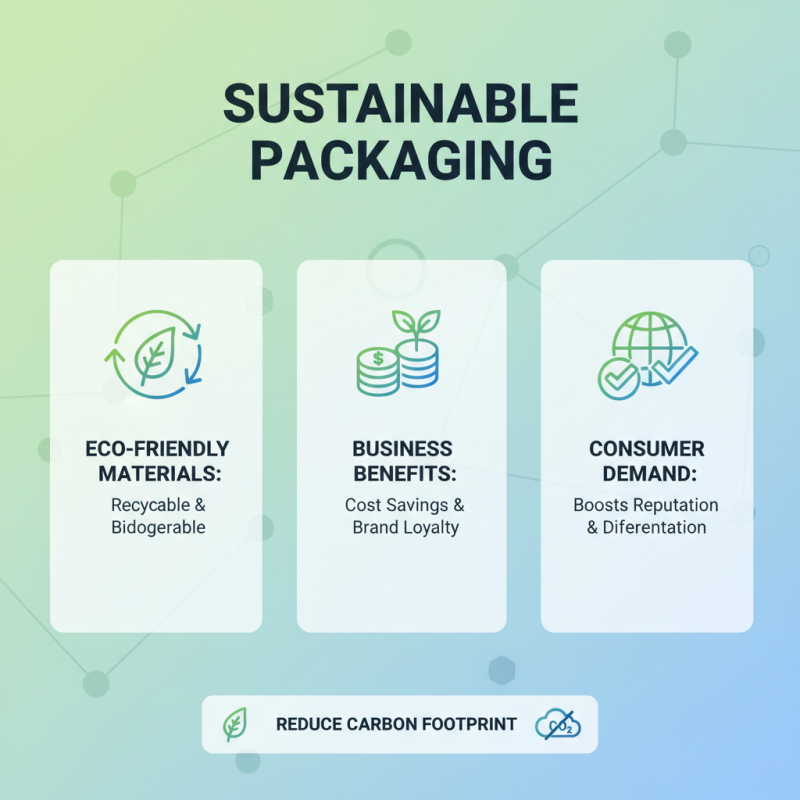
In today's competitive marketplace, sustainable packaging solutions are becoming increasingly vital for business success. These innovative packaging options not only meet consumer demand for eco-friendly practices but also contribute to cost savings and brand loyalty. As customers become more environmentally conscious, companies that adopt sustainable packaging can differentiate themselves and enhance their reputation. Using recyclable or biodegradable materials can reduce a brand's carbon footprint, aligning it with modern values that prioritize sustainability.
Tips for implementing sustainable packaging include:
1. **Explore Alternative Materials**: Consider using materials like mushroom-based packaging, recycled paper, or bioplastics that are more environmentally friendly.
2. **Optimize Package Design**: Streamlined designs that use less material can reduce waste while also minimizing shipping costs.
3. **Educate Customers**: Share your sustainability efforts and the benefits of your packaging choices through marketing channels, making consumers feel a part of the solution.
By integrating sustainable practices into their packaging solutions, businesses can not only meet regulatory standards but also cultivate a loyal customer base that appreciates their commitment to the environment. This can lead to increased sales, as consumers are increasingly willing to support brands that align with their values.
Innovations in Packaging Technology and Design
Innovations in packaging technology and design play a crucial role in enhancing the overall customer experience and driving business growth. With advancements such as smart packaging, flexible materials, and sustainable options, companies can create solutions that not only protect their products but also engage consumers on a deeper level. Smart packaging, for example, incorporates QR codes and RFID tags that provide customers with additional information about the product, such as usage instructions and nutritional values, thereby enriching the buying experience.
Moreover, the focus on sustainability has led to the development of eco-friendly packaging materials that appeal to environmentally conscious consumers. Brands that adopt biodegradable or recyclable materials not only contribute to the reduction of waste but also enhance their market reputation. Creative design is another vital aspect, as eye-catching packaging can differentiate a product in a crowded market. Innovative shapes, colors, and functionalities can attract attention and encourage impulse purchases, making effective packaging a key driver of sales and brand loyalty. These technological and design innovations are essential for businesses aiming to stay competitive and relevant in a rapidly changing marketplace.
Why Effective Packaging Solutions are Key to Business Success? - Innovations in Packaging Technology and Design
| Dimension |
Description |
Impact on Business |
| Sustainability |
Use of biodegradable materials and eco-friendly designs |
Enhances brand image and attracts environmentally conscious consumers |
| Cost Efficiency |
Reduction in material usage and shipping costs through optimized packaging |
Improves profit margins and overall profitability |
| Product Protection |
Innovative materials that ensure better safety during transport and storage |
Reduces damage rates and enhances customer satisfaction |
| Brand Differentiation |
Unique packaging designs that stand out on shelves |
Increases visibility and sales through enhanced consumer engagement |
| Technological Integration |
Use of smart packaging solutions with QR codes and sensors |
Facilitates customer interaction and improves supply chain efficiency |
Cost-Effectiveness of Efficient Packaging Solutions
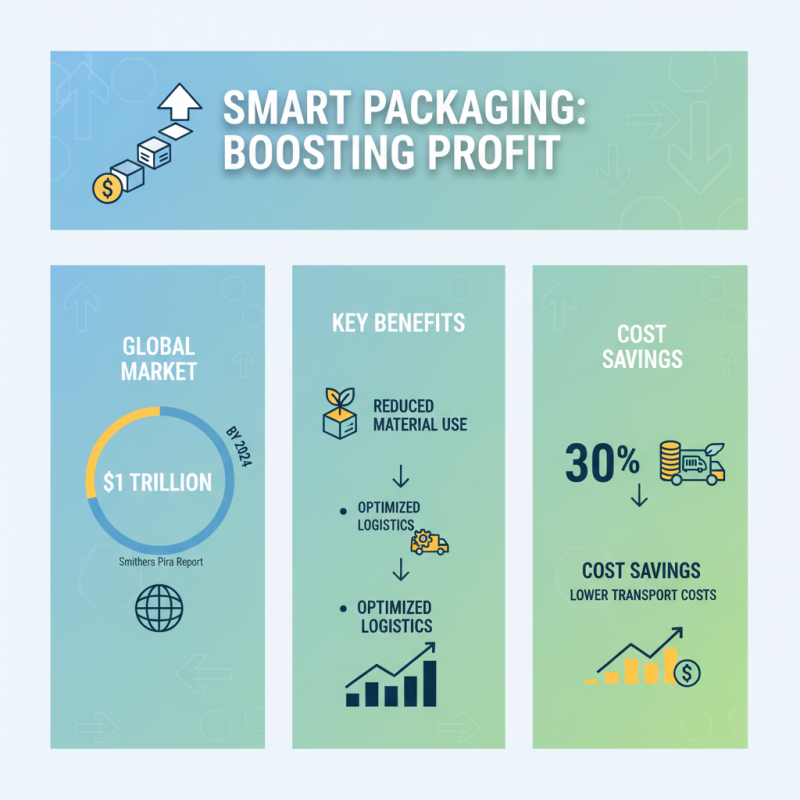
Efficient packaging solutions play a crucial role in enhancing cost-effectiveness for businesses across various industries. According to a report by Smithers Pira, the global packaging market is projected to reach $1 trillion by 2024, highlighting the increasing importance of innovative packaging designs that can reduce material use and optimize logistics. A well-optimized packaging system can lower transport costs by up to 30%, allowing companies to allocate resources more effectively and increase their profitability.
Moreover, sustainable packaging practices are gaining traction as businesses strive to meet consumer demand for environmentally friendly options. A study published by McKinsey & Company indicates that companies that adopt sustainable packaging can see a reduction in costs ranging from 10% to 20% over time, primarily through decreased waste and improved resource utilization. These efficiency-driven strategies not only bolster financial performance but also enhance brand reputation, which is vital in today's competitive landscape where consumers increasingly favor businesses with sustainable practices. By investing in effective packaging solutions, companies can achieve significant cost savings while contributing to a more sustainable future.