How to Choose the Right Plastic Pack for Your Needs?
Choosing the right Plastic Pack can significantly impact your business operations. The global plastic packaging market is projected to reach $500 billion by 2028, according to a recent report by Market Research Future. This highlights the importance of selecting the right materials for efficiency and sustainability.
Industry expert Dr. Emily Zhang, who specializes in polymer engineering, emphasizes, “Not all plastic packs are created equal.” Different designs and materials can affect product integrity and environmental footprint. It's crucial to assess your specific needs.
Considerations include durability, recyclability, and cost. Many companies overlook the importance of using the right Plastic Pack, leading to waste and inefficiency. This reflection can guide you to make more informed decisions that align with your sustainability goals. The right choice can create a lasting impact on both your brand and the environment.

Understanding Different Types of Plastic Materials Used for Packaging
When choosing packaging, understanding materials is crucial. Various types of plastics are available for different needs. For example, polyethylene is common and versatile. It’s used in bags and containers. It’s lightweight and resistant to moisture. However, it doesn’t provide a strong barrier against gases.
Polypropylene, on the other hand, is known for its strength. It’s often used for food packaging. It withstands heat better than polyethylene. However, it can also be more expensive. Consider these factors carefully. Think about the product you plan to package. What are its requirements?
Consider the environmental impact, too. Some plastics can take up to 1000 years to decompose. Are you ready to face that consequence? Recyclability can be a significant factor in your choice. Look for materials that are easier to recycle. Research and reflect on what fits best.
Evaluating the Environmental Impact of Plastic Packaging Choices
When choosing plastic packaging, it's vital to consider its environmental impact. Many plastics take hundreds of years to decompose. This delay contributes to pollution. Some plastics can leach chemicals into the environment. These factors affect both land and sea life.
Tips: Always check for recycling logos. Familiarize yourself with what types of plastic can be recycled. Reducing single-use plastics can help mitigate waste.
Packaging design matters too. Minimalistic designs can reduce material use. However, flashy designs often use more plastic. These choices may seem attractive but hold environmental consequences. Balance aesthetics with sustainability.
Tips: Look for bio-based alternatives. They can offer similar benefits with less harm. It's crucial to think about the full lifecycle of the packaging before making a choice. Reflect on how your choices impact the world around you.
How to Choose the Right Plastic Pack for Your Needs? - Evaluating the Environmental Impact of Plastic Packaging Choices
| Packaging Type |
Material |
Recyclable |
Biodegradable |
Environmental Impact Score (1-5) |
| Plastic Bottles |
PET |
Yes |
No |
3 |
| Plastic Bags |
HDPE |
Yes |
No |
4 |
| Food Containers |
PP |
Yes |
No |
3 |
| Compostable Bags |
PLA |
Yes |
Yes |
2 |
| Packaging Peanuts |
Biodegradable |
Yes |
Yes |
1 |
Analyzing Cost-Effectiveness: Budgeting for Different Plastic Packs
When budgeting for plastic packs, understanding cost-effectiveness is crucial. Studies show that material choice impacts long-term expenses significantly. For example, high-density polyethylene (HDPE) offers durability and lower cost per unit. Conversely, polyester packs may seem economical upfront but incur higher lifetime expenses due to potential lower durability.
Many companies overlook hidden costs. Inadequate packing can lead to product loss and increased shipping fees. A recent report indicated that improper packing results in a 15% rise in logistics costs. Additionally, environmental concerns may drive consumers toward sustainable choices, potentially affecting market demand.
Evaluating your specific needs is essential. Do you prioritize durability or upfront cost? A balance is necessary. As consumer preferences change, businesses must adapt. This ensures that the chosen plastic pack truly meets operational needs and stays within budget. Embrace the challenge of finding that balance. Each decision shapes future financial outcomes.
Analyzing Cost-Effectiveness of Different Plastic Packs
Identifying Industry Standards and Regulations for Plastic Packaging
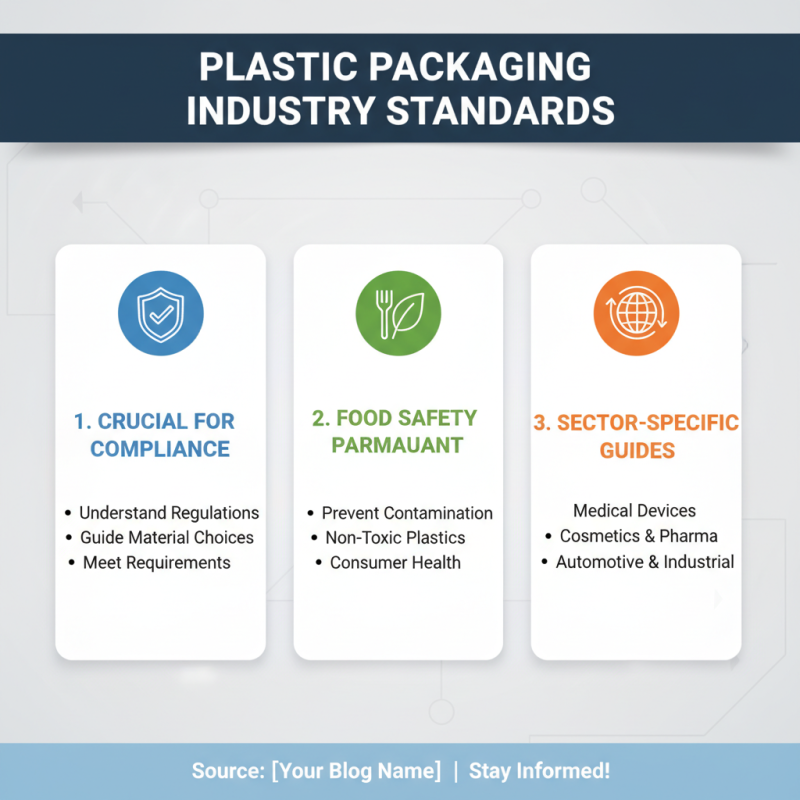
When selecting plastic packaging, understanding industry standards is crucial. Different sectors have specific regulations that guide material choices. For food packaging, safety is paramount. Regulations ensure that plastics do not contaminate the contents. Familiarizing yourself with these guidelines can help meet compliance requirements.
Additionally, consider environmental regulations. Many regions have strict rules regarding recyclable materials. Using eco-friendly plastics not only adheres to these laws but can enhance your brand’s reputation. However, not all options are created equal, and evaluating their long-term effects is necessary. For instance, fully biodegradable options might be more expensive upfront.
Transparency in sourcing can also impact decision-making. Knowing where the materials come from adds a layer of responsibility. Manufacturers should provide data on their environmental impact. It’s important to question the common practices in the industry. Reflecting on these issues can lead to better choices, even if they take longer to implement. Balancing compliance with sustainability is challenging but essential.
Assessing Durability and Compatibility with Your Product Requirements
When choosing plastic packaging, durability is crucial. The right material must endure physical stress and environmental factors.
Will it be exposed to heat, moisture, or chemicals? These aspects are vital for maintaining product integrity. Consider the expected shelf life too.
A short lifespan might not require heavy-duty options. However, fragile items need stronger solutions.
Compatibility is equally important. The plastic must interact well with your product. It should not react chemically and alter quality.
Evaluate the product’s nature: is it food, a chemical, or something else? Sometimes, a plastic might seem durable but isn't suitable for all uses.
Consider how the package will be stored and transported. For instance, heavy loads can crush flimsy packs.
Reflect on your specific needs. Are you prioritizing cost, sustainability, or aesthetics? Each choice impacts usability.
If you overlook any aspect, it could lead to product failure. Finding that balance is challenging. Explore different materials and seek advice.
Don't rush into decisions—it often leads to regret in the long run.