How to Choose the Right Plastic Bag for Your Needs?
Choosing the right plastic bag can be challenging. There are many types available, each serving different needs. A suitable plastic bag can enhance convenience in various situations, from grocery shopping to storage.
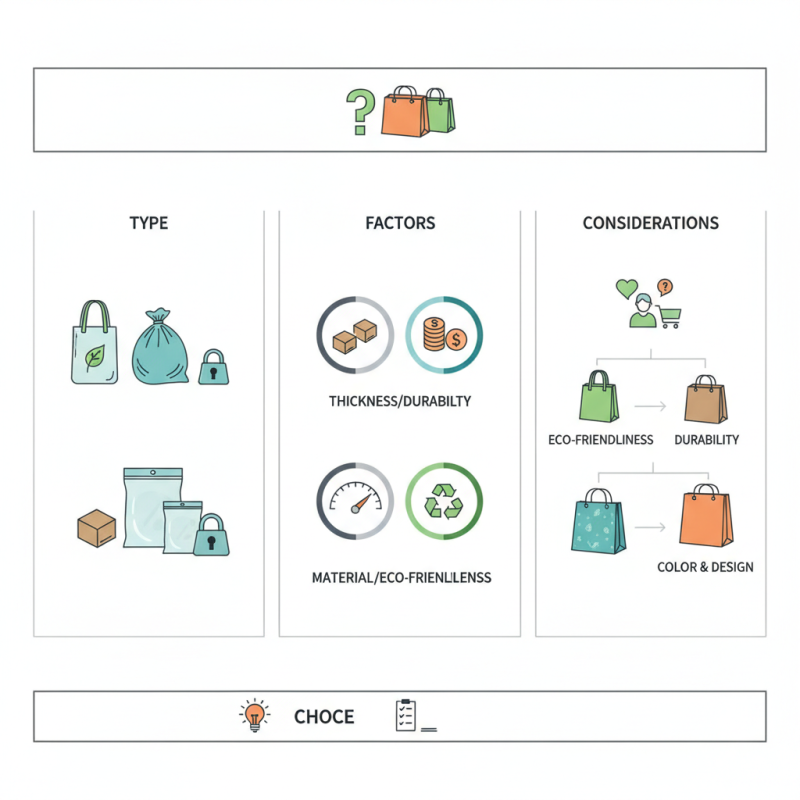
When considering a plastic bag, factors like size, thickness, and material become important. For instance, lightweight bags are great for groceries, but might not hold up for heavier items. In contrast, thicker bags are more durable, yet they may not be necessary for simple tasks. The color and design of a plastic bag can also play a role in your choice, as they reflect personal style and preference.
Reflecting on your specific needs is crucial. Do you prioritize eco-friendliness or durability? These considerations will ultimately guide your selection. Remember, not all plastic bags are created equal, and finding the right one takes thought and care. Make decisions that suit your lifestyle and values.
Understanding Different Types of Plastic Bags Available in the Market
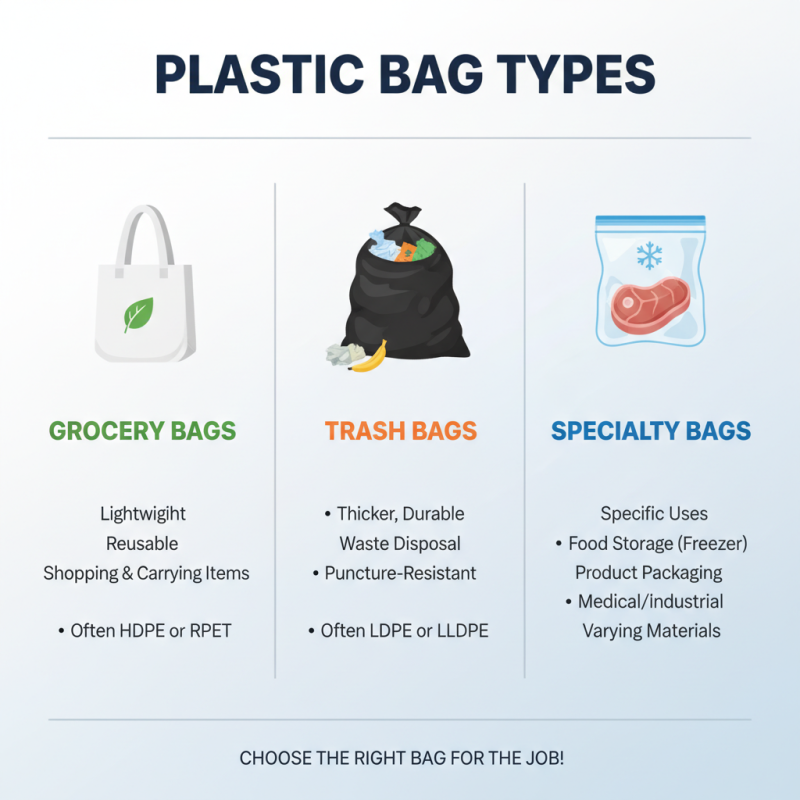
When selecting a plastic bag, it's crucial to understand the various types available. There are grocery bags, trash bags, and specialty bags. Each type serves a unique purpose. Grocery bags are lightweight and reusable, while trash bags are thicker and designed for waste. Specialty bags, like freezer bags, have specific uses like food storage.
Tips: Always consider your needs. If you need durable bags, opt for heavy-duty options. For everyday use, lighter bags may suffice.
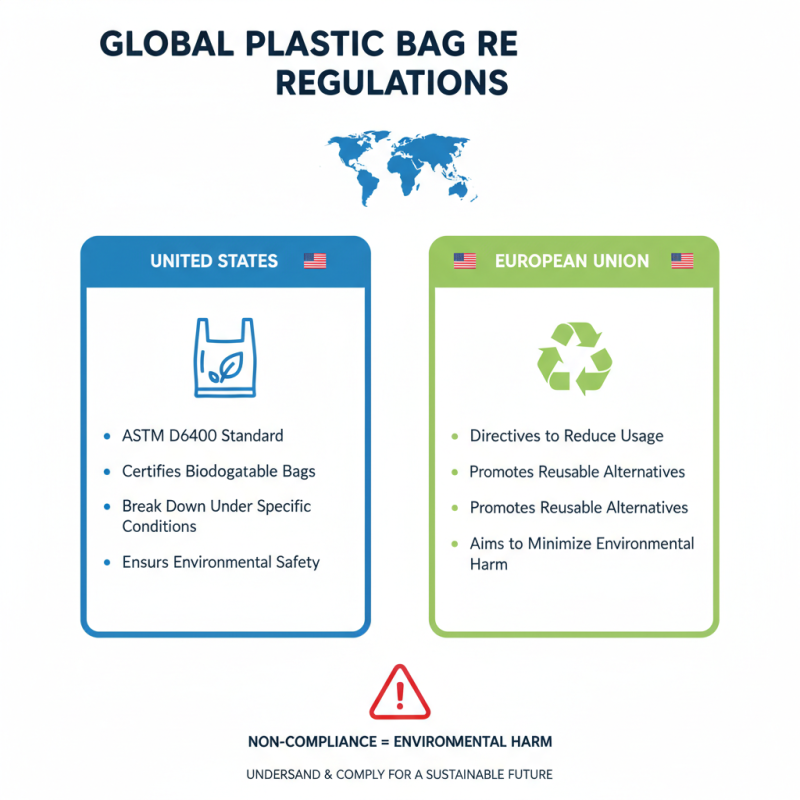
Biodegradable plastic bags are an eco-friendly choice. They break down more easily in the environment. Choose these if sustainability matters to you. However, they might not be as strong as traditional bags. Assess the trade-offs before purchasing.
Consider your installation space. Storing large boxes of plastic bags can be cumbersome. Keep flexible bags handy if you have a small kitchen. They can be easily tucked away in drawers. Think about how you’ll use the bags over time. It can reveal more about your actual needs.
Evaluating Your Specific Needs: Size, Strength, and Purpose
Choosing the right plastic bag involves understanding your specific needs. Size is crucial. Think about what you plan to carry. A small bag may work for snacks, but larger ones are needed for groceries. Measure your items beforehand to avoid surprises. It’s frustrating to have a bag that’s either too big or too small.
Strength is another factor. Consider the weight of your items. If you’re packing heavy books, a flimsy bag won’t do. On the other hand, if you’re using them for lightweight items, durability isn’t as critical. Assess your use case. Your choice impacts efficiency.
**Tips:** Always check the thickness of the plastic. Thicker bags generally hold more weight. Remember to think about your purpose. Are you looking for storage, shopping, or something else? A clear bag might be useful for organizing belongings. Don't overlook the environmental impact, too. Using reusable bags can sometimes be more beneficial.
How to Choose the Right Plastic Bag for Your Needs? - Evaluating Your Specific Needs: Size, Strength, and Purpose
| Bag Type |
Size (inches) |
Strength (Mil) |
Purpose |
| Standard Grocery Bag |
12 x 15 |
2 |
General use, shopping |
| Heavy-Duty Trash Bag |
30 x 36 |
3 |
Waste disposal |
| Zip Lock Bag |
6 x 8 |
1 |
Food storage, organization |
| Mailing Bag |
10 x 14 |
2 |
Shipping, mailing |
| Retail Shopping Bag |
10 x 12 |
2.5 |
Retail, boutique |
Considering Environmental Impact: Biodegradable vs. Traditional Options
When choosing a plastic bag, the environmental impact is a key consideration. Traditional plastic bags can take hundreds of years to decompose. They contribute significantly to pollution and harm wildlife. Instead, biodegradable options offer a more sustainable alternative. Made from materials that break down faster, they lessen the long-term impact on our planet.
However, not all biodegradable bags are created equal. Some require specific conditions to decompose effectively. For instance, they may need industrial composting facilities. If these systems are unavailable, the bags might end up in landfills, where they don’t degrade as intended. This raises questions about their true environmental benefits. Understanding the differences is vital.
Ultimately, choosing a bag requires careful thought. What is the usage? Will it be disposed of properly? The answers to these questions matter. Both types of bags have their pros and cons. Reflecting on your habits can lead to better decisions. It’s not just about convenience; it’s about responsibility.
Plastic Bag Options and Their Environmental Impact
Analyzing Cost Factors: Budget-Friendly Choices for Plastic Bags
When selecting plastic bags, cost is often a primary concern. Many options exist, but prices can vary significantly. Cheap bags might seem appealing, but they can lack durability. You may need to replace them often, leading to hidden costs. Consider investing in medium-grade bags that offer a balance of quality and affordability.
It's wise to evaluate your needs closely. Will you use these bags for light tasks or heavier items? A thicker bag may save money in the long run. Some thinner bags can split easily, causing frustration. In many cases, you can find bags that meet your requirements without overspending.
Don't overlook the importance of bulk buying. Purchasing larger quantities can lead to discounts. However, it can feel overwhelming. How many bags will you actually use? Think critically about your consumption patterns. This reflection helps you avoid waste. Balancing cost and functionality is key to making the right choice.