Leave Your Message

How to Choose the Best Plastic Bag for Food Storage?

Choosing the best plastic bag for food storage can be challenging. Experts like Dr. Emily Carter, a food safety specialist, emphasize the importance of this choice. She stated, "Not all plastic bags are created equal for food."

When selecting a plastic bag for food, you must consider material and thickness. Some bags might tear easily, leading to potential contamination. A sturdy bag can keep food fresh longer and prevent leaks.

It's easy to underestimate the nuances of food storage. Many people grab the cheapest option without considering safety. Reflecting on your choices can lead to better food preservation. The right plastic bag for food can enhance your kitchen experience.
How to Choose the Best Plastic Bag for Food Storage?

Understanding Different Types of Plastic Bags for Food Storage

How to Choose the Best Plastic Bag for Food Storage?

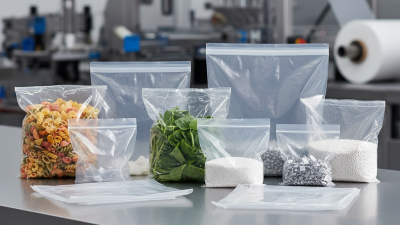
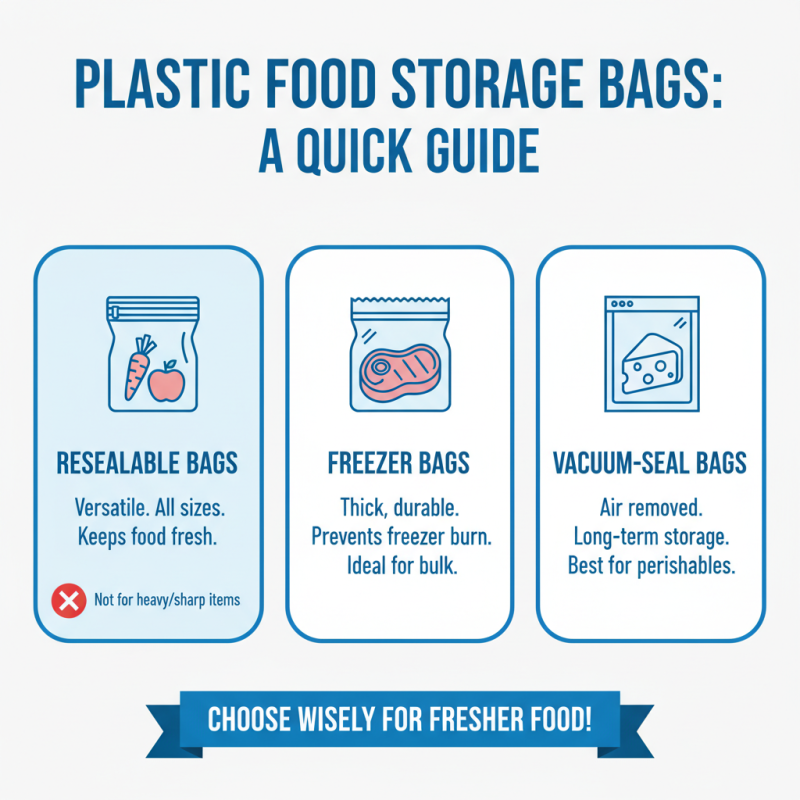
When it comes to food storage, choosing the right plastic bag is crucial. There are several types available, each serving a unique purpose. For instance, resealable plastic bags are versatile. They come in various sizes and can keep food fresh for longer. However, they may not be suitable for heavy or sharp items.

Another option is vacuum-sealed bags. These bags remove air, extending shelf life significantly. They are great for meats and vegetables. But, they require a vacuum sealer, which is an extra cost and effort. You might forget to seal them properly, leading to food spoilage.

Freezer bags are thicker, designed for colder temperatures. They resist freezer burn and maintain quality. Still, users sometimes forget to label them, causing confusion later. Additionally, some bags are not BPA-free, raising health concerns. Choosing the right bag means assessing your storage needs carefully. Each bag has its pros and cons, so it's vital to reflect on what suits your usage best.

Evaluating Food Safety and BPA-Free Options in Plastic Bags

When it comes to food safety, choosing the right plastic bag is crucial. Many consumers are not aware that certain plastics can leach harmful chemicals. One major concern is Bisphenol A (BPA). Studies show that BPA can disrupt endocrine functions in humans. To ensure food safety, opting for BPA-free bags is essential. Research indicates that nearly 93% of Americans have detectable levels of BPA in their urine, according to the CDC. This statistic highlights the prevalence of BPA in everyday products.

The alternative is to seek bags made from safer materials. Many manufacturers now offer BPA-free options. Polyethylene, commonly used in food storage bags, is generally regarded as safe. A 2019 report by the FDA found that these bags do not significantly alter the chemical structure of food contents. However, it’s important to read labels carefully. Some products may still contain other harmful additives. Inconsistent regulations can lead to confusion among consumers.

Evaluating product safety requires diligence. While BPA-free is a step in the right direction, it doesn't guarantee the absence of other harmful chemicals. The plastics industry is complex, and not all materials are created equal. There’s a growing need for transparent labeling. Consumers deserve to know exactly what they are using to store their food. This knowledge can help make informed decisions for better health outcomes.

How to Choose the Best Plastic Bag for Food Storage? - Evaluating Food Safety and BPA-Free Options in Plastic Bags

Plastic Bag Type Material BPA-Free Best Use Cases Temperature Tolerance
Ziplock Bags Polyethylene Yes Marinating, Freezing -40°F to 194°F
Freezer Bags Polyethylene Yes Long-term Freezing -40°F to 0°F
Grocery Bags Low-Density Polyethylene Yes Short-term Storage -20°F to 120°F
Vacuum Sealer Bags Multilayer Polyethylene Yes Sous Vide, Long-term Storage -40°F to 195°F
Reusable Silicone Bags Silicone Yes Freezing, Cooking -40°F to 400°F

Assessing the Thickness and Quality of Plastic Bags for Durability

When evaluating plastic bags for food storage, thickness matters. Thicker bags are generally more durable. They resist tearing and punctures better than thin options. Look for bags that feel sturdy in your hands. A flimsy bag may compromise the freshness of your food.

Quality also plays a crucial role. Not all plastic bags are created equal. Some may break down over time, especially with heat or moisture. Check for signs of wear before using a bag. Even slight imperfections can lead to leaks. A bag should safely contain liquids without risking spills.

Consider the intended use as well. For raw meats, opt for bags designed for heavy-duty storage. They offer extra protection against bacteria and cross-contamination. For sandwiches or snacks, a standard bag may suffice. However, always pay attention to sealing methods. A weak seal means a higher chance of spoilage. Adjust your choices based on your needs and experiences.

Identifying Storage Needs: Resealable vs. Non-resealable Bags

How to Choose the Best Plastic Bag for Food Storage?

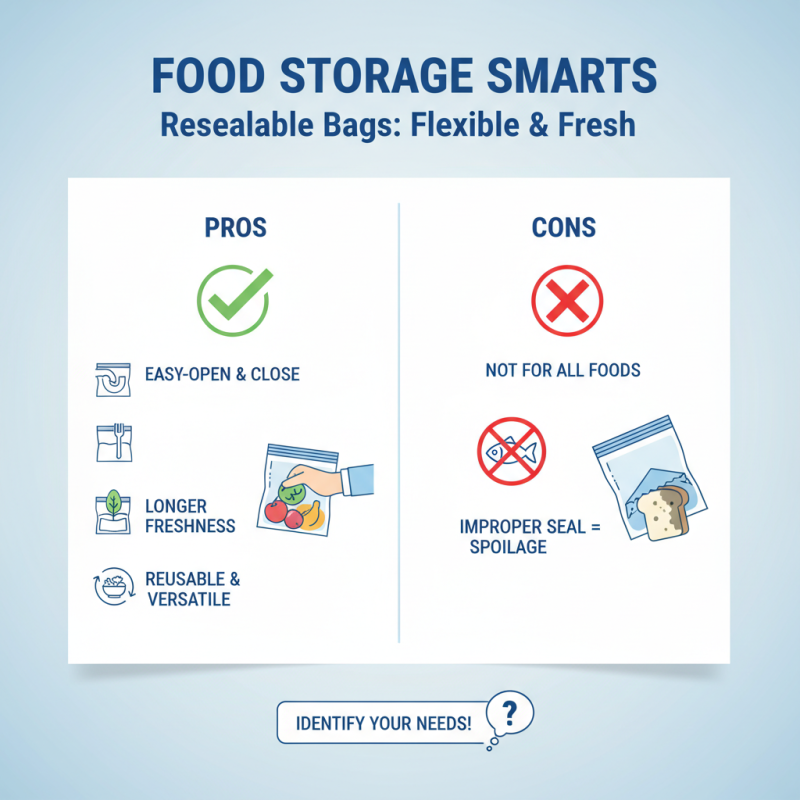
When it comes to food storage, identifying your needs is essential. Resealable bags offer flexibility. They are easy to open and close. They keep food fresh longer. Perfect for snacks or leftovers, these bags can be reused. However, they may not be ideal for all food types. If you don’t seal them properly, air can get in. This could lead to spoilage.

Non-resealable bags have their place too. They are often thinner and lighter. Great for short-term storage, they save space. You might find them better for items like sandwiches or frozen items. But they create more waste. Once opened, you can’t reseal them. This could lead to wasted food and money. Think about which option fits your lifestyle better. An overlooked factor is the environmental impact of your choices. Consider this before making a decision.

Best Practices for Storing Food Safely in Plastic Bags

When it comes to storing food in plastic bags, safety is a top concern. Research shows that approximately 48 million people in the United States get sick from foodborne illnesses each year. To avoid this, always choose bags that are labeled as food-safe. These bags are designed to withstand freezing and microwaving, reducing the risk of chemical leaching into food.

Proper sealing is crucial in food storage. Keeping air out helps prevent spoilage. A study published in the Journal of Food Science found that vacuum-sealed bags can extend the shelf life of foods by 50% or more. It's also wise to label bags with dates. This straightforward action helps track freshness and reduces food waste.

While plastic can be convenient, it's essential to reflect on its environmental impact. Many people forget that single-use bags contribute to pollution. Consider reusing bags when possible to minimize waste. There is a growing movement towards using sustainable alternatives. Ultimately, choosing the right plastic bag involves a balance between convenience and safety while being mindful of our planet.

Food Storage Plastic Bag Types Usage