How to Choose the Right Stand Up Pouches for Your Products?
Choosing the right packaging for your products can be a daunting task. Among different options, Stand Up Pouches have gained popularity. They are versatile, lightweight, and visually appealing. As a business owner, it's essential to understand how they fit your brand.
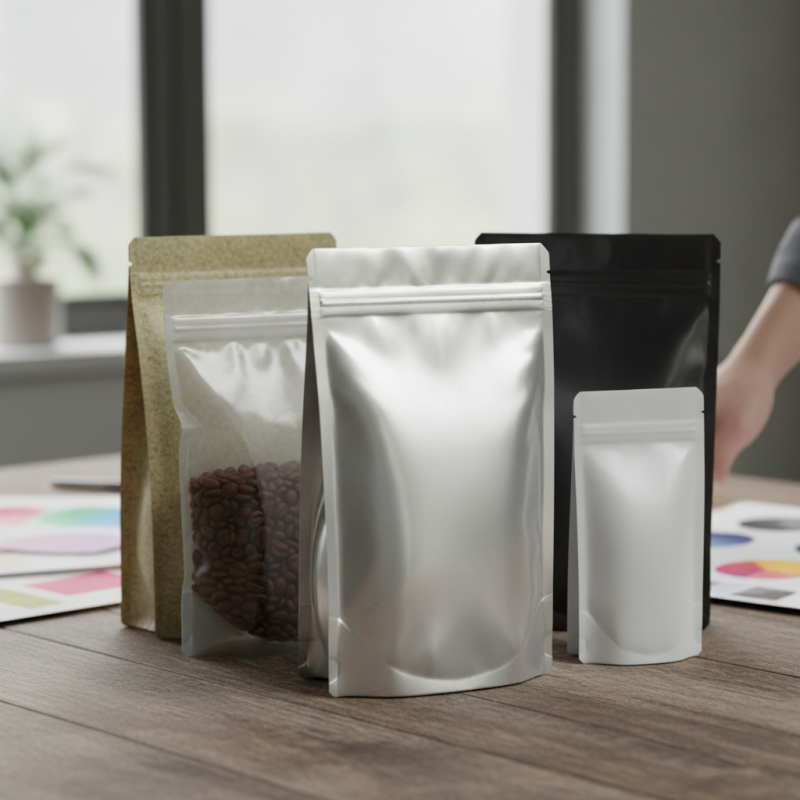
Consider the material of Stand Up Pouches. Options like metallic, plastic, or biodegradable materials exist. Each type has unique benefits. For example, metallic pouches protect products from light and moisture, while biodegradable options appeal to environmentally conscious consumers. It’s crucial to assess your product’s needs carefully.
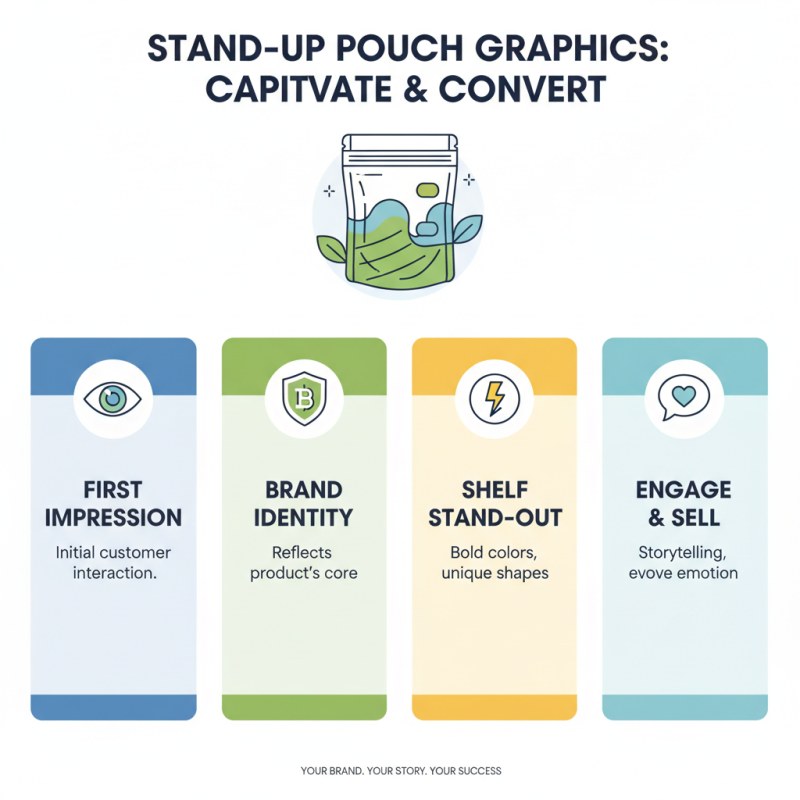
Think about the design as well. The right graphics can attract customers and convey your brand message. Testing various designs may be necessary. Pay attention to the pouch size, sealing methods, and closure types. If your product requires longer shelf life, consider resealable features. Don’t forget that the right Stand Up Pouches can enhance customer experience but may require trial and error in selection. Reflecting on these aspects can lead to better decisions for your business.
Understanding the Basics of Stand Up Pouches and Their Benefits
Stand up pouches have transformed packaging across industries. Their flexibility and practicality appeal to many businesses. A 2022 market report found that the global stand-up pouch market is expected to reach $40 billion by 2027. This growth reflects the rising demand for easy-to-use packaging.
Understanding the benefits of stand up pouches is essential. They save space, stand upright, and have a lower environmental impact compared to rigid containers. In fact, these pouches often use less material, which can reduce waste. A 2021 survey revealed that 70% of consumers prefer packaging that minimizes environmental harm. However, companies must assess material compatibility and shelf life. Choosing the wrong type can lead to product spoilage or dissatisfaction.
Design is another critical aspect. Attractive designs can enhance brand visibility. Yet, it’s easy to overlook this detail in a rush. Many brands underestimate the importance of visual appeal. Inadequate graphics or unclear labels can confuse consumers. The right choice involves balancing functionality, aesthetics, and sustainability. It’s necessary to reflect on these factors carefully to ensure a truly effective packaging solution.
Identifying the Appropriate Size and Volume for Your Products
Choosing the right size and volume for stand-up pouches is crucial for product success. Studies show that 73% of consumers recognize product packaging before making a purchase. Therefore, selecting the correct pouch can impact visibility and consumer interest.
To identify the proper size, consider your product's dimensions and weight. The pouch must accommodate the perishability of the product. A pouch that is too large can lead to product damage and waste. On average, pouches should allow about 10-15% extra space to prevent crushing.
**Tip:** Measure your product's height, width, and depth. This will help narrow down your choices.
Volume plays a significant role in consumer perception. In fact, 65% of purchasers consider package size while shopping. A bag that feels too large for its contents may deter buyers. A small and efficient pouch can also help minimize costs. Finding the balance takes time and experimentation.
**Tip:** Trial different sizes with your target audience. This will provide valuable feedback. Remember, adjustments may be necessary to align with consumer expectations and preferences.
How to Choose the Right Stand Up Pouches for Your Products? - Identifying the Appropriate Size and Volume for Your Products
| Product Type |
Recommended Size (LxW) in inches |
Volume (ml) |
Closure Type |
Material Type |
| Snack Foods |
8 x 5 |
300 |
Zipper |
PET/PE |
| Coffee |
10 x 6 |
500 |
Valve |
Kraft Paper |
| Powdered Supplements |
12 x 8 |
1000 |
Ziplock |
foil |
| Frozen Vegetables |
9 x 5 |
400 |
Ziplock |
LDPE |
| Pet Food |
10 x 7 |
600 |
Zipper |
PET/PE |
Selecting the Right Material for Durability and Preservation
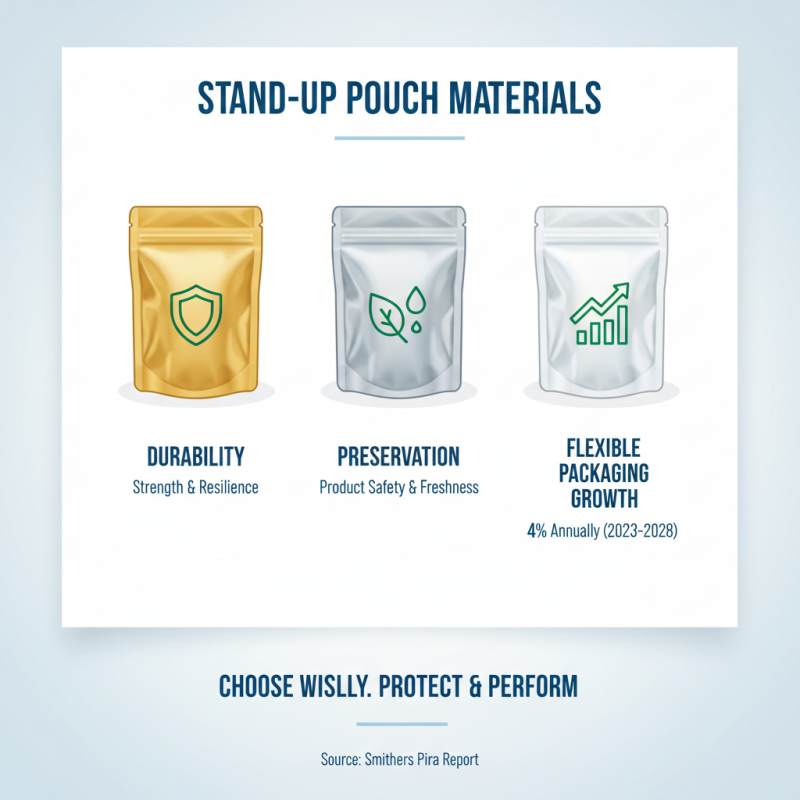
When choosing stand-up pouches, the right material is crucial. Think about durability and preservation. According to a recent report by Smithers Pira, flexible packaging is expected to grow by 4% annually in the next five years. This trend underscores the importance of selecting materials that not only look great but also keep products safe.
Materials like PET, PE, and aluminum offer varying levels of protection. PET is known for its clarity and strength. It's often used for snacks and pet foods. On the other hand, aluminum provides excellent barrier properties. It keeps moisture, light, and air away from contents. A survey by MarketsandMarkets revealed that 38% of consumers prefer packaging that extends shelf life. They want products to stay fresh longer, yet often overlook how material choice affects this.
However, not all materials are eco-friendly. Biodegradable options are emerging but may not always offer the same shelf life or strength. Companies face questions about balancing sustainability with performance. Choosing the right material is more than just a preference; it’s a delicate interplay of durability, preservation, and environmental impact. Each decision carries weight, and reflection on these trade-offs is essential for success.
Choosing a Closure System for Convenience and Freshness
Choosing the right closure system for stand-up pouches is crucial. The closure affects freshness, convenience, and protection. Brands often overlook the importance of a reliable seal. A poor closure can lead to spoilage. Airtight seals are paramount for perishable items. They keep moisture and air out. But convenience is also essential for consumer use.
Zipper seals are popular for easy access. They allow customers to reseal the pouch after opening. This feature helps maintain freshness. However, zippers are not foolproof. Sometimes, they can break or malfunction. Relying solely on zippers might be risky for long-term storage.
Heat seals are another option. They are effective for preserving contents. Yet, once opened, heat-sealed bags lack resealability. Consumers may find this frustrating. It's critical to consider user experience. Balancing security and convenience can be tricky. Testing different closure systems is advisable. Feedback from users can guide improvements.
Stand Up Pouch Closure Systems Comparison
This chart illustrates the popularity of different closure systems for stand up pouches, demonstrating preference percentages that can impact product freshness and convenience. The Ziplock closure system is the most preferred among users, followed by Heat Seal and Press-to-Seal systems.