Why Choose Plastic Bags for Packing Your Products?
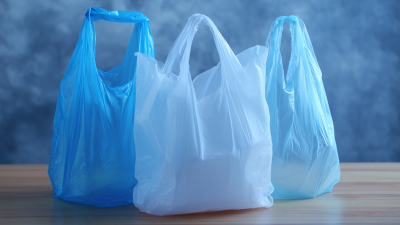
When considering packaging options, many businesses are turning to plastic bags for packing. Plastic bags offer various advantages that can enhance product safety and presentation. They provide durability and flexibility, making them suitable for various items. Furthermore, businesses can customize plastic bags in different shapes and sizes, meeting specific product needs.
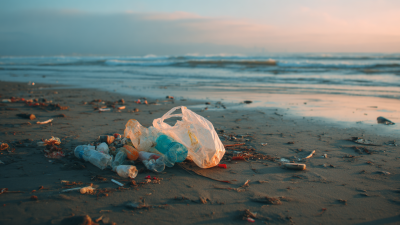
However, it’s important to reflect on the environmental impact of using plastic. While plastic bags are convenient, they contribute to waste if not properly managed. Many consumers are increasingly aware of this issue. They may question a company's commitment to sustainability. Striking a balance between practicality and responsibility is essential.
Incorporating a plastic bag for packing can boost visibility and branding efforts. Eye-catching designs can attract customers. Yet, companies must think about how they can promote recycling or reusability. In doing so, they can ensure that using plastic bags does not undermine their values or customer loyalty.
Advantages of Using Plastic Bags for Product Packaging
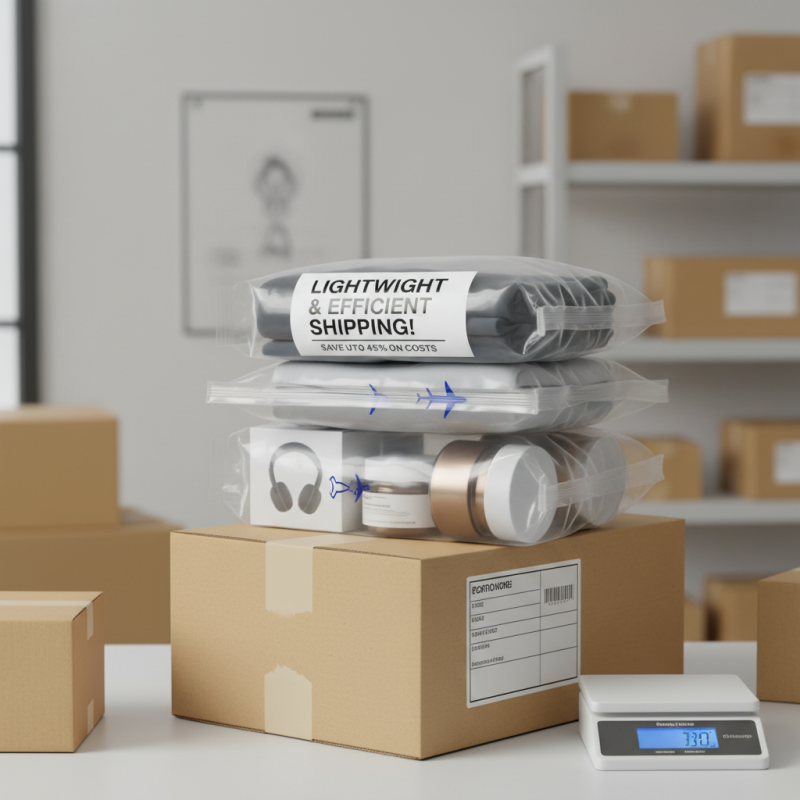
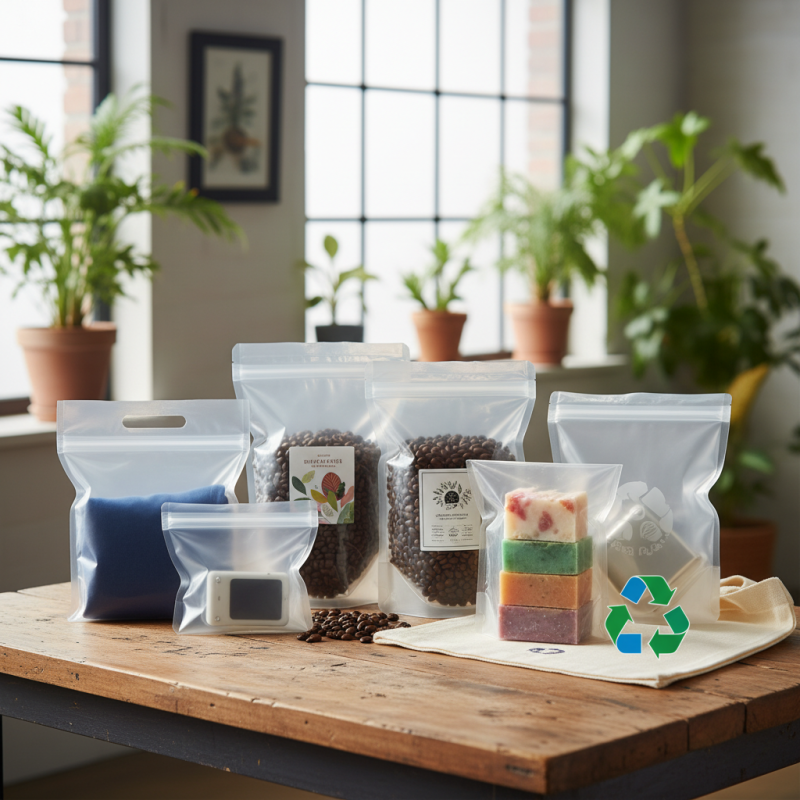
Plastic bags have become a popular choice for product packaging due to their numerous advantages. One significant benefit is their lightweight nature, which can reduce shipping costs. According to a report from the Flexible Packaging Association, companies can save up to 45% in shipping expenses when using lighter materials. This is crucial for e-commerce businesses, as every cent counts in transportation.
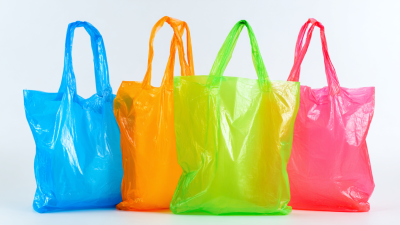
Another compelling reason to opt for plastic bags is their versatility. They can be easily customized in size, color, and design. This allows brands to create visual appeal while effectively showcasing their products. A study by Research and Markets discovered that the global flexible packaging market is expected to reach $300 billion by 2025, projecting a steady shift towards plastic options. However, it’s essential to think about the environmental impact. While many plastic bags are recyclable, the recycling rates are still low. Efforts should be made to improve recycling processes simultaneously as we adopt more plastic packaging.
Lastly, plastic bags provide excellent protection for products. They shield items from moisture, dust, and dirt, maintaining quality during transport. Yet, the perception of plastic often leans negative due to pollution concerns. Hence, brands should explore biodegradable options or encourage responsible disposal practices to counteract this dilemma. Striking a balance between practicality and sustainability remains a challenge in the industry.
Types of Plastic Bags Ideal for Various Products
When it comes to packing products, plastic bags play a significant role. They are versatile and cost-effective, making them a popular choice across multiple industries. According to a recent report from the Plastic Industry Association, around 80% of packaging products utilized in the U.S. are made from flexible materials like plastic bags. This statistic highlights their importance in shipping and handling.
There are various types of plastic bags tailored for specific products. For instance, polyethylene bags are ideal for food items due to their moisture resistance. These bags help maintain freshness. Another option, polypropylene bags, are frequently used for retail purposes. They offer clarity and are often employed for displaying products. However, not all plastic bags are eco-friendly. The environmental impact of single-use plastics calls for a careful approach in choosing materials.
Using plastic also raises concerns. Many consumers are becoming more eco-conscious. Some businesses struggle to balance cost-effectiveness with sustainability. The demand for biodegradable options is growing. Reports indicate that 62% of consumers prefer brands that focus on sustainable practices. This shift presents both an opportunity and a challenge for manufacturers, emphasizing the need for innovation in eco-friendly packaging solutions.
Why Choose Plastic Bags for Packing Your Products?
Different types of plastic bags offer various advantages for product packaging. The following chart illustrates the most commonly used types of plastic bags and their suitability for different products.
Environmental Considerations When Choosing Plastic Bags
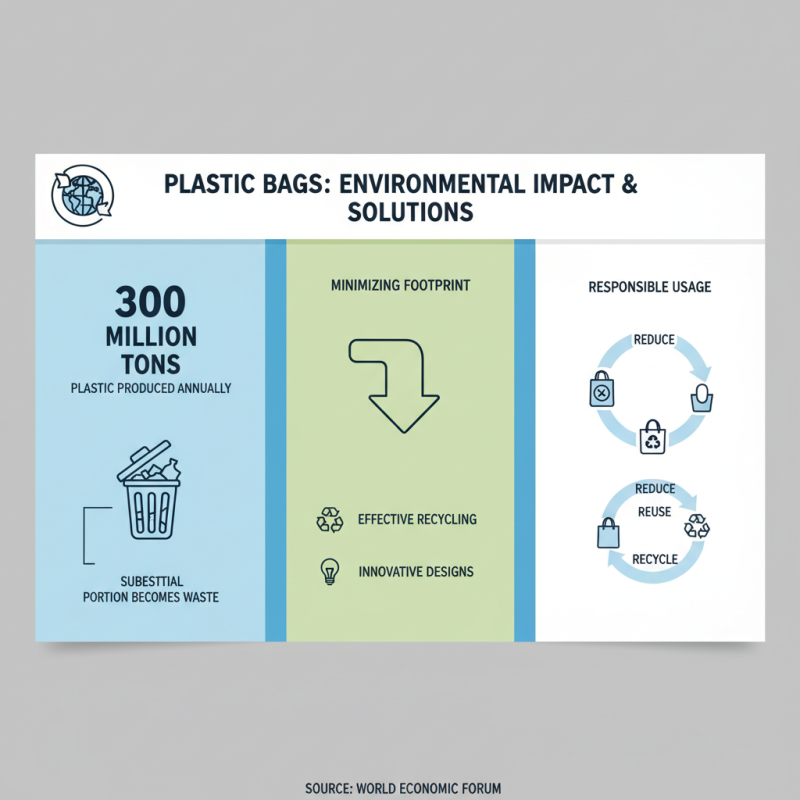
Plastic bags often spark debate about their environmental impact. According to the World Economic Forum, over 300 million tons of plastic are produced annually, with a substantial portion becoming waste. This statistic underscores the urgency of responsible plastic usage. While plastic bags are often criticized for pollution, their environmental footprint can be minimized through effective recycling programs and innovative designs.
Many plastic bags are recyclable, yet only about 9% are actually processed. This highlights a gap in waste management practices. Transitioning to biodegradable options can also lessen harm. Some studies show that biodegradable plastics can break down within a few months in the right conditions. However, they require specific environments to decompose effectively, which are not widely available.
The production of plastic bags typically uses less energy and water than alternatives, such as paper. A life cycle analysis might reveal that reusable bags, while initially sustainable, have a higher carbon footprint over time when not reused sufficiently. This brings into focus the importance of choosing the right packaging—one that balances functionality with environmental sustainability. Companies must reflect on their choices and strive for more sustainable packaging solutions.
Cost-Effectiveness of Plastic Bags in Packaging Solutions
When considering packaging solutions, plastic bags stand out for their affordability. A report by Smithers Pira highlights that plastic bags can reduce packaging costs by up to 30% compared to traditional materials like cardboard. This significant cost advantage is crucial for small businesses looking to optimize their budgets.
Moreover, the versatility of plastic bags is notable. They come in various sizes and styles, fitting diverse product needs. According to market research by Packaging Strategies, over 50% of consumers prefer flexible packaging due to its convenience and lightweight nature. However, it’s essential to acknowledge environmental concerns surrounding plastic use. Many companies are exploring eco-friendly options, reflecting ongoing debates within the industry.
Despite these challenges, plastic bags remain popular in many sectors. Their cost-effectiveness often outweighs the drawbacks. Yet, businesses should consider incorporating recycling practices. Finding the right balance in packaging materials is an ongoing discussion that requires careful consideration. Effective solutions may take time, but the benefits can lead to efficient operations and satisfied customers.
Innovative Uses of Plastic Bags in Retail and Shipping
Plastic bags have become essential in retail and shipping. Their versatility allows businesses to explore innovative packing solutions. According to recent market research, plastic bags account for over 30% of packaging materials used in retail, highlighting their popularity. Grocery stores, for instance, utilize these bags for items ranging from food to household goods. Their lightweight nature reduces shipping costs and enhances convenience for customers.
In shipping, plastic bags offer reliable protection against moisture and dirt. Many businesses use them for packaging clothing and electronics. A study showed that around 25% of consumers prefer plastic bags for online orders due to their zip-lock features. They keep products secure and fresh. However, there are concerns about environmental impact. Some businesses are seeking biodegradable alternatives, yet plastic remains favored for its cost efficiency.
While plastic bags provide functional benefits, their drawbacks cannot be ignored. Studies indicate that around 8 million tons of plastic enter oceans each year, causing environmental degradation. Companies are encouraged to explore recycling programs. Although plastic bags are effective, retaining an open dialogue about sustainability is crucial for the industry’s future.
Why Choose Plastic Bags for Packing Your Products?
| Dimension |
Use Case |
Benefits |
Environmental Impact |
| Retail |
Shopping bags for customers |
Convenient, lightweight, and cost-effective |
Recyclable options available |
| Shipping |
Packaging for fragile items |
Protective cushioning and lightweight |
Minimal waste with proper disposal |
| Food |
Packaging for groceries and takeout |
Hygienic and moisture-resistant |
Bio-based alternatives are emerging |
| Cosmetics |
Packaging for beauty products |
Stylish and customizable designs |
Recyclable options reduce impact |