How to Choose the Best Plastic Bag for Your Needs and Reduce Plastic Waste
In today's world, the impact of plastic waste on our environment has become a pressing concern that resonates globally. Among the various contributors to this pollution, plastic bags are prevalent in our daily lives, often used for convenience but rarely recycled properly. This article aims to guide you through the process of selecting the best plastic bag plastic for your needs while also shedding light on how to minimize plastic waste through thoughtful choices.
Choosing the right plastic bag is not just about functionality; it's also about sustainability. By understanding the different types of plastic bags available and their environmental implications, consumers can make informed decisions that reduce their plastic footprint. Additionally, we will explore practical strategies and alternatives to traditional plastic bags that can lead to a healthier planet. Embracing these changes is a crucial step in the collective effort to preserve our environment for future generations.
Understanding Different Types of Plastic Bags and Their Uses
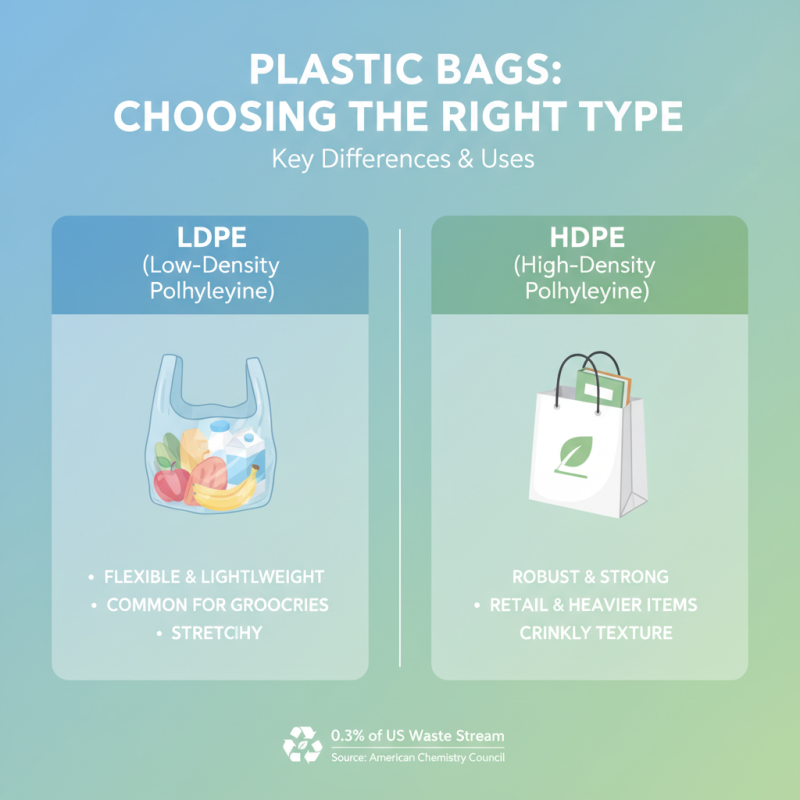
When selecting the best plastic bag for your needs, understanding the different types available is crucial. Plastic bags vary not only in their material but also in their functionality, making it essential to know which type will best suit your purpose. For instance, low-density polyethylene (LDPE) bags are commonly used for groceries and are known for their flexibility and lightweight nature. In contrast, high-density polyethylene (HDPE) bags, often utilized for retail packaging, are more robust and capable of carrying heavier items. According to a report by the American Chemistry Council, plastic bags account for only 0.3% of the total waste stream in the U.S., highlighting their comparatively low environmental impact when managed correctly.
Tips: Always consider reusable options, especially for items like produce, as fabric or mesh bags can significantly reduce plastic waste. If you must use plastic, opt for bags that are made from recycled materials or are designed for multiple uses to extend their lifecycle.
Another key factor is the thickness of the plastic bag. Thicker bags (often over 2.25 mils) can be reused multiple times and are more sustainable than thinner alternatives. According to the Environmental Protection Agency, using thicker, durable bags can help reduce the total volume of plastic waste produced. Ultimately, selecting the right type of plastic bag hinges on understanding your specific needs while being mindful of sustainability practices.
Evaluating Environmental Impact: Biodegradable vs. Traditional Plastic Bags
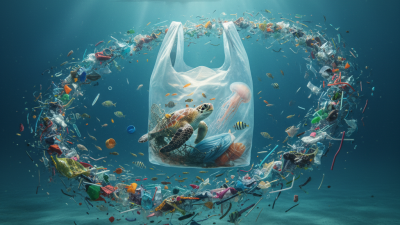
When evaluating the environmental impact of plastic bags, it is essential to understand the differences between biodegradable and traditional plastic bags. Traditional plastic bags, often made from polyethylene, can take hundreds of years to decompose in landfills, contributing significantly to environmental pollution. They can break down into microplastics, which infiltrate ecosystems and disrupt marine life as well as wildlife. The convenience of using these bags comes at a high ecological cost, prompting a shift towards more sustainable alternatives.
Biodegradable plastic bags, on the other hand, are designed to break down more quickly when exposed to environmental conditions. Made from materials such as cornstarch or other natural substances, these bags can decompose in a matter of months, significantly reducing their long-term impact. However, the term "biodegradable" can be misleading; many bags still require specific industrial composting conditions to decompose efficiently. Therefore, understanding the certification and specific conditions under which biodegradable bags break down is crucial in making an informed choice. By opting for biodegradable options, consumers can reduce plastic waste and support a more sustainable approach to packaging that minimizes harm to the environment.
Key Factors to Consider When Selecting a Plastic Bag for Your Needs
When selecting a plastic bag that best suits your needs, it’s essential to consider several key factors to ensure functionality while also minimizing environmental impact. One of the first considerations is the type of material used. With the global plastic consumption projected to reach 600 million tons by 2030, understanding the differences between biodegradable, compostable, and conventional plastic bags is crucial. Research indicates that while biodegradable bags can break down in natural environments, they require specific conditions to decompose effectively, and they still contribute to microplastic pollution if not handled correctly.
Another vital aspect to consider is the bag's intended use. Plastic bags come in various thicknesses and designs tailored for specific applications, such as grocery shopping, carrying heavy items, or storage. The Global Industry Analysts report that the demand for heavy-duty plastic bags has risen significantly due to their durability and reusability. This reflects a growing consumer preference for bags that can be reused multiple times, ultimately reducing the number of single-use plastic bags being discarded. Additionally, size plays a crucial role; ensuring you choose a bag that fits your needs can help reduce excess plastic waste and make your shopping experience more convenient.
Lastly, awareness of local recycling capabilities can guide your selection process. The recycling rate for plastic bags in many regions remains low, averaging around 10%. Therefore, opting for easily recyclable bags or committing to reducing overall plastic usage can contribute significantly to waste reduction efforts. By thoughtfully assessing these factors, you can make informed decisions that not only meet your practical needs but also endorse sustainable practices in your daily life.
Tips for Minimizing Plastic Waste in Daily Life
Plastic waste has become a pressing environmental concern, with studies indicating that approximately 300 million tons of plastic are produced each year, with significant portions ending up in oceans and landfills. To mitigate this issue, adopting practices to minimize plastic use in our daily lives is crucial. Simple changes in habits can lead to substantial reductions in plastic consumption.
One effective tip is to opt for reusable alternatives. Instead of reaching for single-use plastic bags, consider investing in durable cloth or biodegradable bags that can be reused multiple times. According to a report by the World Economic Forum, switching to reusable bags can prevent the production of billions of plastic bags each year. Additionally, when shopping, try to choose products with minimal or recyclable packaging to further cut down on plastic waste.
Another practical approach is to practice mindful consumption. Before making a purchase, ask yourself if the product is necessary and if it contributes to plastic waste. Utilizing bulk bins for dry goods not only cuts down on packaging waste but also allows you to bring your own containers. A survey by the Ellen MacArthur Foundation revealed that over 80% of plastic found in marine environments originates from land-based sources. By making conscious choices about our purchases, we can significantly reduce plastic pollution and its harmful effects on ecosystems.
Alternatives to Plastic Bags: Sustainable Options to Consider
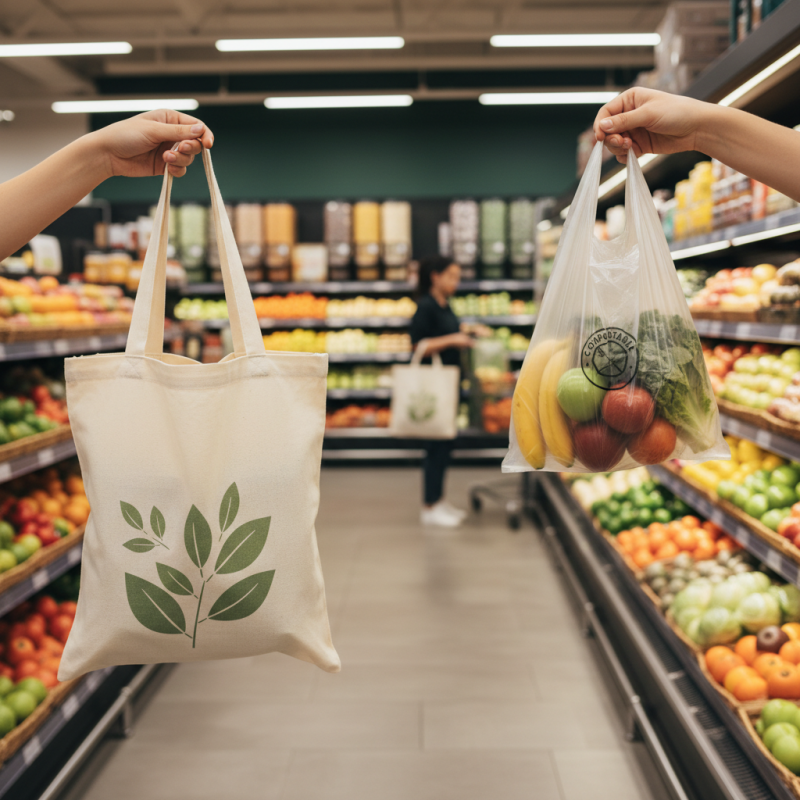
When considering alternatives to plastic bags, it's essential to explore various sustainable options that not only meet your needs but also contribute to reducing environmental impact. One popular alternative is reusable shopping bags made from durable materials such as cotton, jute, or recycled plastics. These bags are designed to withstand multiple uses, significantly cutting down the need for single-use bags. Their versatility allows them to be used for grocery shopping, everyday errands, or even as stylish accessories for outings, making them a practical choice for eco-conscious consumers.
Another viable option is biodegradable bags, which are designed to break down more easily in landfills than traditional plastic. These bags typically come from natural sources, such as cornstarch or other plant materials, and can decompose within a few months under the right conditions. Additionally, compostable bags provide an excellent solution for those who wish to manage organic waste responsibly, as they break down in composting environments, further promoting sustainable living practices. Opting for these eco-friendly alternatives helps mitigate plastic pollution and encourages a shift towards a more sustainable future.