How to Choose the Best Polystyrene Bag for Your Packaging Needs
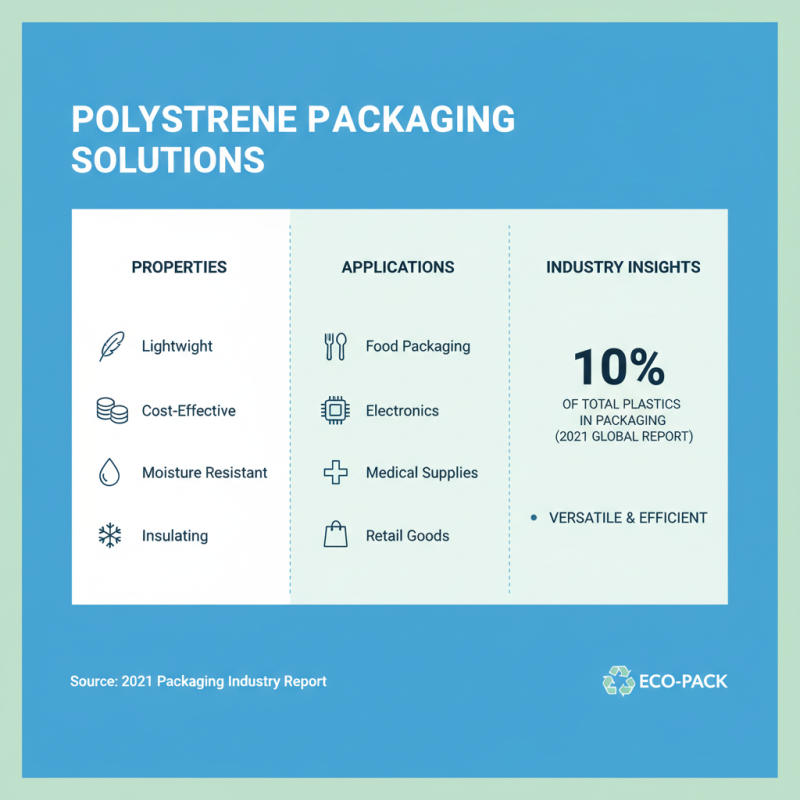
In the rapidly evolving landscape of packaging solutions, the choice of materials plays a pivotal role in ensuring product integrity and customer satisfaction. Polystyrene bags, renowned for their versatility and lightweight properties, have emerged as a popular choice across various industries. According to a recent market research report by Smithers, the global polystyrene packaging market is projected to reach $18.57 billion by 2024, highlighting a growing demand for efficient and sustainable packaging options. The unique characteristics of polystyrene bags, such as their cost-effectiveness and resistance to moisture, make them ideal candidates for a wide range of applications, from food storage to industrial packaging.
Navigating the myriad options available in the realm of polystyrene bags can be overwhelming. Factors such as thickness, size, and sealing methods must be carefully considered to select the most appropriate type for specific packaging needs. The North American Plastic Bag and Film Recycling Program reveals that over 1.1 million tons of polystyrene are used annually, indicating the substantial role this material plays in packaging solutions. By understanding the properties and benefits of polystyrene bags, businesses can make informed decisions that align with their sustainability goals while effectively meeting consumer demands.
Understanding Polystyrene Bags and Their Applications
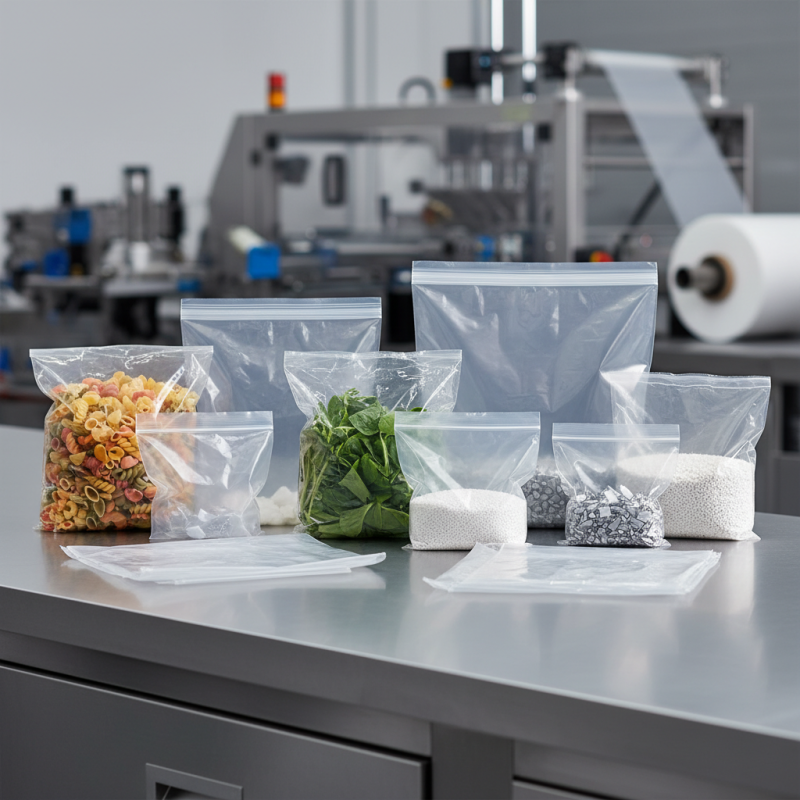
Polystyrene bags are versatile packaging solutions widely utilized across various industries due to their lightweight nature and cost-effectiveness. Understanding their properties and applications can greatly enhance the decision-making process for businesses seeking efficient packaging options. According to the 2021 Packaging Industry Report, polystyrene products accounted for approximately 10% of the total plastics used in packaging, reflecting their significance in the marketplace.
In food service, polystyrene bags are particularly favored for their insulating properties, making them ideal for transporting hot or cold foods. Research from the Packaging Association reveals that these bags can maintain the temperature of their contents for an extended period, which is crucial in the food industry where product quality is paramount. Additionally, polystyrene's ability to create an airtight seal helps in reducing spoilage, thus supporting sustainability efforts by minimizing food waste.
Beyond the food sector, polystyrene bags find applications in retail and logistics due to their durability and clarity, allowing consumers to see the contents easily. The flexibility of polystyrene makes it suitable for custom shaping and sizing, catering to the specific requirements of various products. A study conducted by the Flexible Packaging Association indicated that flexible packaging, including polystyrene bags, is projected to grow by 4.2% annually, highlighting the increasing reliance on these materials for efficient packaging solutions.
Key Factors to Consider When Choosing Polystyrene Bags
When selecting the best polystyrene bag for your packaging needs, several key factors should be considered to ensure you make the right choice. First and foremost, consider the thickness of the polystyrene material. Thicker bags provide better protection and durability, making them suitable for heavier items or products that require extra cushioning. On the other hand, thinner bags may be adequate for lighter products and can be more cost-effective for businesses aiming to reduce packaging expenses.
Another important factor is the insulation properties of the polystyrene bag. If you are packaging temperature-sensitive goods, look for bags specifically designed for thermal insulation. These bags help maintain the temperature of food or pharmaceuticals, ensuring they arrive in optimal condition. Additionally, evaluate the size and sealing options of the bags to ensure they meet your specific needs. Proper sealing prevents leaks and maintains product integrity during transit.
Tips: Always request samples from suppliers to test the quality and compatibility of the bags with your products. Moreover, consider the environmental impact of your packaging choices; opt for recyclable polystyrene bags when possible to promote sustainability. Lastly, take note of any industry standards or regulations that may affect your packaging decisions, as compliance is crucial for smooth business operations.
Comparing Different Types of Polystyrene Bags Available
When selecting polystyrene bags for packaging, it is vital to understand the different types available and their respective advantages. Polystyrene bags are widely praised for their lightweight and insulating properties, making them suitable for a range of applications, from food packaging to retail uses. According to a 2021 report by Smithers Pira, the global demand for polystyrene packaging is projected to reach approximately 25 million metric tons by 2026. This significant growth underscores the importance of making informed choices based on the specific needs of your business.
There are primarily two types of polystyrene bags:
high-density polyethylene (HDPE) and
low-density polyethylene (LDPE).
HDPE bags are known for their strength and durability, providing excellent puncture resistance, which is essential for heavy or sharp objects. Conversely, LDPE bags offer greater flexibility and stretch, making them suitable for packaging delicate items. A comparative analysis from
Plastic Research Journal indicates that while HDPE bags account for about 60% of the market due to their robustness, LDPE's market share is steadily increasing as companies recognize the need for versatile solutions.
Therefore, evaluating the specific requirements of your products—such as weight, fragility, and environmental impact—will guide you in selecting the most suitable polystyrene bag type for your packaging needs.
Evaluating Environmental Impact and Sustainability Options
When selecting the best polystyrene bag for packaging, it is crucial to assess the environmental impact and sustainability of your choices. Polystyrene, while an effective material for insulation and protection, often faces scrutiny for its non-biodegradable nature and contribution to environmental pollution. To make a more sustainable choice, consider alternatives like biodegradable or recycled materials that can offer similar protective benefits while reducing the ecological footprint.
In addition to material selection, it is important to evaluate the entire lifecycle of the packaging solution. This involves examining how the polystyrene bags are produced, their durability, and the end-of-life disposal options. Opting for suppliers that prioritize sustainable manufacturing practices, such as reduced energy consumption and waste management, can significantly lessen environmental impact. Moreover, encouraging recycling habits among users or providing informative resources on the proper disposal methods can promote a more circular economy and minimize harmful effects on ecosystems.
Best Practices for Storing and Using Polystyrene Bags
When it comes to storing and using polystyrene bags, best practices play a crucial role in ensuring their effectiveness and longevity. First and foremost, it is important to store these bags in a cool, dry environment away from direct sunlight. Exposure to heat and light can cause the material to degrade, leading to loss of structural integrity. Organizing the bags properly, such as stacking them neatly or using bins, not only saves space but also prevents them from becoming tangled or damaged.
When utilizing polystyrene bags for packaging, it is essential to consider the type of contents being stored. For food items, ensuring that the bags are food-safe and comply with relevant guidelines is paramount. Additionally, it's important to avoid overloading the bags, as excessive weight can result in tears or leaks. Regularly inspecting the bags for signs of wear and replacing any that show deterioration will help maintain the quality of your packaging solutions. By adhering to these best practices, you can maximize the effectiveness of polystyrene bags in your packaging operations.
How to Choose the Best Polystyrene Bag for Your Packaging Needs - Best Practices for Storing and Using Polystyrene Bags
| Feature |
Type A |
Type B |
Type C |
| Thickness |
0.5 mm |
0.7 mm |
0.9 mm |
| Temperature Resistance |
-10 to 60°C |
-20 to 70°C |
-30 to 80°C |
| Usage |
Food Packaging |
Industrial Use |
Retail Packaging |
| Moisture Resistance |
Low |
Medium |
High |
| Biodegradable |
No |
No |
Yes |