What are the Benefits of Using Polystyrene Bags?
Polystyrene bags are widely used in various industries. Their lightweight design makes them a popular choice for packaging. Many businesses favor Polystyrene bags due to their cost-effectiveness. They are durable and resistant to moisture, which helps protect products inside.
These bags can carry various items, from food to electronics. Their insulating properties maintain the temperature of perishable goods. However, there is ongoing debate about their environmental impact. While convenient, Polystyrene bags are often seen as non-biodegradable.
Reflecting on their use, one must consider the balance between convenience and sustainability. Understanding the benefits of Polystyrene bags requires a broader discussion on responsible usage and waste management.
Benefits of Polystyrene Bags in Packaging Industry
Polystyrene bags play a vital role in the packaging industry. They are lightweight and durable, making them ideal for transporting products. Their ability to retain shape under stress is impressive. Many businesses utilize these bags for food packaging, as they provide excellent insulation. They keep food items fresh and secure during transit.
However, the environmental impact of polystyrene bags cannot be ignored. They are not biodegradable and can contribute to pollution. Many consumers are increasingly concerned about this issue. Some companies are now seeking alternatives that are more eco-friendly. Despite this, polystyrene bags still have advantages, especially in terms of cost-effectiveness. They can be produced quickly and shipped inexpensively.
The use of polystyrene bags often raises questions about sustainability. Some industries still rely on them due to their convenience. Yet, these choices might not align with the growing push for greener options. As the industry evolves, a balance must be struck between practicality and environmental responsibility.
What are the Benefits of Using Polystyrene Bags? - Benefits of Polystyrene Bags in Packaging Industry
| Benefit |
Description |
Environmental Impact |
Cost Efficiency |
| Lightweight |
Polystyrene bags are very lightweight, making them easy to transport and handle. |
Low energy consumption during transportation due to reduced weight. |
Reduces shipping costs due to lower weight compared to other materials. |
| Durability |
These bags resist tearing, stretching, and puncturing, making them reliable for shipping. |
Minimizes waste generated from damaged packaging. |
Long-lasting material reduces the need for multiple replacements. |
| Moisture Resistance |
Polystyrene bags are resistant to moisture, protecting goods inside. |
Contributes to reduced spoilage and waste in food packaging. |
Saves costs related to product loss from moisture damage. |
| Versatility |
Can be used for a variety of products, from food to industrial items. |
Encourages efficient use of materials across different industries. |
Cost-effective choice for diverse packaging needs. |
| Customizability |
Can be tailored in size, shape, and design to meet specific requirements. |
Facilitates branding and marketing efforts. |
Enhances brand recognition without significant extra costs. |
Cost-Effectiveness of Polystyrene Bags Compared to Other Materials
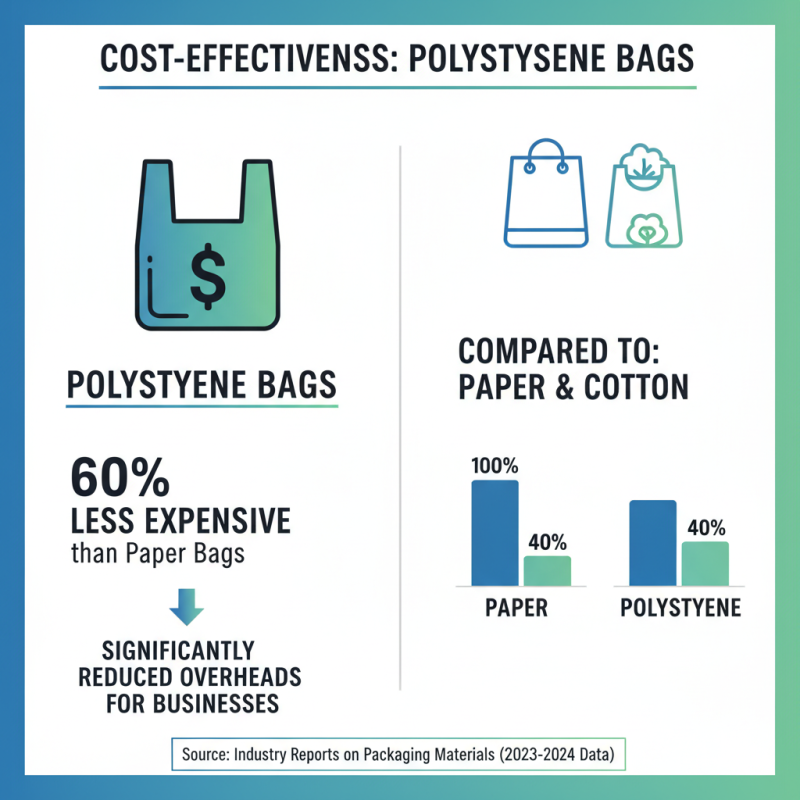
Polystyrene bags are gaining popularity due to their cost-effectiveness. They are often cheaper than alternatives like paper or cotton. Data from industry reports suggest that polystyrene bags cost approximately 60% less than comparable paper bags of the same size. This affordability allows businesses to reduce overheads significantly.
Moreover, polystyrene bags have a lightweight nature. This characteristic lowers shipping costs, making them a preferred choice for retailers. They weigh less, which means lower transportation emissions. According to a recent study, using polystyrene instead of heavier materials can decrease shipping emissions by up to 20%.
However, the widespread use of polystyrene raises environmental concerns. Many consumers are increasingly aware of plastic pollution. While these bags are economical, businesses must also consider sustainability. The challenge lies in balancing cost and eco-friendliness. Some companies are exploring alternatives but face higher material costs. This dilemma illustrates the need for ongoing innovation in sustainable materials.
Thermal Insulation Properties of Polystyrene Bags for Food Preservation
Polystyrene bags have gained popularity for their excellent thermal insulation properties. These bags can maintain the temperature of perishable foods effectively. Studies show that polystyrene can reduce heat transfer by up to 70%. This quality is crucial for food preservation during transport.
When food is placed in polystyrene bags, temperature fluctuations are minimized. This is vital for items like dairy and meats, which are sensitive to temperature changes. A report from the Food Safety Authority highlighted that maintaining the right temperature can reduce spoilage by 40%. Users often overlook the importance of insulation for food safety. Cold spots in food storage lead to bacterial growth, which can be dangerous.
Yet, there are challenges in relying solely on thermal insulation. The environmental impact of polystyrene is a growing concern. Many users express discomfort about its biodegradability. While effective for food preservation, the long-term consequences of increased plastic waste can’t be ignored. This creates a need for reflection on sustainable alternatives while balancing the benefits of polystyrene bags.
Benefits of Using Polystyrene Bags for Food Preservation
Environmental Impact of Polystyrene Bags and Recycling Potential
Polystyrene bags are widely used for various purposes. However, their environmental impact is significant. According to the Environmental Protection Agency (EPA), polystyrene is not biodegradable. It can take hundreds of years to break down in landfills. As a result, these bags contribute to long-term pollution and harm wildlife. Birds and marine animals often ingest plastic fragments, mistaking them for food.
Recycling polystyrene presents potential solutions. In recent years, recycling rates for polystyrene have improved. The National Polystyrene Recycling Coalition reports that about 90% of polystyrene can be recycled. Yet, many consumers are unaware of this capability. Only 10% of polystyrene is recycled in practice, indicating a gap between potential and reality. Improving public awareness may enhance recycling efforts but requires coordinated initiatives.
Challenges remain in reducing the environmental footprint of polystyrene bags. The cost of recycling can deter businesses from participating. Additionally, contamination in recycling streams complicates the process. Without proper recycling systems in place, polystyrene continues to pose a threat. We must reflect on our consumption habits and the way we handle plastic waste.
Durability and Versatility of Polystyrene Bags Across Various Industries
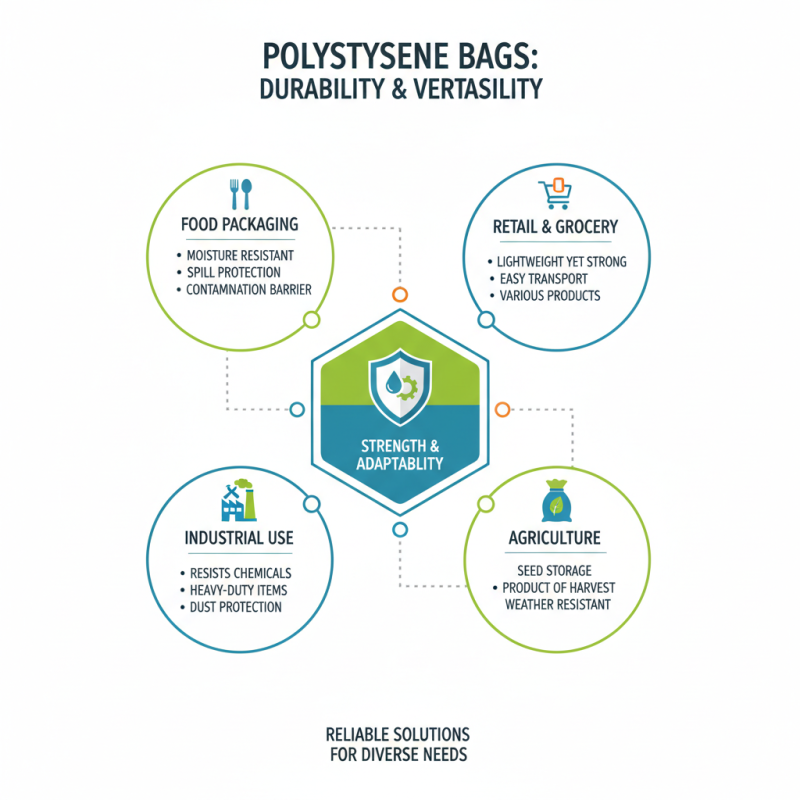
Polystyrene bags have gained popularity across many industries due to their durability and versatility. These bags are lightweight yet strong, making them ideal for carrying various products. They resist moisture, which is essential for food packaging. Restaurants and grocery stores benefit significantly from this feature. The bags protect items from spills and contamination during transport.
In retail, polystyrene bags are used for a wide range of items. Clothing stores often rely on them for ease of use and cost-effectiveness. However, the environmental impact of these bags raises questions. Many consumers are now more conscious of their choices. While polystyrene bags offer practicality, their disposal remains a challenge. Recycling options are limited, leading to a debate about their sustainability.
Industries also explore the aesthetic aspect of polystyrene bags. They can be printed with vibrant designs, attracting customers. Yet, this can be seen as a superficial solution. Companies must consider both functionality and environmental responsibility. A balance is needed to address public concerns while enjoying the benefits these bags provide.