Leave Your Message
Global buyers entering the 2026 packaging market need more than attractive prices. They need dependable Plastic Wrapper suppliers, verified materials, and production evidence. The OECD’s Global Plastics Outlook reported 353 million tonnes of plastic waste in 2019. Packaging represented about 40% of that volume. This figure shows the scale of the challenge.
The Flexible Packaging Association reports that flexible packaging remains valued for its low material use, light shipping weight, and strong product protection. However, performance depends on film structure, sealing quality, printing control, and barrier requirements. A wrapper that looks excellent may still fail during humid transport. Small details matter.
Sander Defruyt, who leads the plastics initiative at the Ellen MacArthur Foundation, has stated, “We cannot recycle our way out of the plastics problem.” His warning is important for buyers comparing suppliers. Recyclability claims should be supported by design information, local collection realities, and documented testing. Marketing language alone is not enough.
This guide reviews leading Plastic Wrapper suppliers for international purchasing teams. It considers manufacturing capacity, material options, quality systems, customization, export experience, and responsible production practices. Useful evidence includes ISO certifications, third-party audits, batch records, and clear technical data sheets. Buyers should also confirm applicable food-contact or product-safety requirements in each destination market. No supplier is perfect. Some published data remains difficult to compare. That limitation deserves attention. Reliable sourcing requires questions, samples, factory communication, and realistic performance testing before large orders.
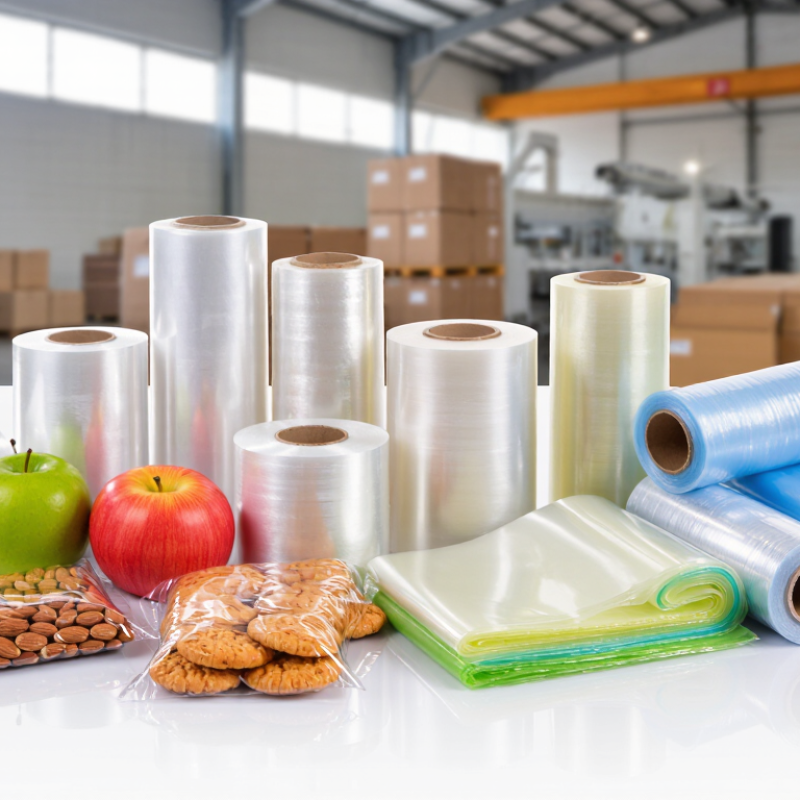
Plastic wrappers are flexible packaging materials made from polymer films. They may appear as clear sheets, sealed pouches, shrink films, or stretch wraps around cartons and pallets. Their main jobs are practical: protecting products from moisture, dust, scuffing, and handling damage. Some wrappers also provide oxygen or light barriers for sensitive goods. The material, thickness, sealing method, and surface finish should match the product, not just the target price.
Global buyers use plastic wrappers across food, household, medical, retail, and industrial supply chains. A food buyer may require stable heat sealing and documented food-contact compliance. An industrial buyer may value puncture resistance more than appearance. During supplier evaluations, I check film thickness, roll width, seal strength, odor, print accuracy, and batch consistency. Samples should be tested on the buyer’s actual machines. Laboratory results alone can miss feeding problems.
Small details matter.
A wrapper can fail at a weak corner.
Buyers should also request production samples, inspection records, material declarations, and clear shipping terms. Recycled content may support sustainability goals, but it can change clarity, strength, or sealing behavior. Compostable films are not suitable for every process or disposal system. There is no perfect specification. I have seen attractive samples perform poorly after temperature changes and long storage. A reliable supplier explains these limits instead of promising universal performance.
| Wrapper Type | Typical Polymer Structure | Common Thickness | Main Global-Buyer Applications | Key Performance Properties | Typical Printing and Converting Options | Important Buyer Checks |
|---|---|---|---|---|---|---|
| Stretch Film | LLDPE, often with multiple coextruded layers | Approximately 12–35 micrometres | Pallet stabilization, transport protection, warehouse wrapping and load containment | Elasticity, puncture resistance, cling, load retention and transparency | Clear, colored, pre-stretched, machine-grade, hand-grade and printed versions | Film yield, elongation, holding force, roll length, core dimensions and load-testing results |
| Shrink Film | PE for heavier packs; PVC or polyolefin for many retail packs | Approximately 30–100 micrometres | Multipacks, beverage packaging, cartons, retail bundles and product tamper protection | Controlled shrink, seal strength, puncture resistance and display clarity | Center-folded film, single-wound rolls, perforations and flexographic printing | Shrink temperature, shrink percentage, sealing equipment compatibility and regulatory suitability |
| BOPP Wrapping Film | Biaxially oriented polypropylene, sometimes coated or laminated | Approximately 20–40 micrometres | Snack packs, bakery products, confectionery, stationery and consumer-goods overwrap | High clarity, gloss, stiffness, moisture resistance and good printability | Reverse gravure or flexographic printing, matte coating, metallization and heat-sealable grades | Coefficient of friction, seal initiation temperature, oxygen and moisture barrier, and ink adhesion |
| CPP Wrapping Film | Cast polypropylene, including cast heat-sealable grades | Approximately 20–60 micrometres | Food pouches, confectionery, textile packaging and laminated flexible packaging | Heat-sealing performance, transparency, flexibility and moisture resistance | Plain, printed, metallized or laminated with BOPP, PET or polyamide | Seal strength, hot-tack performance, gauge uniformity and compatibility with filling lines |
| LDPE or LLDPE Film | Low-density polyethylene or linear low-density polyethylene | Approximately 25–150 micrometres | Produce bags, bread bags, inner liners, garment bags and general-purpose overwrap | Flexibility, moisture resistance, impact strength and heat-sealing capability | Plain or printed film, gusseted bags, perforated rolls and wicketed bags | Food-contact compliance, seal integrity, odor, recycled content and film gauge tolerance |
| Cling Film | PVC or polyethylene-based cling film | Approximately 8–15 micrometres | Fresh-food covering, foodservice containers, household storage and catering operations | Cling, stretchability, transparency and short-term moisture protection | Rolls with cutter boxes, dispenser rolls and commercial-width rolls | Food-contact rules in the destination market, plasticizer status, cling consistency and tear behavior |
| Vacuum Pouch Film | Commonly PA/PE or PE-based multilayer structures | Approximately 70–180 micrometres total thickness | Meat, seafood, cheese, prepared foods and industrial components requiring reduced air exposure | High puncture resistance, vacuum retention, seal strength and oxygen barrier | Clear pouches, printed pouches, embossed channel bags and thermoforming webs | Oxygen transmission rate, water-vapor transmission rate, seal contamination tolerance and cold-chain performance |
| Sachet and Pouch Laminate | PET/PE, BOPP/CPP, PET/metalized film/PE or other multilayer structures | Approximately 40–120 micrometres total thickness | Sauces, powders, personal-care products, detergents and single-use consumer products | Barrier protection, attractive graphics, sealability and product-dose control | Three-side seals, four-side seals, spouts, zippers, tear notches and laser scoring | Barrier target, seal window, laminate bond strength, migration testing and recycling requirements |
| Metallized Plastic Film | Metallized PET, BOPP or other plastic substrate laminated to a sealant film | Approximately 30–100 micrometres total laminate thickness | Coffee, snacks, dry foods, pharmaceutical products and light-sensitive goods | Improved light, oxygen and moisture protection compared with many uncoated films | Metalized surface, reverse printing, laminating and high-barrier pouch conversion | Metal adhesion, pinhole level, barrier after flexing, sealant selection and end-of-life limitations |
| Recycled-Content Plastic Wrapper | Recycled PE or PP blended with virgin polymer, subject to application requirements | Commonly aligned with the equivalent virgin-film specification | Secondary packaging, transport wrapping, non-food contact packaging and selected food-contact uses where permitted | Reduced reliance on virgin resin, with performance depending on feedstock quality and formulation | Plain, colored or printed film; may be designed for mono-material recycling systems | Verified recycled content, chain-of-custody records, contaminant controls, odor and destination-market regulations |